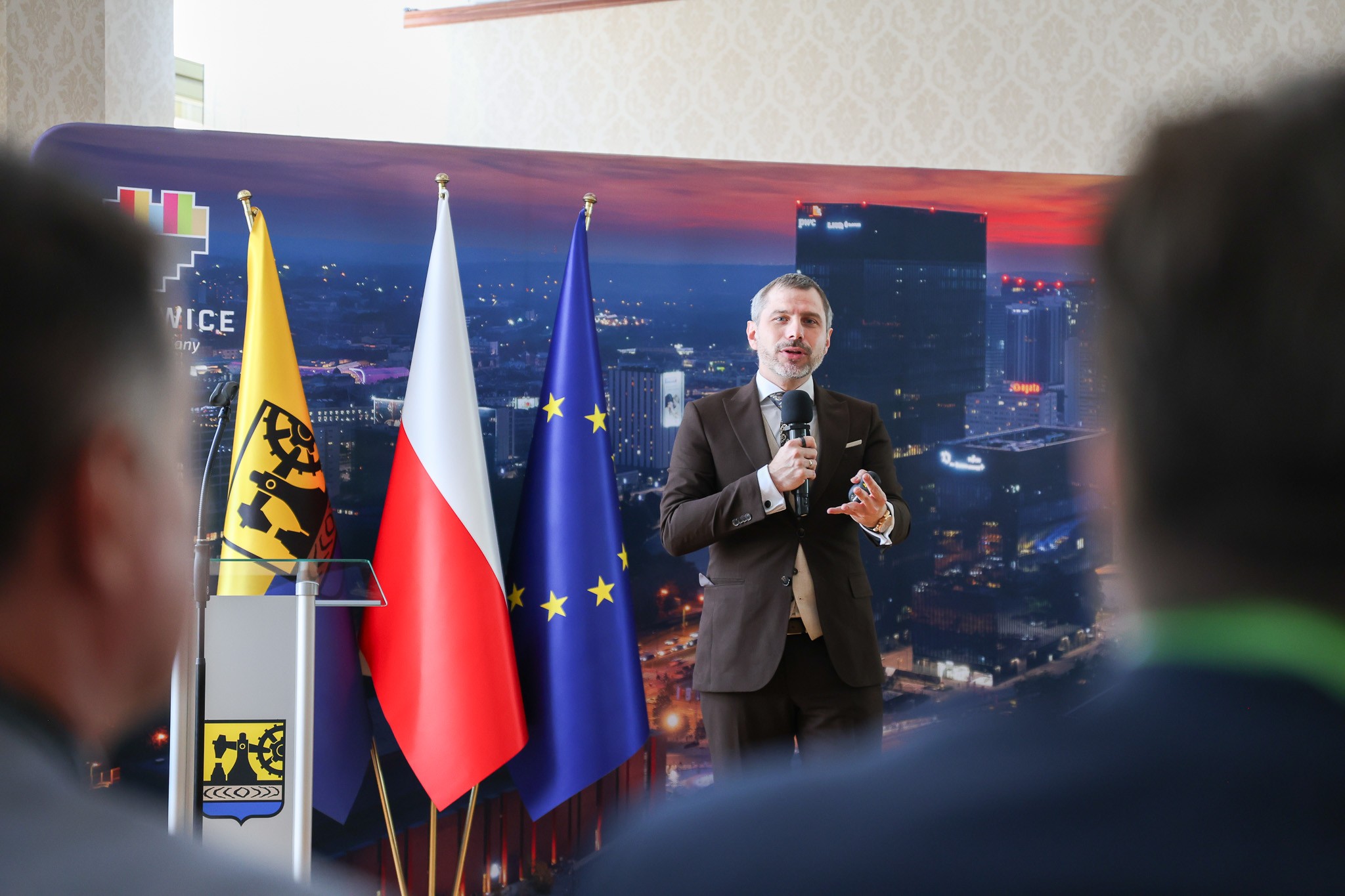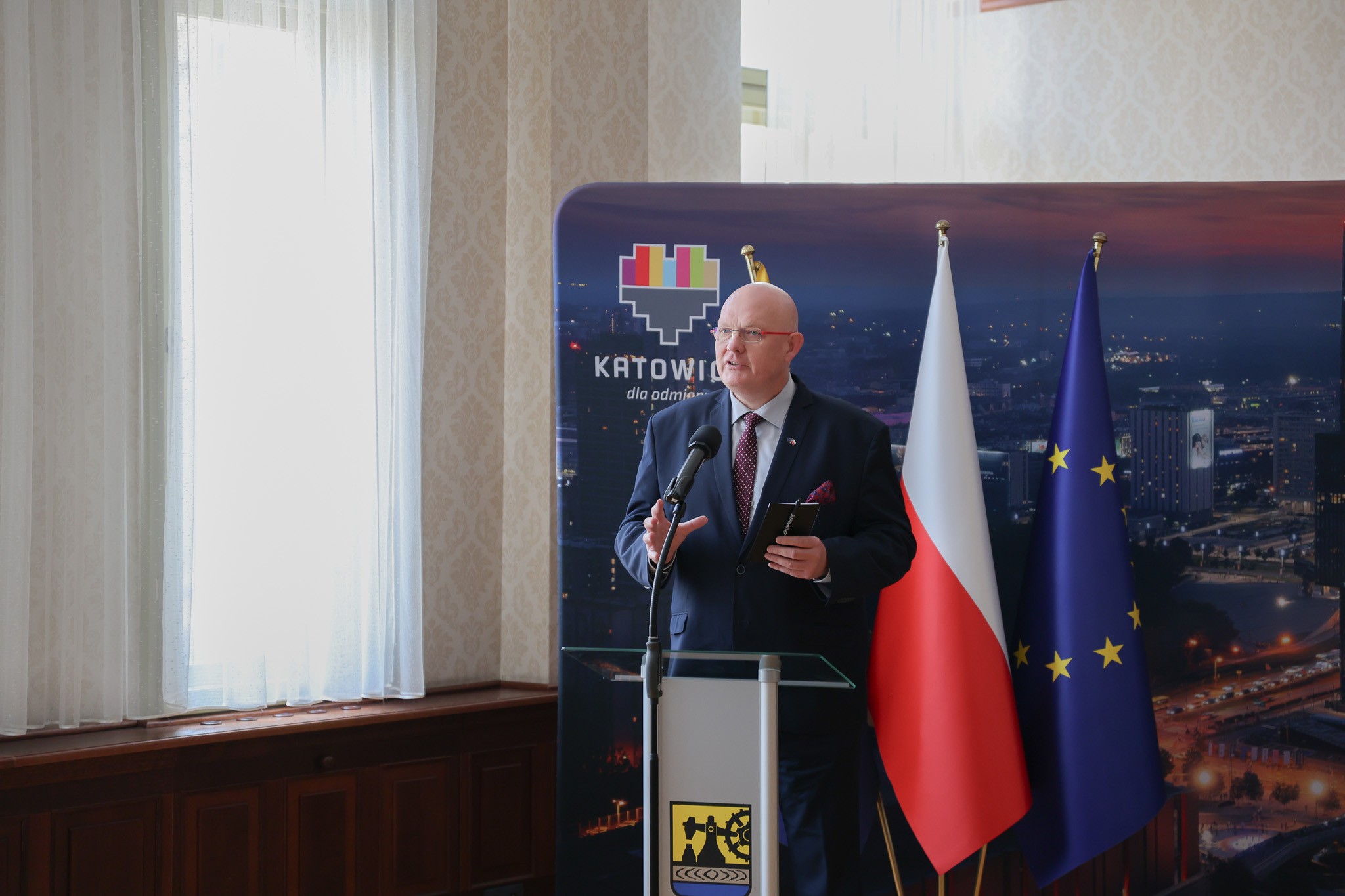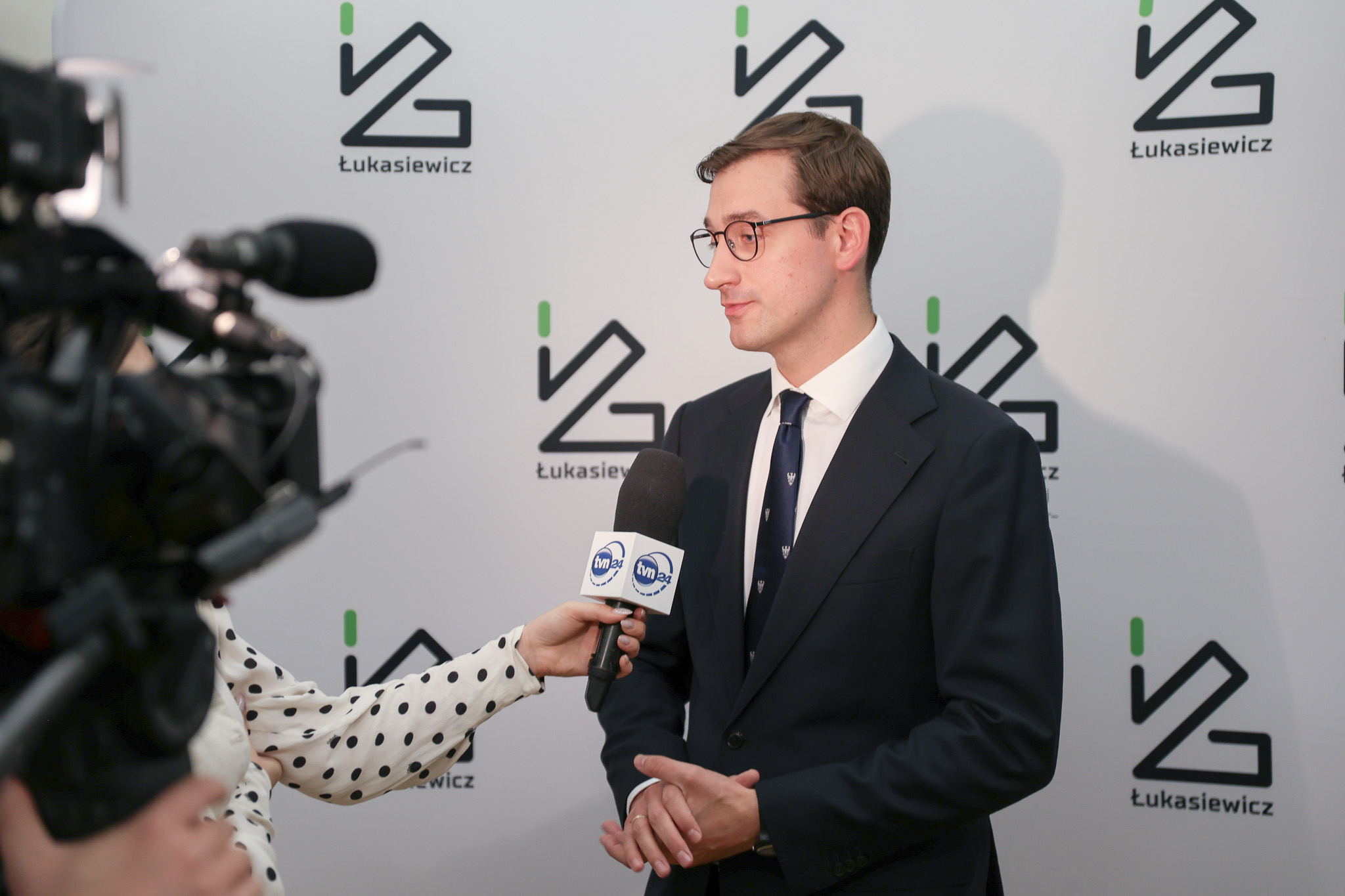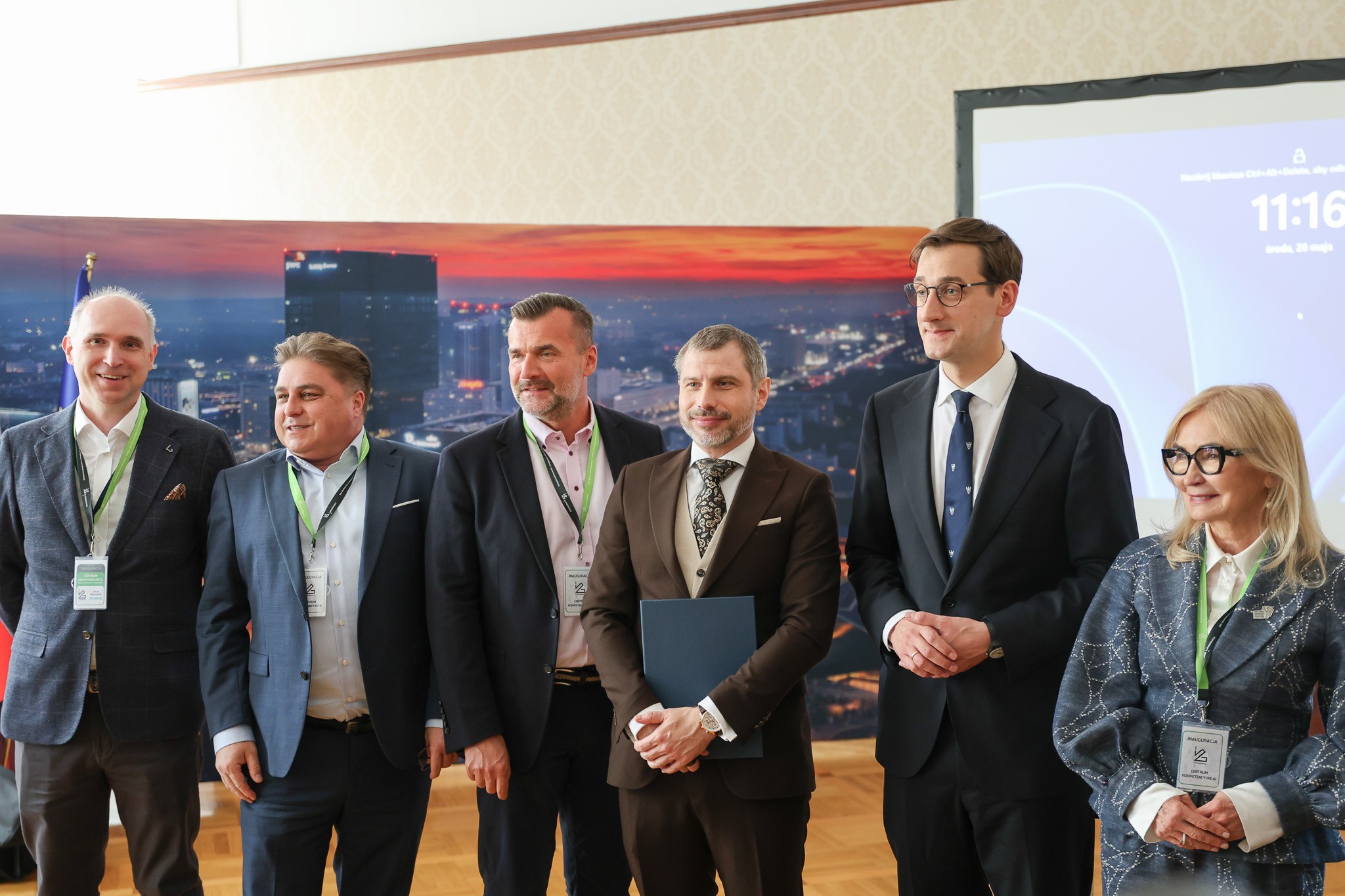
It is designed to respond quickly and effectively to the needs of business and public administration in the fields of artificial intelligence and cybersecurity. The Competence Centre for Technological Solutions in Artificial Intelligence has begun operating at the Katowice-based Łukasiewicz – AI, an institute belonging to the Łukasiewicz Research Network. The official opening took place on Wednesday, 20 May 2026, at the Goldstein Villa in Katowice.
The AI Competence Centre operates as a central point of contact and a kind of “digital gateway” to the entire Łukasiewicz Research Network. This enables the organisation to effectively connect science with business, public administration and even healthcare, while carrying out advanced projects in the fields of artificial intelligence and cybersecurity.
“This year, we have already launched cooperation with many market partners: from commercial assignments to joint partnership projects aimed at implementing modern products in licensing and subscription models,” said Professor Jan Kozak, Director of the Łukasiewicz Research Network – Institute of Artificial Intelligence and Cybersecurity, abbreviated as Łukasiewicz – AI.
The new AI Competence Centre is intended to support dialogue between the science sector and economic practice, taking into account both local and central government programmes. In this way, it is expected to strengthen the potential of Katowice and Silesia as a hub for modern and future-oriented technologies.
The social dimension of Łukasiewicz technologies
As Dr Hubert Cichocki, President of Łukasiewicz Research Network, emphasised, the AI Competence Centre is intended to respond to the specific needs of business, industry, public administration and society.
“The Centre has been designed as Łukasiewicz’s main competence hub, bringing artificial intelligence into projects ranging from medicine to heavy industry,” said President Cichocki. “We focus on pragmatism and usefulness. This place is meant to be the shortest path and the most effective set of tools for businesses seeking technological support from us,” added the head of Łukasiewicz.
Łukasiewicz – AI projects
The Łukasiewicz Research Network – Institute of Artificial Intelligence and Cybersecurity, or Łukasiewicz – AI, was established in July 2025 as a result of dynamic structural changes within the Łukasiewicz Research Network. Its activities are linked to the implementation of the organisation’s strategic objectives.
The roots of Łukasiewicz – AI go back to a Silesian institute with a long-standing tradition — the Institute of Innovative Technologies EMAG in Katowice, which has operated as Łukasiewicz – EMAG since 2019.
The Institute’s research centres use innovative technologies based on artificial intelligence, implementing them in various areas: from medicine to telecommunications.
For example, the EdgePL project is creating a test network of 32 local data centres, or edge nodes, in Poland. These will ensure faster and more stable operation of e-services and public administration systems by processing information directly and close to the user.
The Virtual Medical Assistant, being implemented at the Burn Treatment Centre in Siemianowice Śląskie, is an advanced AI system that relieves doctors of administrative tasks by automatically transcribing and analysing their conversations with patients in real time, saving both time and money.
Automatic PJM Translator is the name of a project in which the Institute is working on a digital avatar. Thanks to artificial intelligence technology, the avatar is intended to automatically translate conversations from Polish into Polish Sign Language, or PJM, and vice versa, offering real educational and communication support for Deaf people.
cALL-POL, in turn, is a groundbreaking medical programme which, thanks to advanced genetic testing, provides all children with acute leukaemia in Poland with free access to unique, personalised targeted therapies at a world-class level.
HIS – Hospital Information System is a modular Open Source system designed to support small hospitals and outpatient clinics.