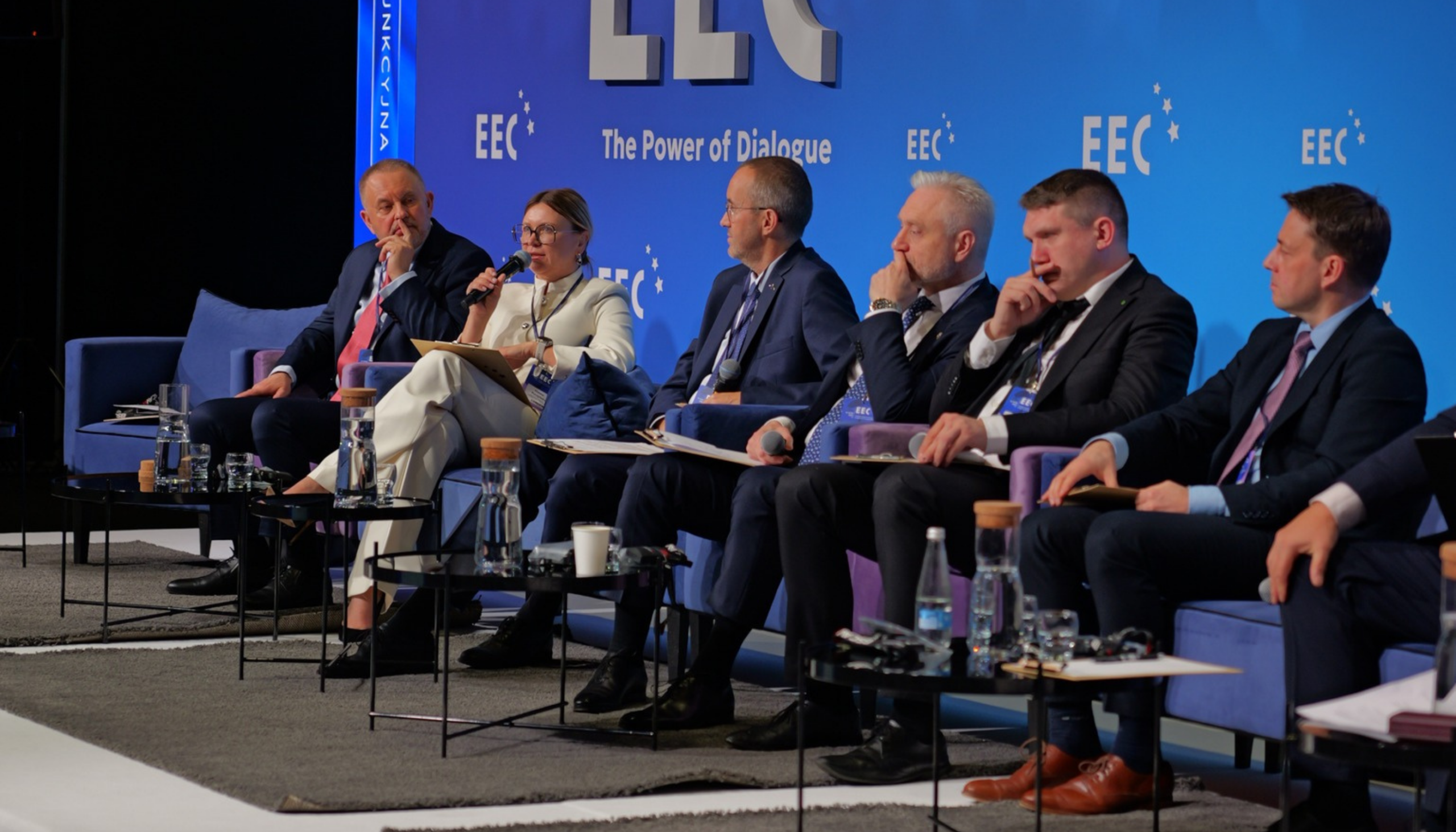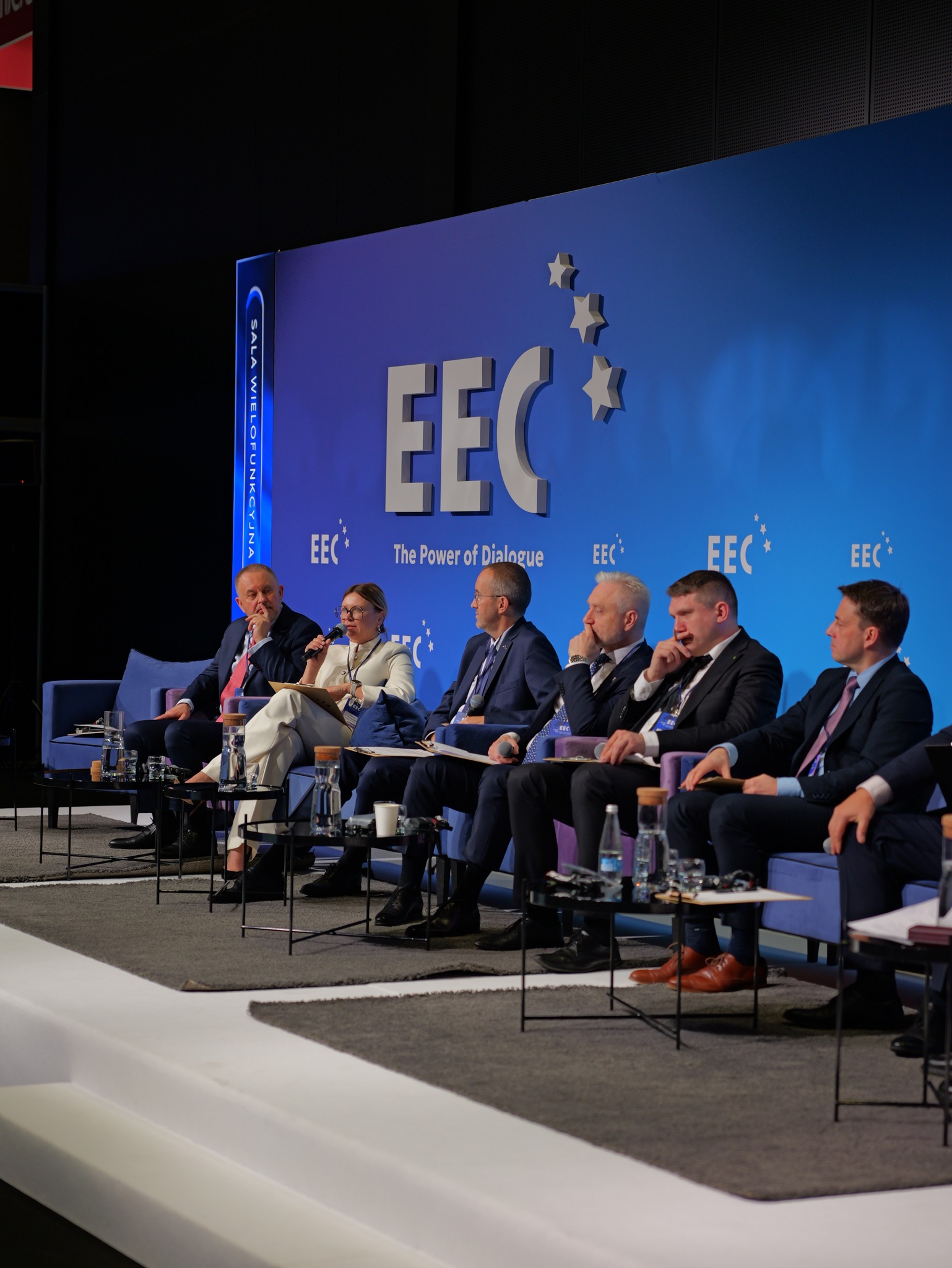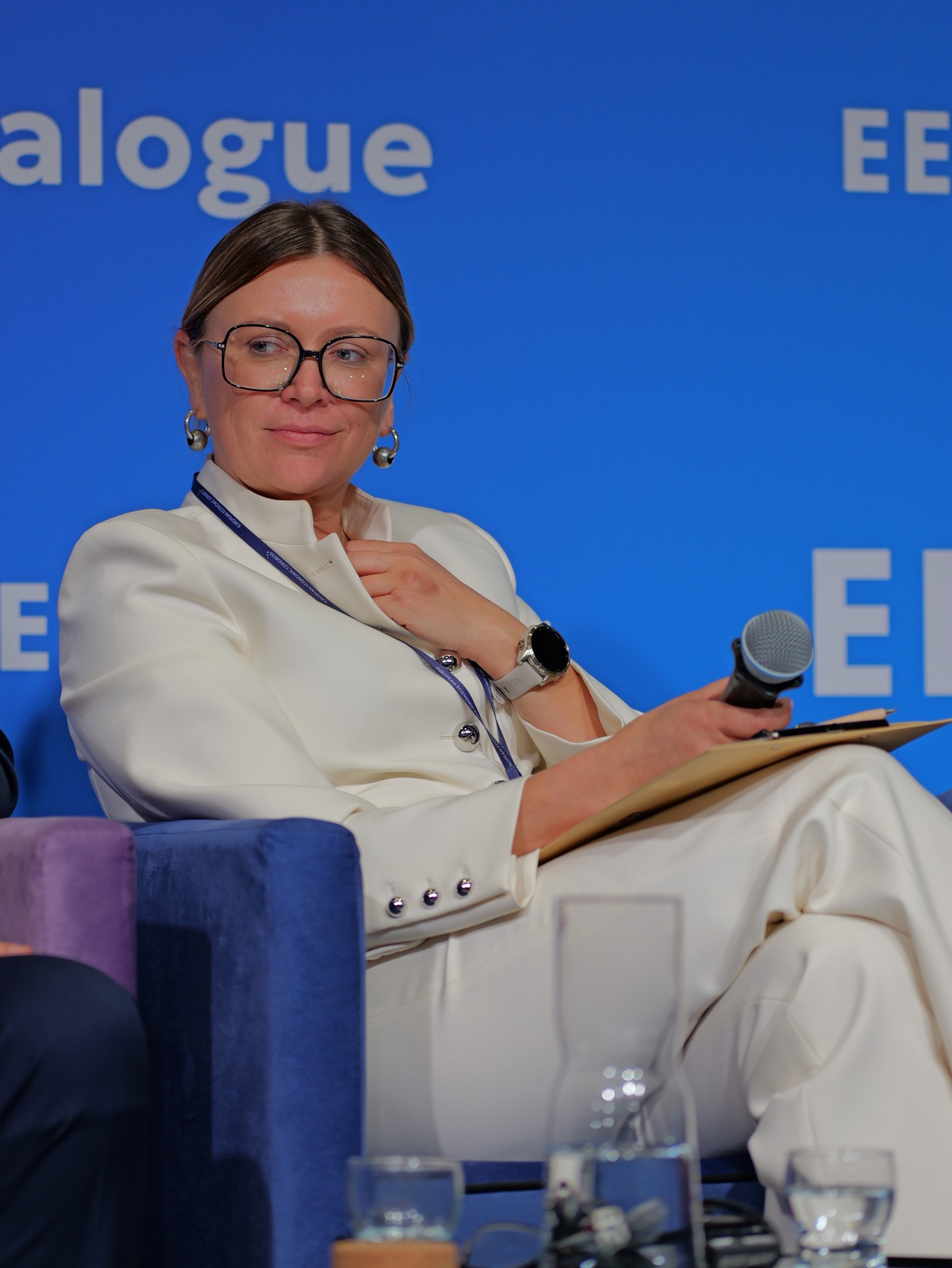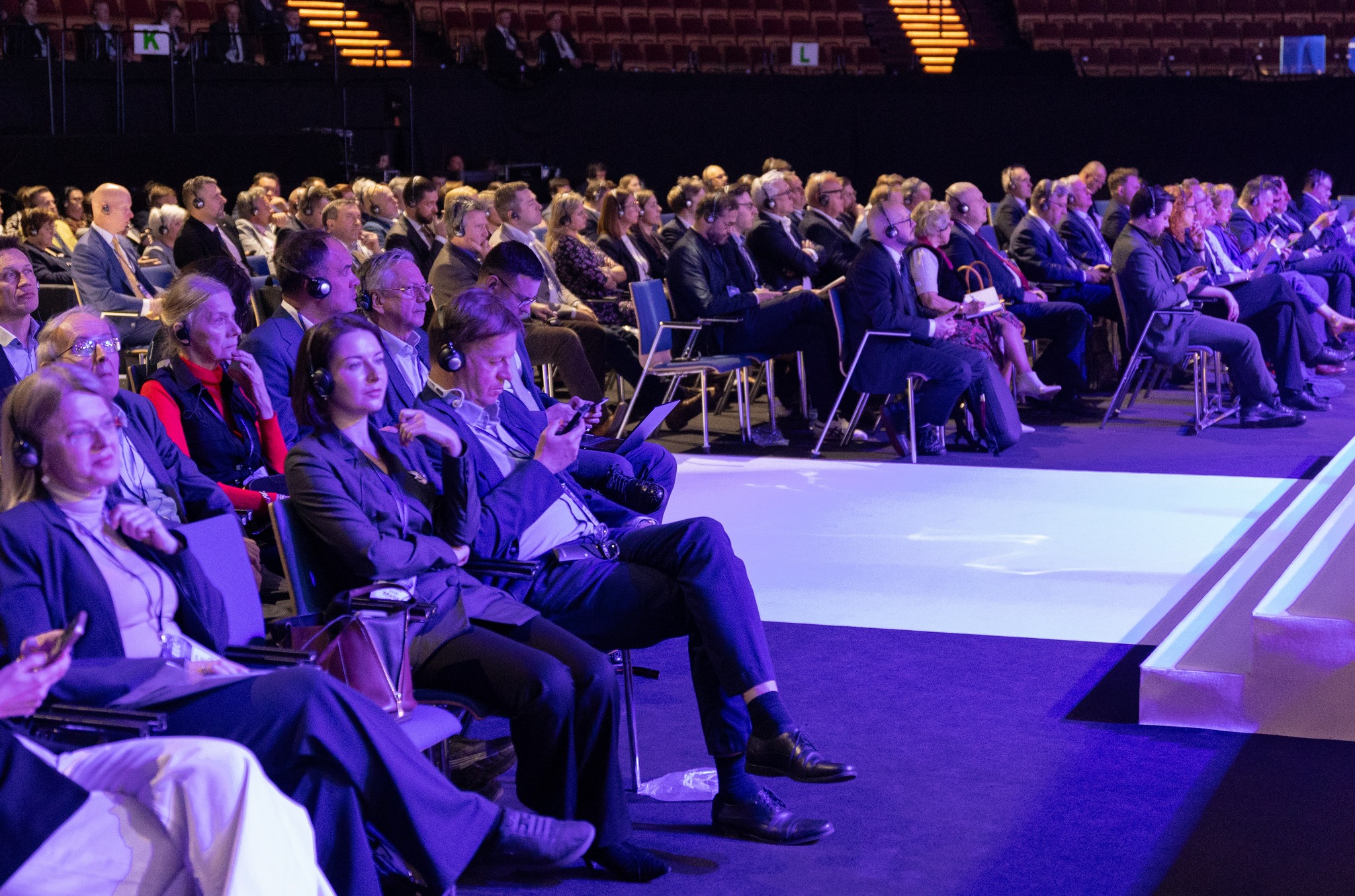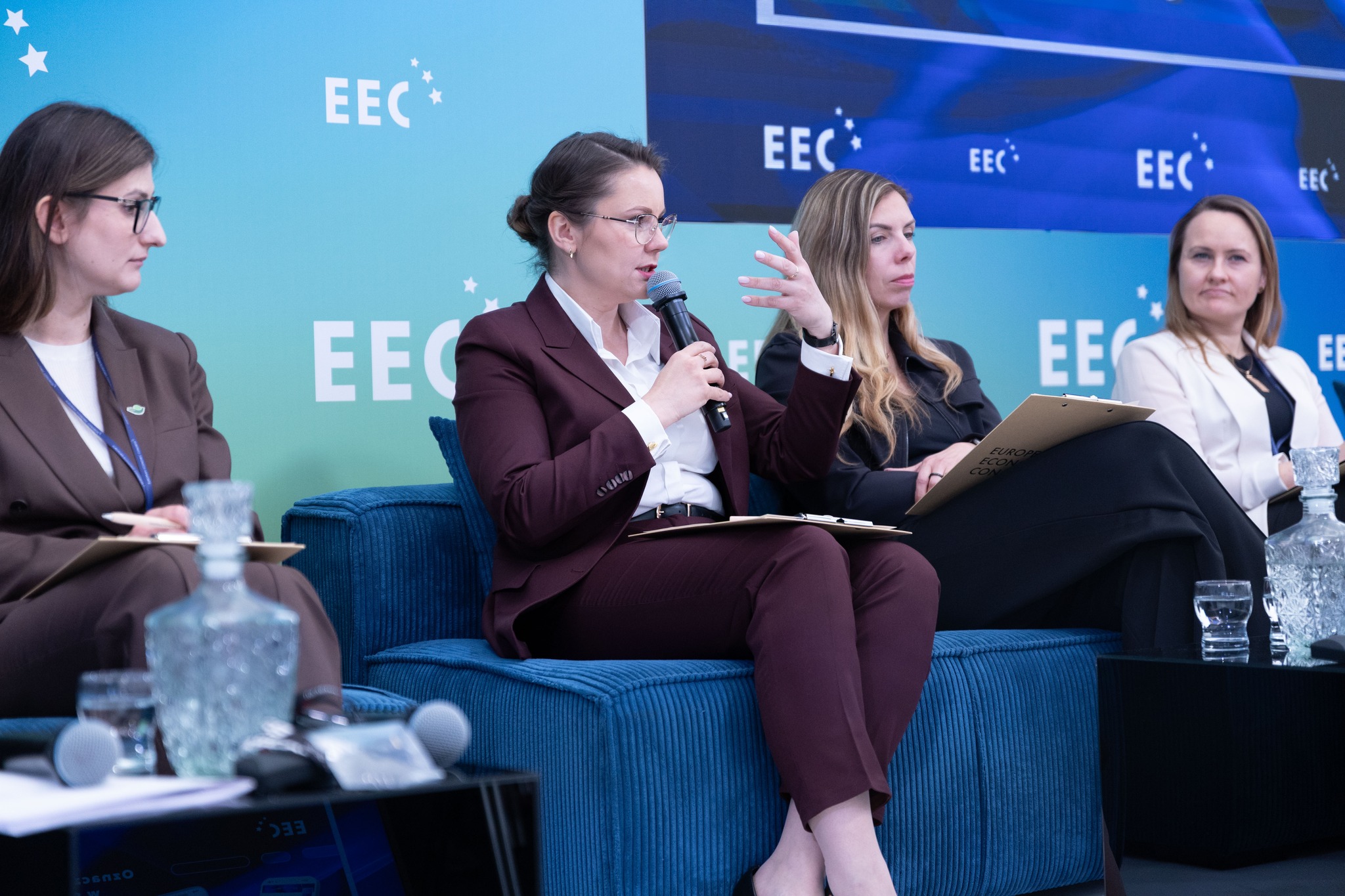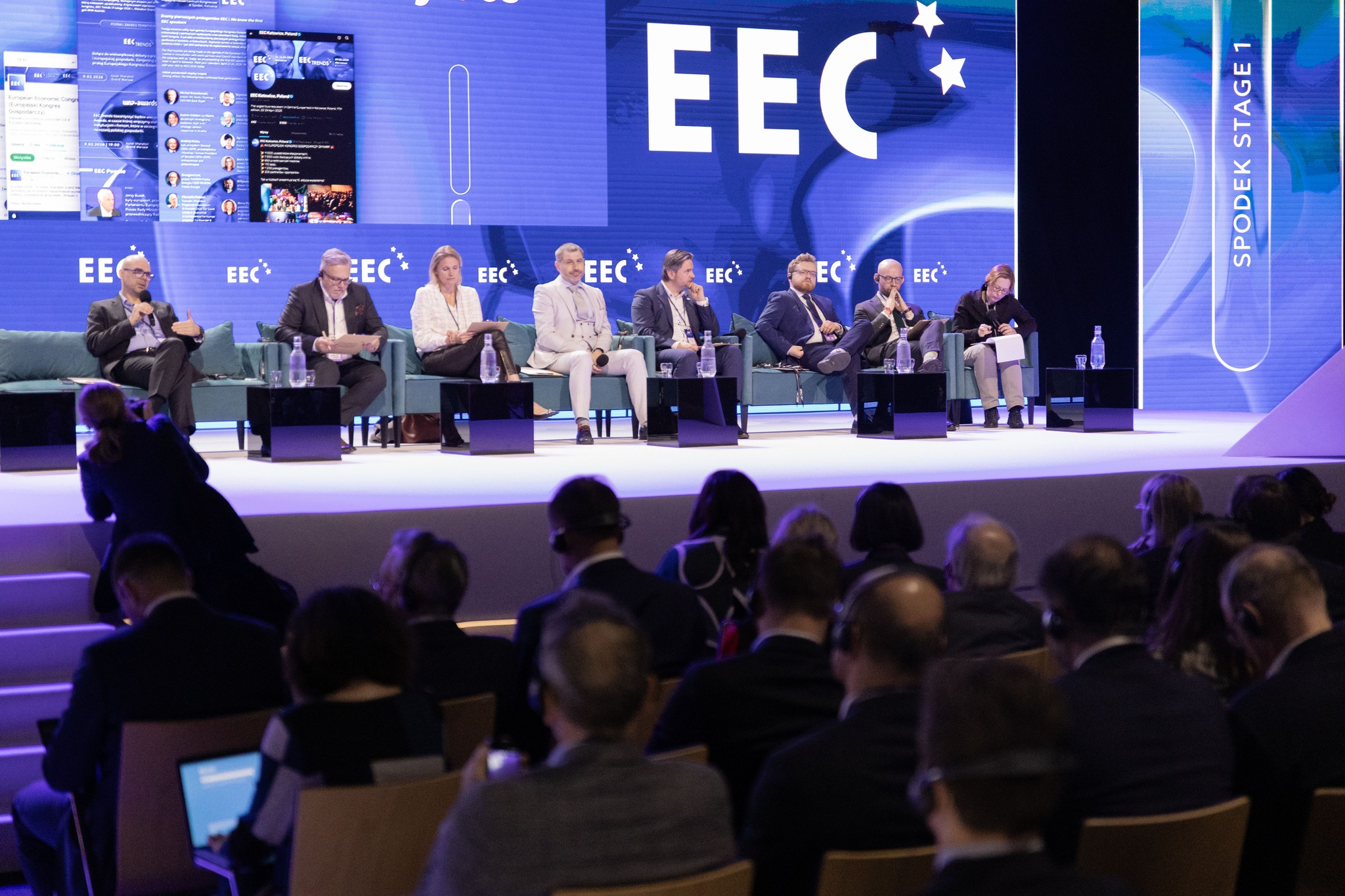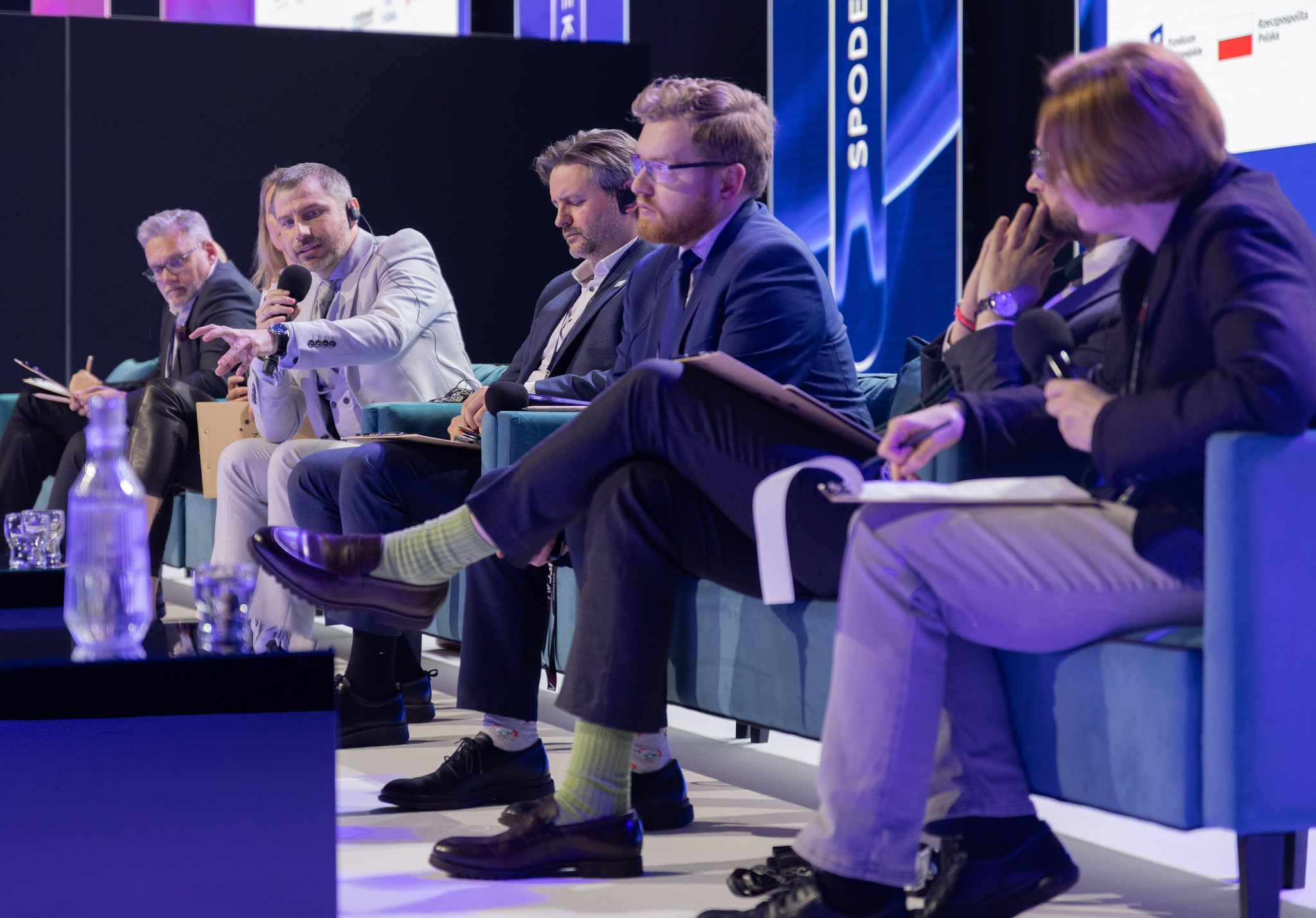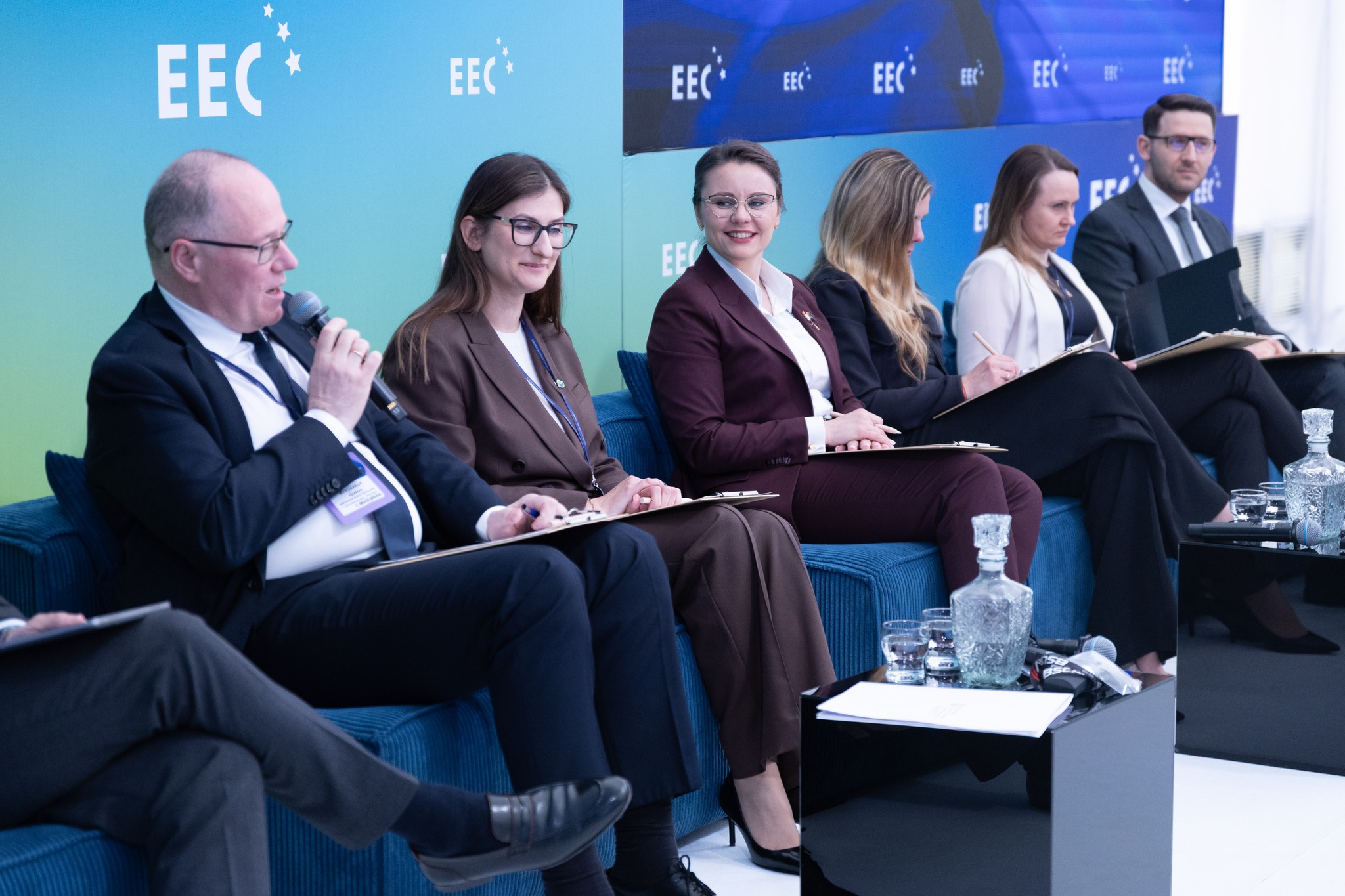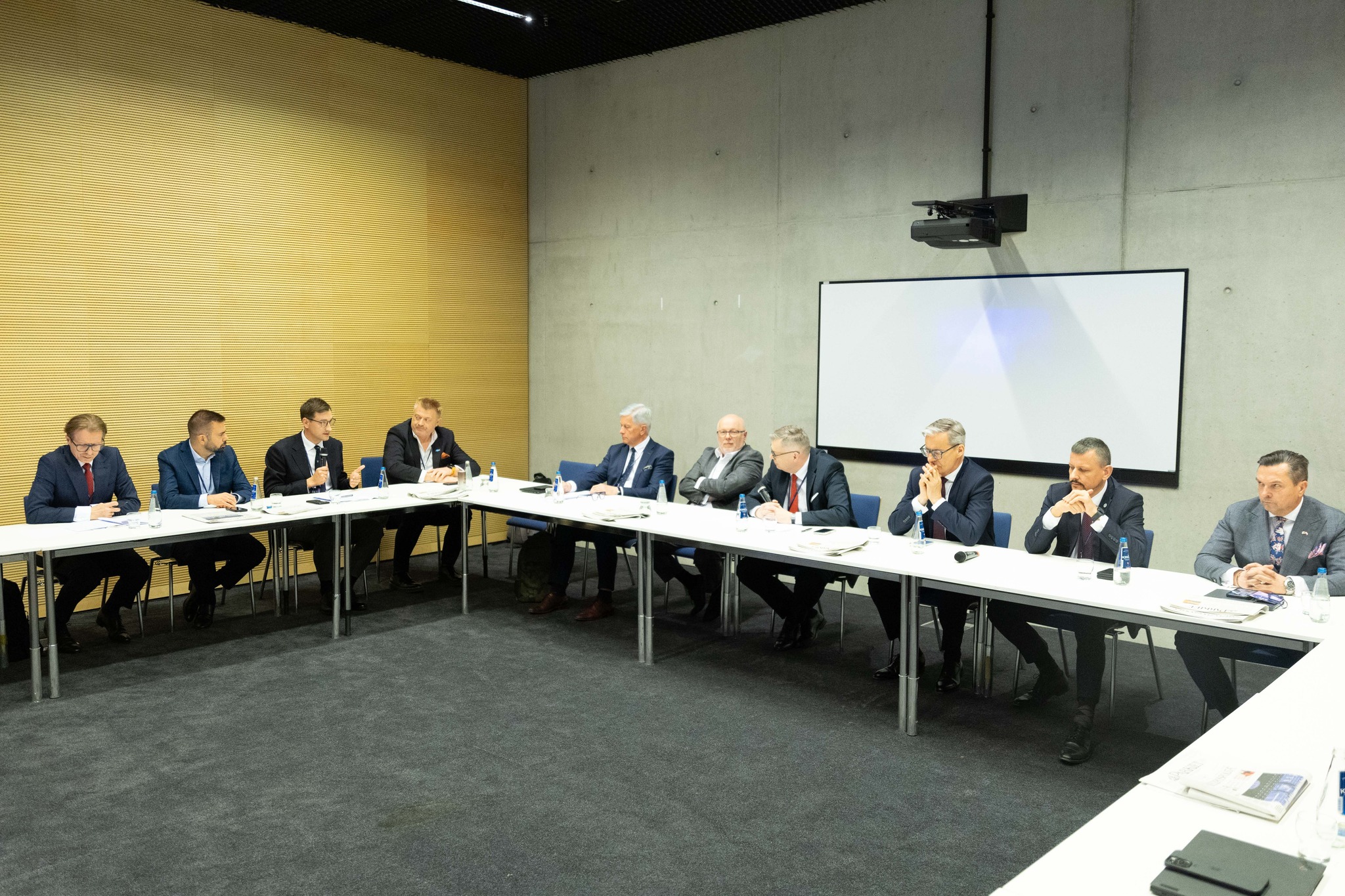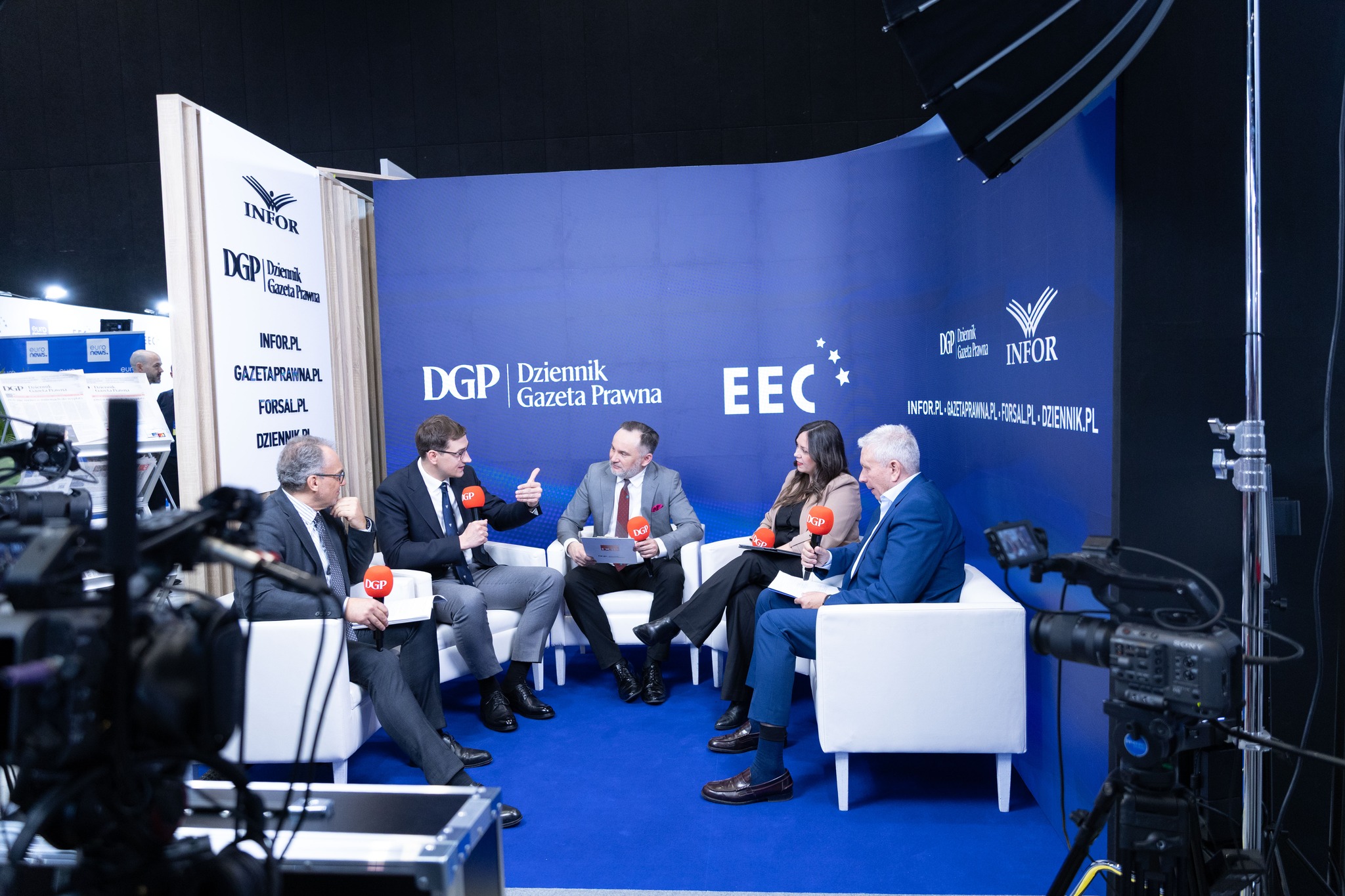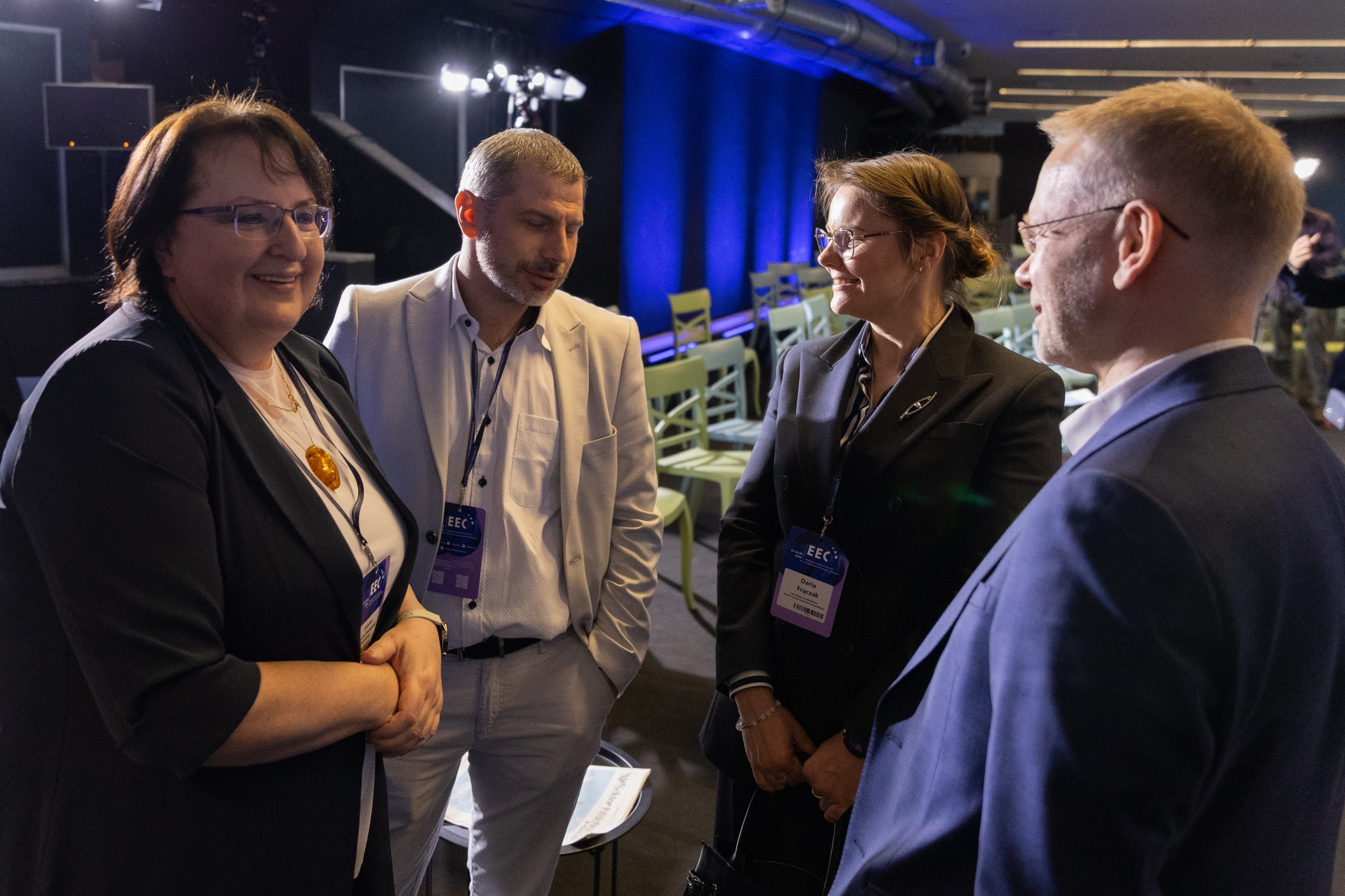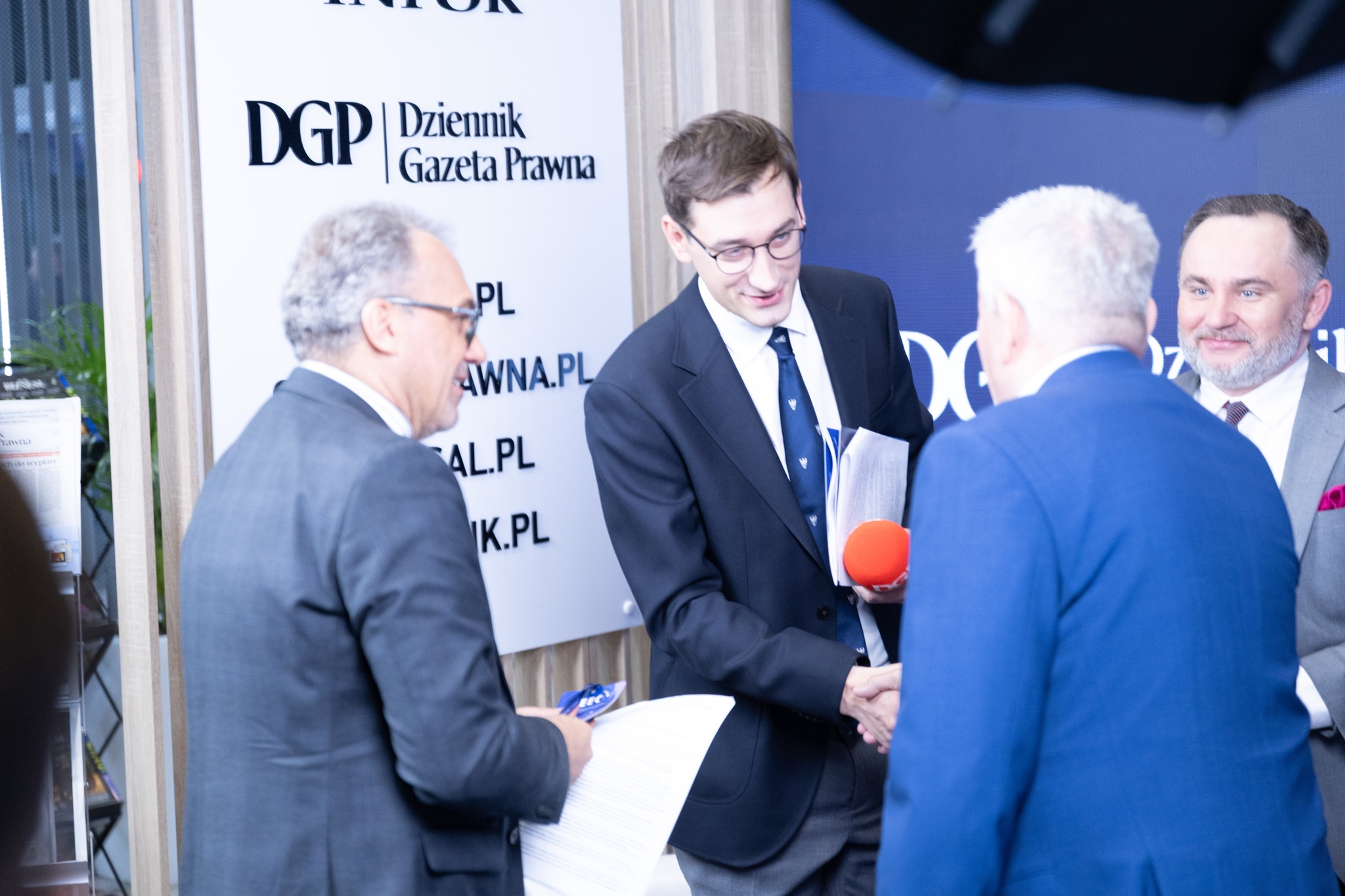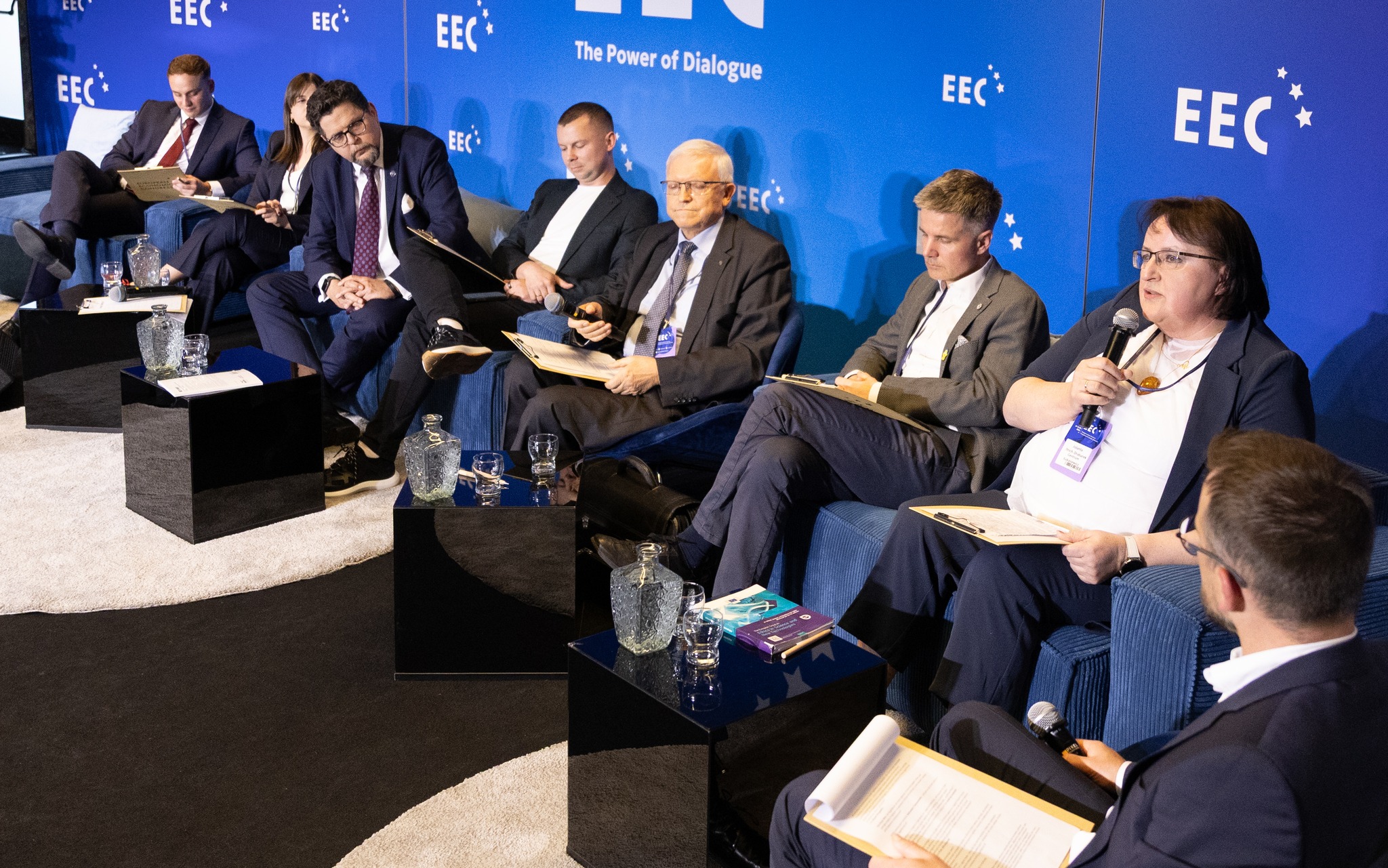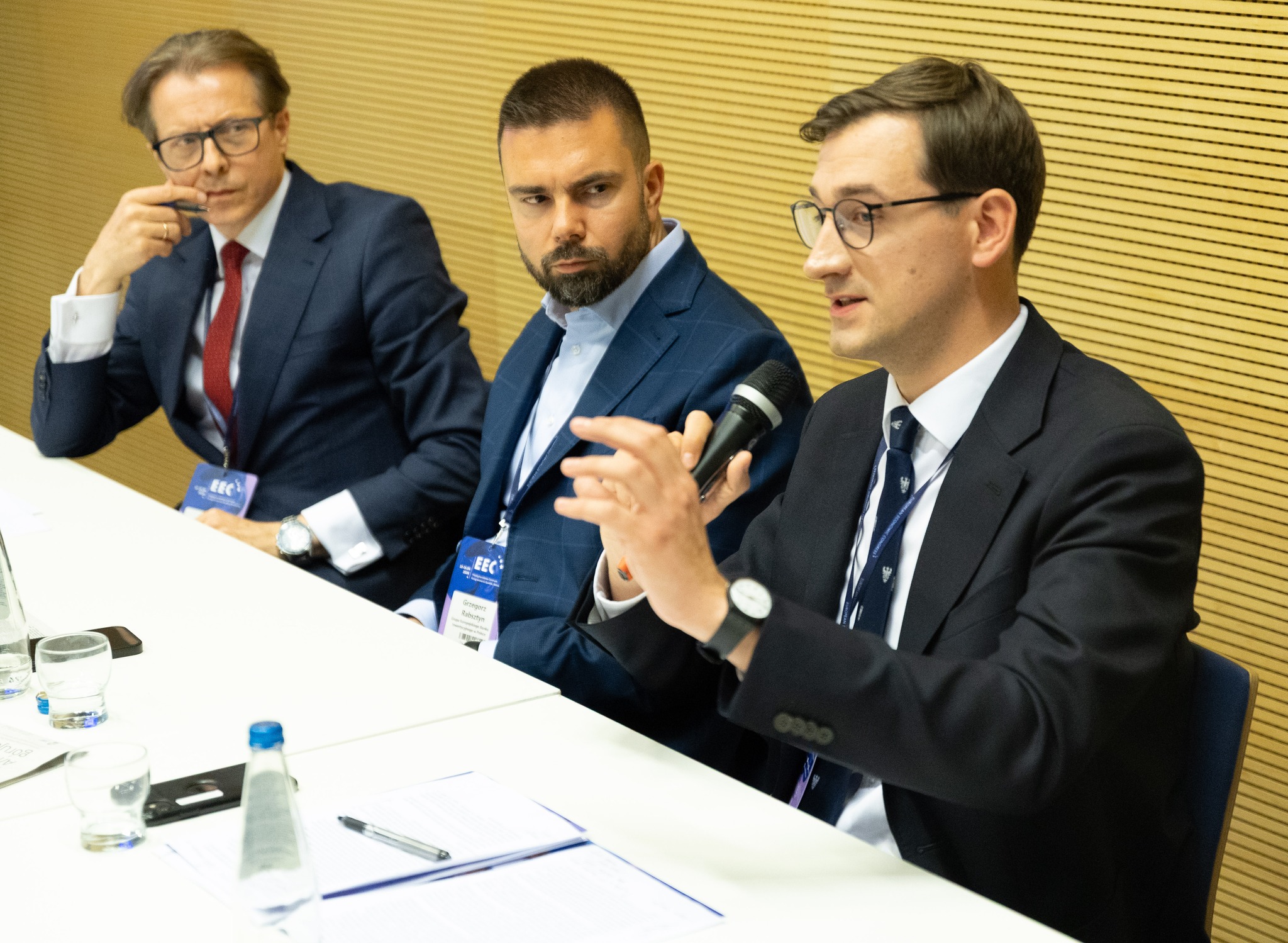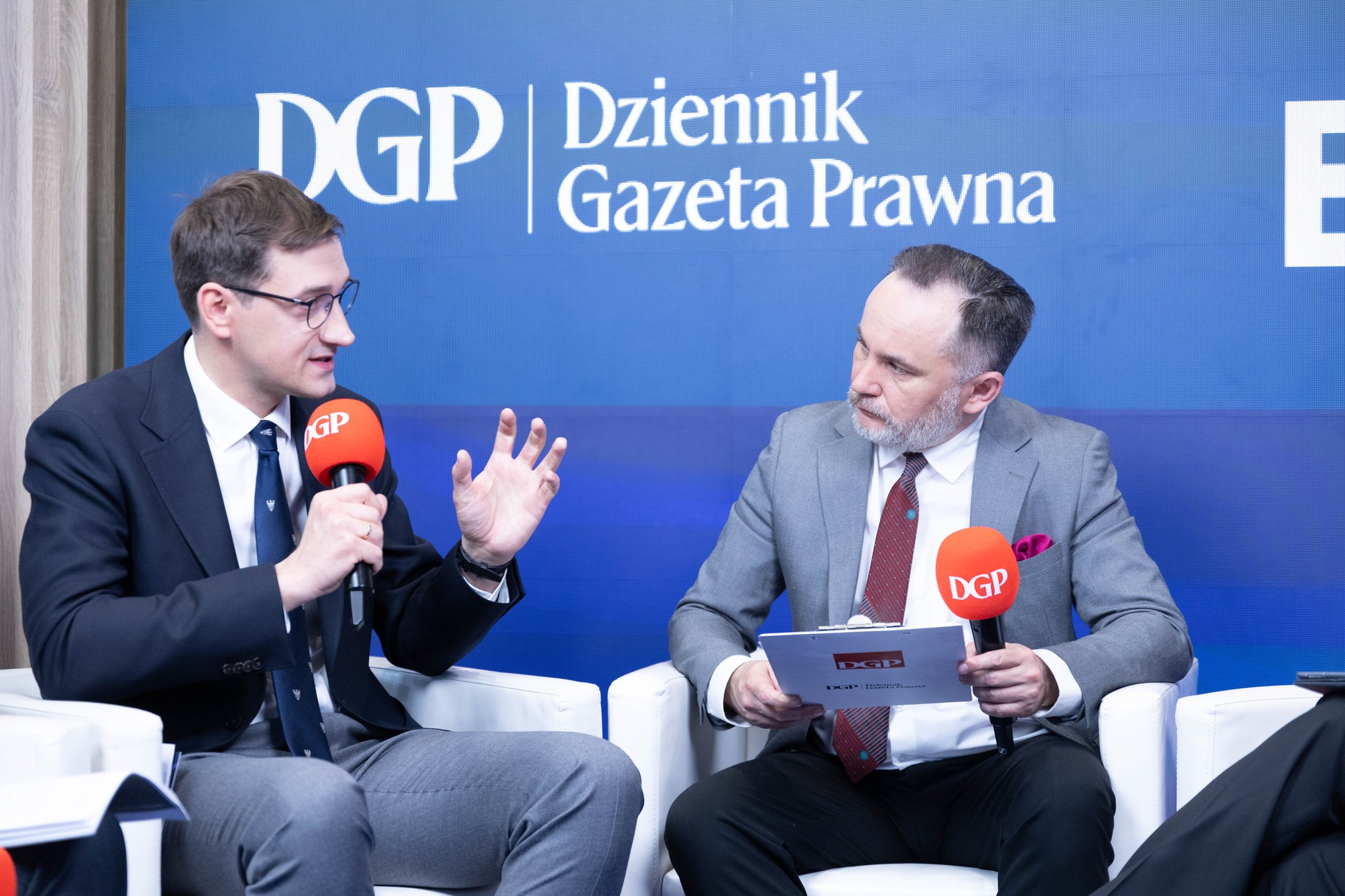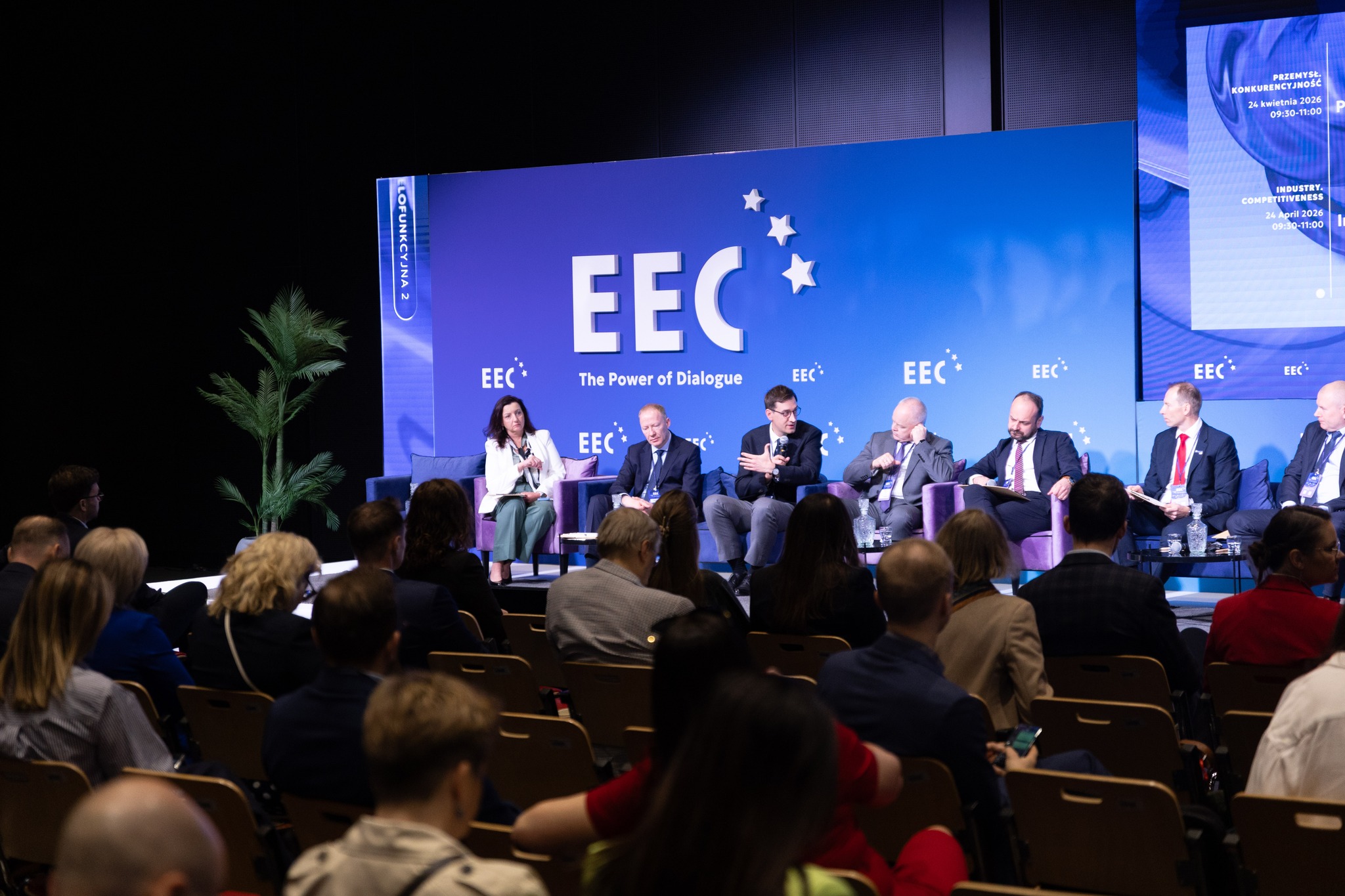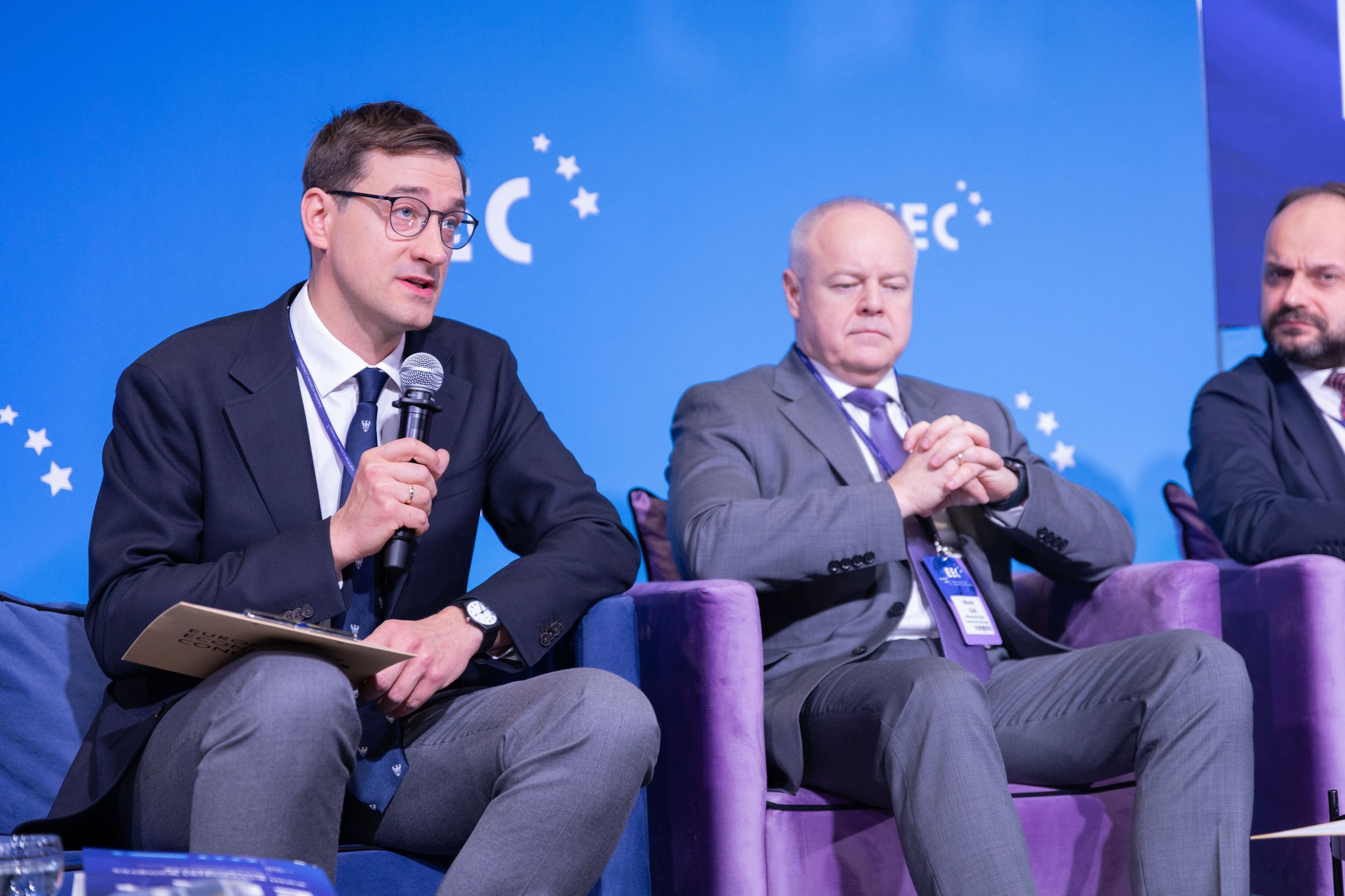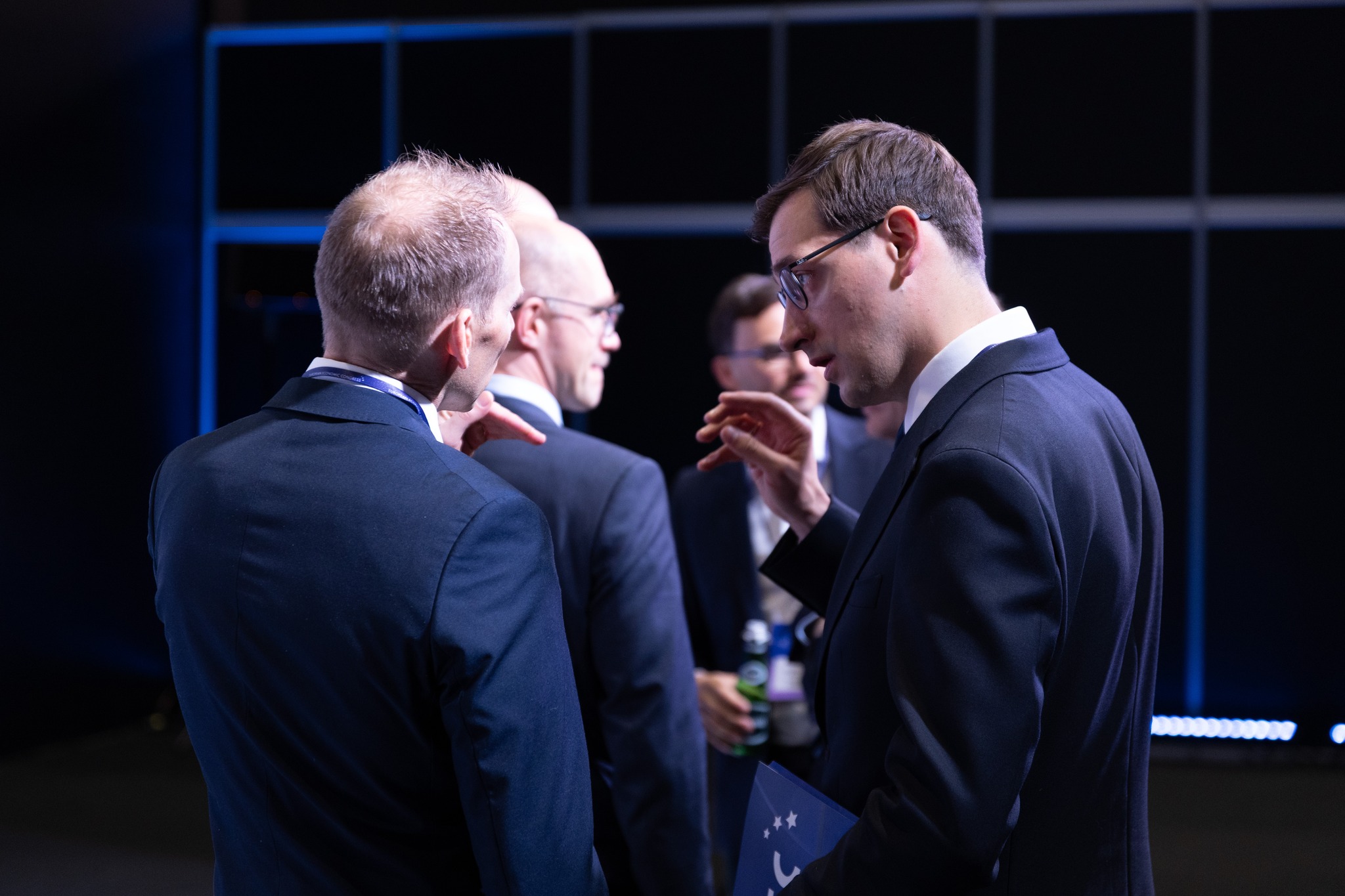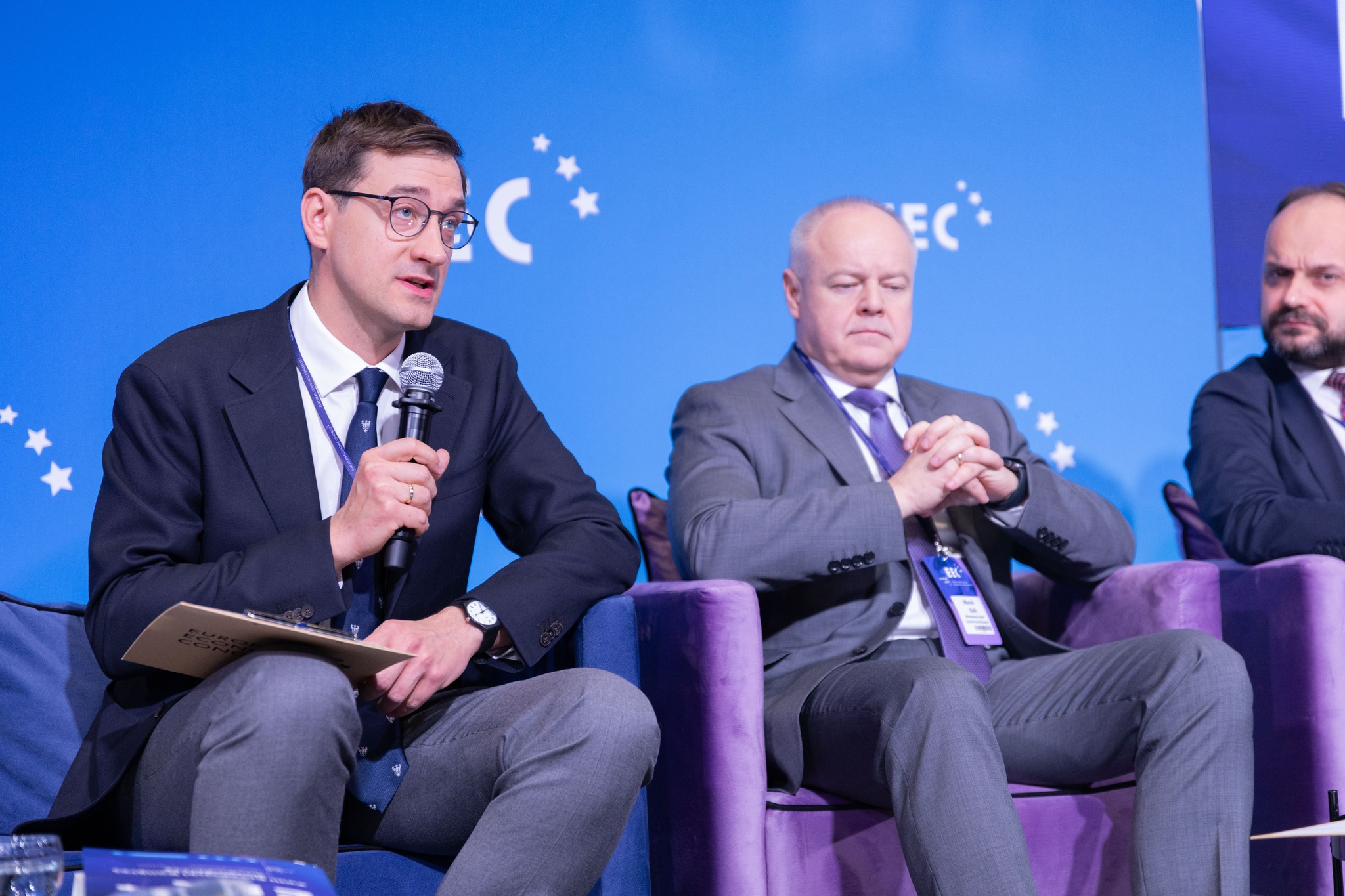
Łukasiewicz was a partner of one of the most important forums for debate on the future of the Polish and European economy — the 18th European Economic Congress in Katowice. The event, held at the International Congress Centre, brought together around 1,300 speakers and 13,500 participants. The programme included more than 200 debates devoted, among other topics, to the impact of innovation on the economy and security.
During the event, which took place on 22–24 April, our representatives highlighted key areas for Poland’s further economic development. Łukasiewicz experts presented our partnerships with business in areas such as industrial innovation, artificial intelligence, dual-use technologies, circular economy and supply chain security. We spoke about the commercialisation of R&D, technological sovereignty and the use of new technologies as a source of lasting competitive advantage.
Łukasiewicz in the debate on relations between science and industry
Dr Hubert Cichocki, President of the Łukasiewicz Centre, took part in the “Industry and Innovation” panel. The discussion focused on companies’ openness to new technologies, cooperation between industry, science and startups, enterprises’ own R&D activities and the effective commercialisation of research results. The panel was attended, among others, by Professor Marek Gzik, Secretary of State at the Ministry of Science and Higher Education, as well as representatives of industry and the scientific community.
“Our intellectual property is also local content for the Polish defence industry,” said President Cichocki. “This is an opportunity for the enormous defence expenditure to have a much stronger multiplier effect than spending carried out before 2024,” he added.
During numerous events at the European Economic Congress, we pointed out that innovation is a condition for the resilience, productivity and security of the economy. This means shortening the path between the laboratory and implementation, better connecting the competences of institutes with the needs of companies, and building a model of cooperation.
An important element of the discussions was also the role of defence spending as an impulse for the economy. As Dr Cichocki noted, increased defence expenditure can bring Poland two fundamental benefits: first, greater innovation in the economy; and second, the development of large Polish companies operating in high-margin value chains, where design, R&D and key competences remain in Poland.
“Technologies must be designed with implementation in mind, and the innovation ecosystem only makes sense when it genuinely shortens the path from an idea to a product, service or solution that strengthens the economy,” participants in the debates emphasised.
AI, data and responsible technological sovereignty
Professor Jolanta Itrich-Drabarek, Vice-President of the Łukasiewicz Centre for Research Affairs, took part in the “Poland in the AI Race” debate. The panel was devoted to how AI-based tools can be translated into business value, and why the level of digitalisation and access to high-quality data determine the position of companies in international value chains. The Vice-President also spoke about the importance of responsible technological sovereignty in the field of artificial intelligence. She emphasised the potential of the Network resulting from research competences developed, among other areas, in AI and cybersecurity.
“Within the Łukasiewicz Research Network, there is an institute developing research in artificial intelligence and cybersecurity,” Professor Itrich-Drabarek said, referring to the Silesia-based Łukasiewicz – AI centre. “We therefore have the knowledge and skills that business and industry can benefit from. This translates into mapping problems that require appropriate responses, such as building applications in the areas of health, security and defence, or energy,” the Vice-President of Łukasiewicz said.
AI was also the central theme of the “Artificial Intelligence — a New Revolution” debate, attended by Professor Jan Kozak, Director of Łukasiewicz – AI. The panel focused on the impact of artificial intelligence on the economy, law, media, education and everyday life, as well as the role of states, big tech companies and scientists in shaping the development of this technology.
“The scope for implementing AI is almost unlimited. The fact that we can cooperate in this direction, both within the Łukasiewicz Research Network itself and with entrepreneurs, gives us many opportunities. It is a blank page that we can write on. It is up to us to make the most of that page,” Director Kozak emphasised.
Łukasiewicz institutes for the circular economy
Dr Eng. Daria Frączak, Director of Łukasiewicz – ICSO, took part in the “Circular Economy” panel. The discussion focused on companies’ transition from a linear to a circular model, rising raw material prices, recycling, and technological, legal, administrative and mental barriers to implementing circular economy solutions.
“At Łukasiewicz, we offer many circular economy-oriented solutions, starting with eco-design, through various recovery and recycling technologies, to the management of waste streams. This is a topic we must remember about and one whose solutions need to be implemented,” Director Frączak emphasised. She added that Polish researchers are prepared for the challenges connected with the circular economy.
Dr Eng. Hanna Purzyńska, Director of the Materials Research Centre at Łukasiewicz – Upper Silesian Institute of Technology, took part in a session devoted to metallurgy, the competitiveness of the steel sector and the importance of domestic production capacities for the security and resilience of the economy.
A common message: from competences to implementation
The European Economic Congress was a place for presenting expert insights and a space for building partnerships. It is precisely these partnerships that determine whether knowledge created in laboratories will translate into new products, processes, services and competitive advantages for Polish companies.