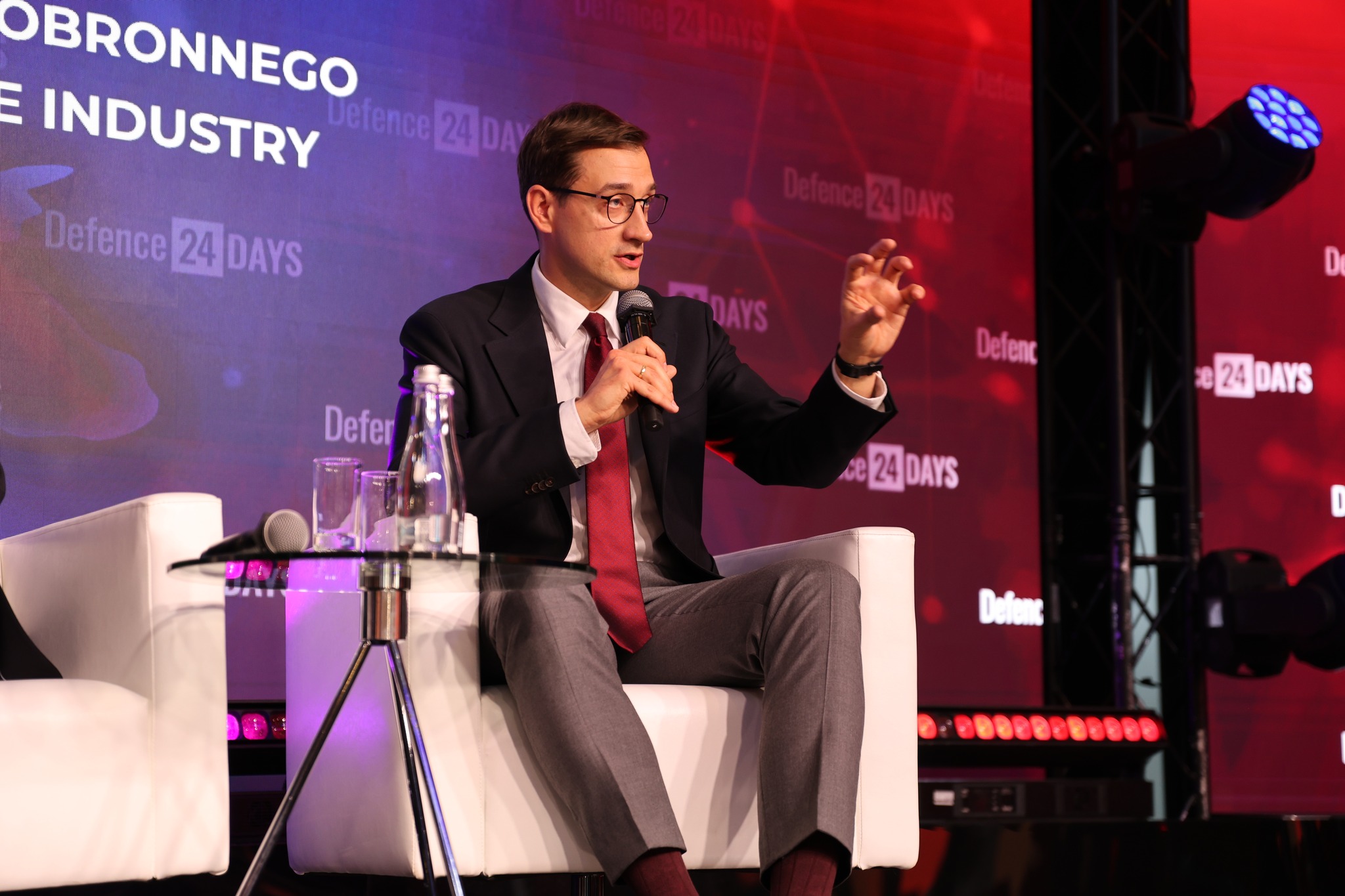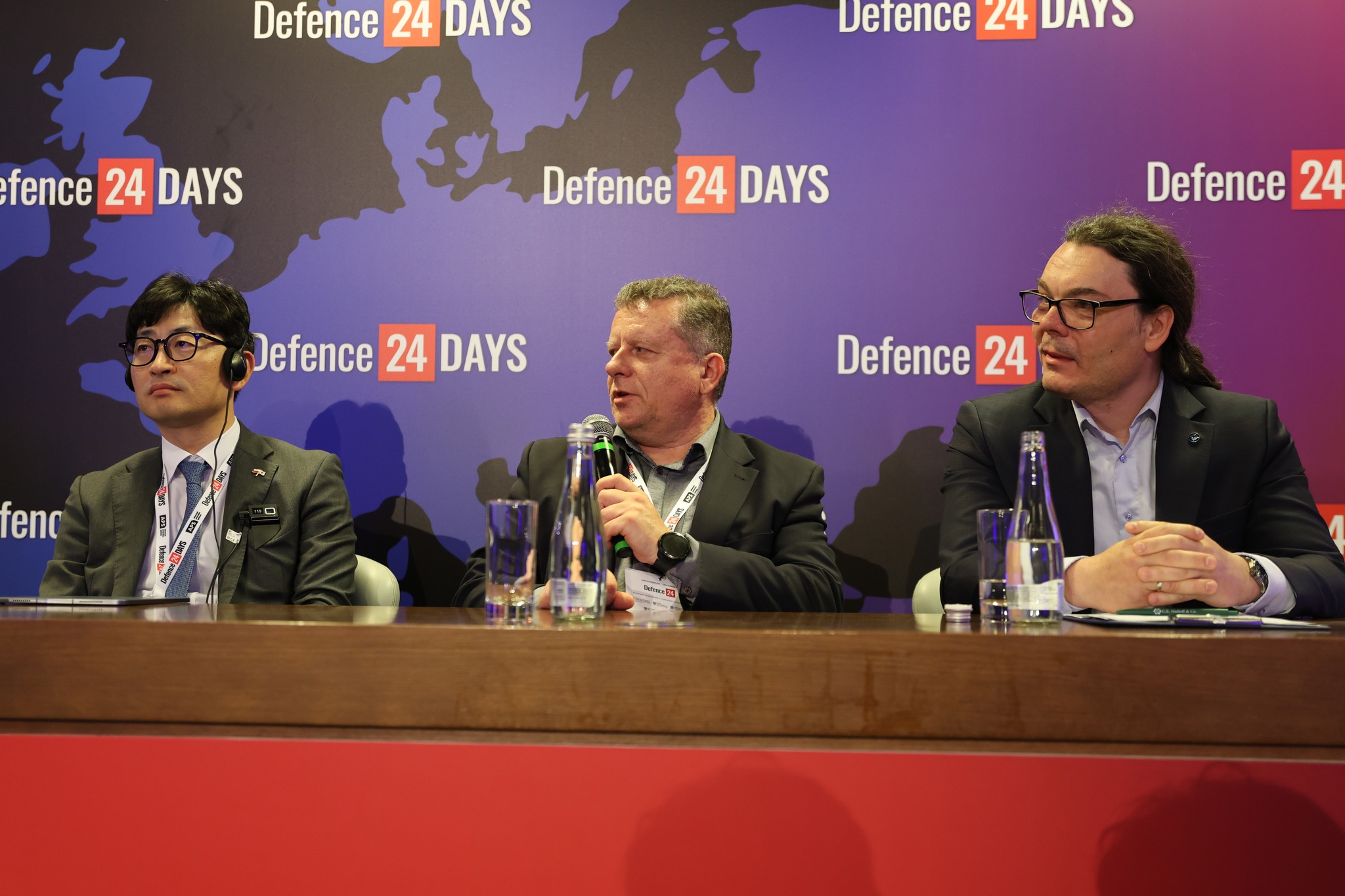
Łukasiewicz Research Network is actively strengthening Poland’s security. In 2023, the share of projects carried out by Łukasiewicz in the field of defence and security stood at just over 12 percent. In 2026, it is already close to 70 percent, said Dr Hubert Cichocki, President of Łukasiewicz Research Network, during the 8th edition of the Defence24 Days conference, held in Warsaw on 6–7 May.
As Dr Cichocki noted, over the past two years the institutes forming the Łukasiewicz Research Network have focused their activities on research and development projects supporting national defence and security.
“On the one hand, we want to support the emerging and growing Polish defence industry and Polish companies operating in this sector. On the other hand, we want to support Poland’s security, including its fundamental military security,” he emphasised.
He pointed to the use of the broad competences of Łukasiewicz institutes — from chemistry and materials engineering to special electronics and biotechnology — for the needs of the defence sector.
“Examples include projects related to modern ceramic materials for the defence industry or chemical solutions supporting the functionality of ammunition,” he said.
Debate on the development of the Polish defence industry
The head of Łukasiewicz Research Network took part, among others, in a debate on the model and development of the Polish defence industry. He was joined by Konrad Gołota, Deputy Minister of State Assets; Major General Artur Kuptel, Head of the Armament Agency; and representatives of the defence industry: Adam Leszkiewicz, President of the Polish Armaments Group, and Piotr Wojciechowski, President of WB Group. The participants discussed the conditions necessary to build a coherent industrial ecosystem capable of competing on global markets and securing national needs.
During the debate, Dr Cichocki emphasised that the increase in defence spending and programmes such as SAFE create a unique opportunity to strengthen cooperation between the defence industry and the research and development sector. He noted that the defence industry is characterised by the highest R&D intensity of all sectors, with research and development expenditure reaching around 15 percent of the sector’s value.
“In response to new market needs, over the past two years we have carried out a deep transformation of Łukasiewicz’s project portfolio. In 2023, projects related to defence and security accounted for around 12.5 percent of all initiatives being implemented. Today, their share exceeds 67 percent,” he said.
He added that the scale of individual research and development projects had also increased significantly.
“The average value of subsidy-funded projects in the defence sector has risen from PLN 0.5 million in 2023 to around PLN 2.5 million today. This means a fivefold increase in project value and a concentration of resources on larger and more advanced initiatives,” the head of Łukasiewicz stressed.
In his view, a particularly important undertaking is the ten-year strategic space research programme launched for the first time in the organisation’s history. “The programme covers three main areas: launch technologies, satellite construction and the development of components used in space,” Dr Cichocki said.
Space technologies of Łukasiewicz Research Network
As Dr Eng. Adam Okniński, Plenipotentiary for Space Technologies at Łukasiewicz – Institute of Aviation, noted, the largest share of capital expenditure and resources has been directed precisely towards launch technologies, which will be used both by the Polish defence industry and the developing space sector.
“The aim is to develop Polish solutions that will allow us to become independent of foreign entities,” he explained.
He added that the space research programme involves 17 of the 22 institutes forming the Network.
“A number of these institutes already have a strong portfolio in the development of satellite and rocket systems. Łukasiewicz – Institute of Aviation has the pleasure of leading this cooperation,” Okniński said.
He also emphasised that the undertaking involves a range of private and public-sector entities connected both with civilian space technologies and defence.
Dr Eng. Adam Okniński also recalled the BURSZTYN project, which involves the construction and development of a suborbital rocket. “It can reach the conventional boundary of space, flying more than 100 kilometres upwards, validate technology in flight and carry various research experiments,” he said.
He added that the BURSZTYN rocket is the first rocket in the world to use a new type of environmentally friendly material: 98-percent hydrogen peroxide. “And this is our Polish technology, which foreign designers have also begun to use,” the expert noted.
Łukasiewicz – PIAP develops unmanned technologies
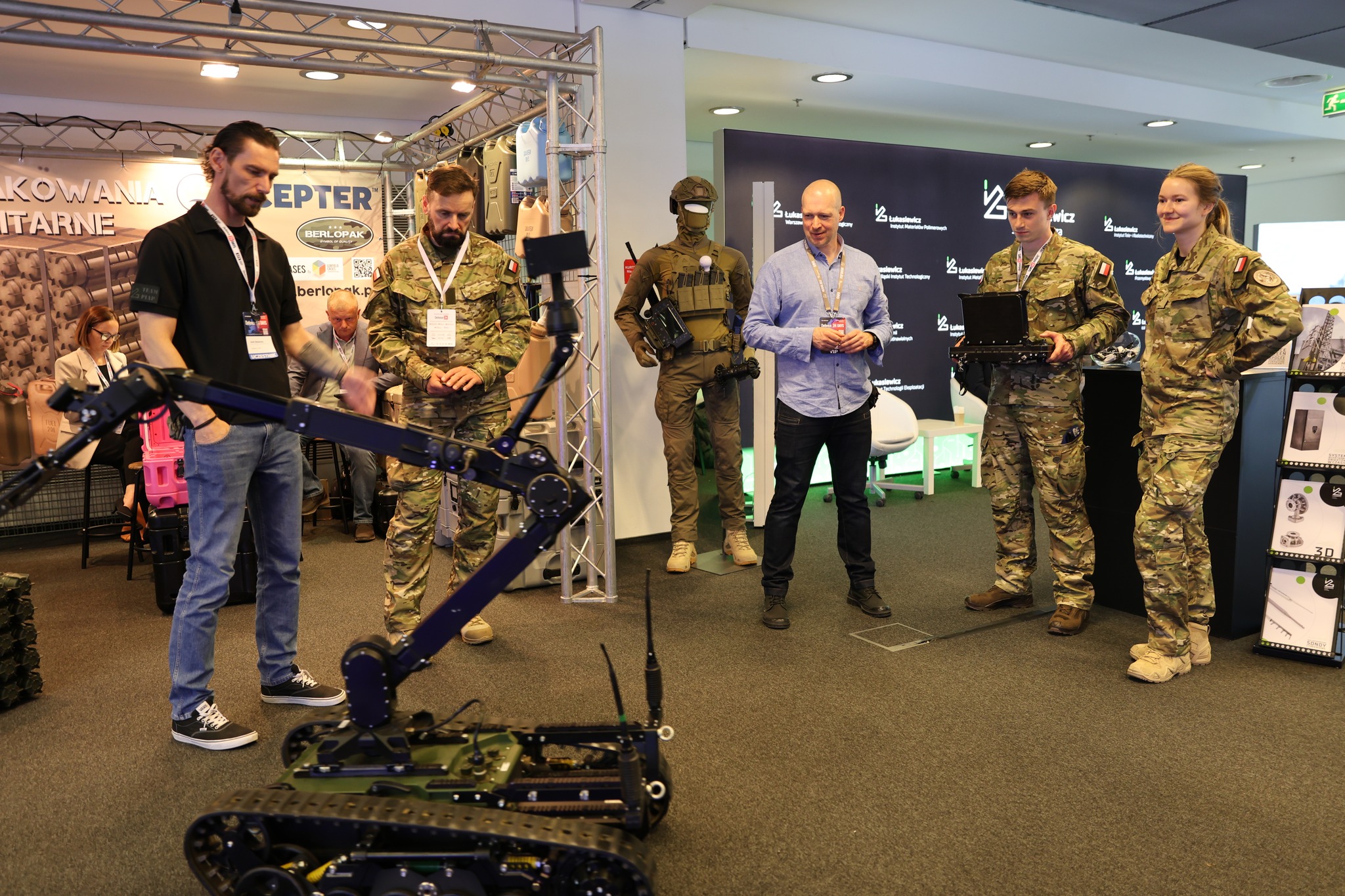
During Defence24 Days, Professor Eng. Piotr Szynkarczyk, Director of Łukasiewicz – Industrial Research Institute for Automation and Measurements PIAP, spoke about world-class domestic technical solutions, pointing to unmanned ground vehicle technology.
“At Łukasiewicz – PIAP, which is part of the Łukasiewicz Research Network, we have been developing ground robotics for a quarter of a century. It really began with a request from the police for a robot that could approach a bomb instead of a human and, if necessary, defuse it. We did that. Later, other services came forward, including the Border Guard and the State Fire Service, wanting to acquire robots that could replace humans in dangerous environments. Recent events around the world show that such unmanned ground vehicles are also needed by the military,” Professor Szynkarczyk said.
He added that the war in Ukraine is now a clear example of this. “There is currently a frontline zone several dozen kilometres wide where only robots operate. There are no people there, so as not to put their lives at risk,” he explained.
Director Szynkarczyk noted that in designing and building unmanned vehicles, Łukasiewicz – PIAP cooperates not only with other institutes of the Network, of which it is part, but also with institutions and companies outside Łukasiewicz. “This is a task requiring many advanced technologies that must come together in order to build, for example, the PIAP GRYF mobile pyrotechnic robot, which is used, among other things, for reconnaissance in very difficult terrain,” he said.
In the discussion on the modernisation of land forces, in which Professor Szynkarczyk took part, experts agreed that unmanned combat platforms are the future of the armed forces.
Maritime drones are becoming increasingly popular
Another unmanned solution for defence was presented by Dr Hab. Grzegorz Gudzbeler, Director of Łukasiewicz – Warsaw Institute of Technology. He introduced the modern Manta maritime drone, which can be used both for tasks related to the armed forces and defence, and in peacetime to monitor critical infrastructure.
“Manta is a response to both military and hybrid threats to critical infrastructure located at sea. One example is the huge offshore wind farm being built by ORLEN,” the expert said.
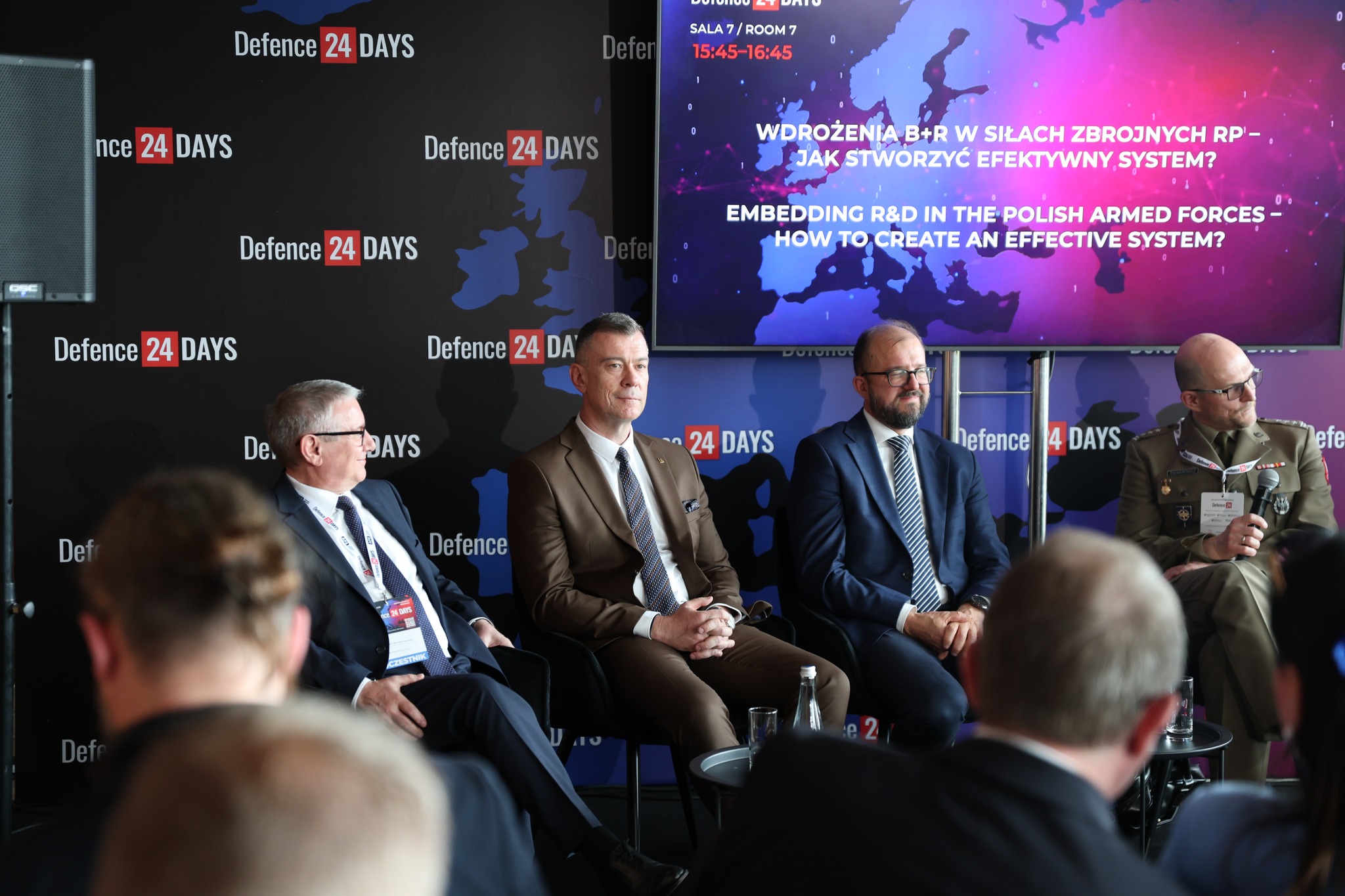
Director Gudzbeler, who took part in a discussion on how to create an effective system for implementing R&D in the Polish Armed Forces, emphasised that Łukasiewicz institutes are scientific units that carry out their tasks mainly as development work and implementation-oriented research at Technology Readiness Level 6, sometimes 7.
“Meanwhile, reaching level 9, where we already have a finished and properly scaled product that can be purchased by the armed forces, requires close cooperation with industry,” he said.
In his opinion, hubs are needed for this to happen. “They must include end users, such as the armed forces, industry players capable of scaling solutions, and scientific units such as Łukasiewicz institutes, because they can provide modern products that are also ready for scaling,” Director Gudzbeler stated.
He added — as did many participants of Defence24 Days, including the Head of the Armament Agency, Major General Dr Artur Kuptel — that cooperation between scientific units, industry and the military is crucial. Together, these partners define what is needed to create even better technological solutions. According to him, innovation is the most important element shaping contemporary defence capabilities, not only in Poland but also in many other countries.
The Łukasiewicz Research Network stand attracted the attention of politicians and experts
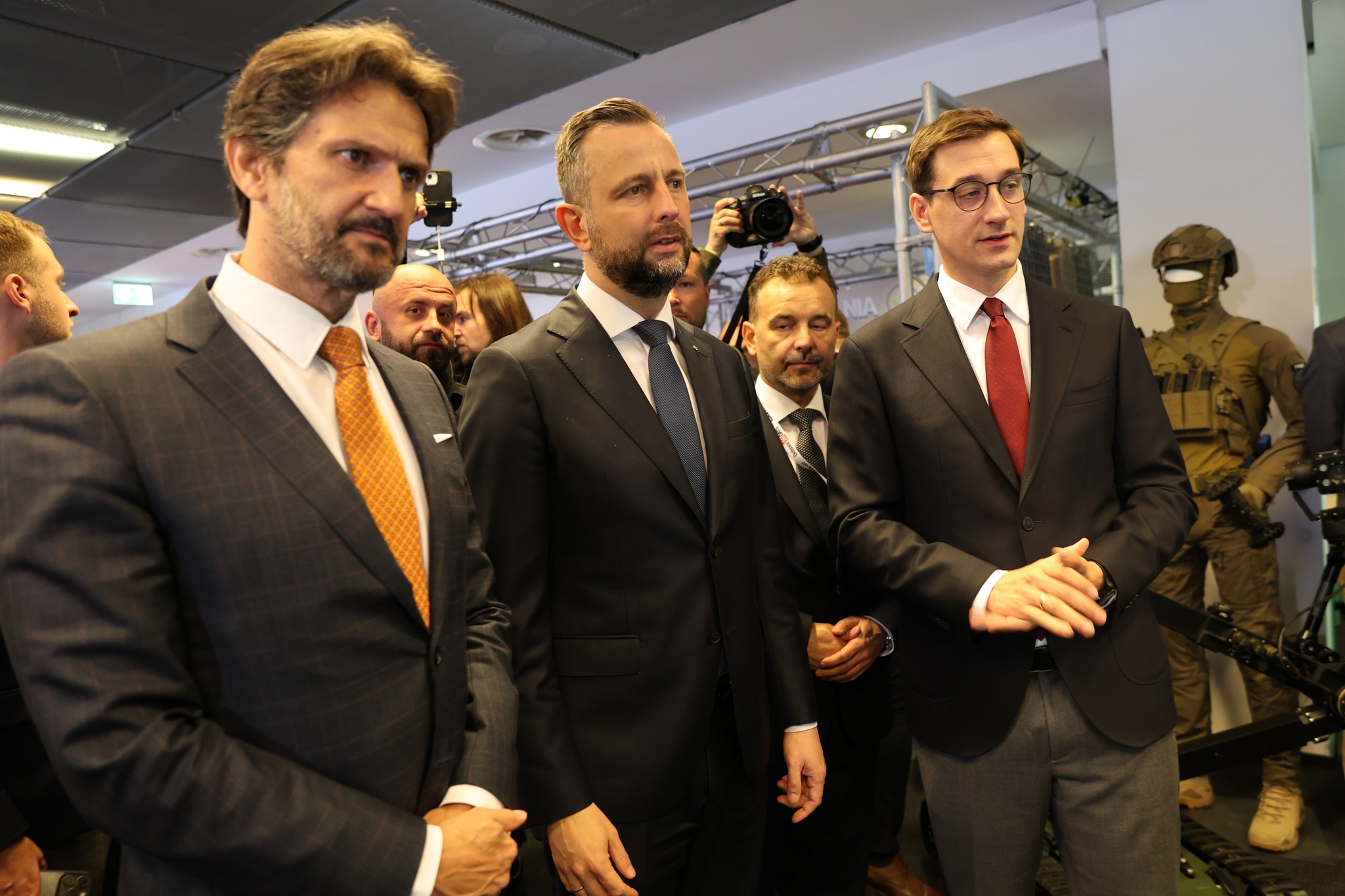
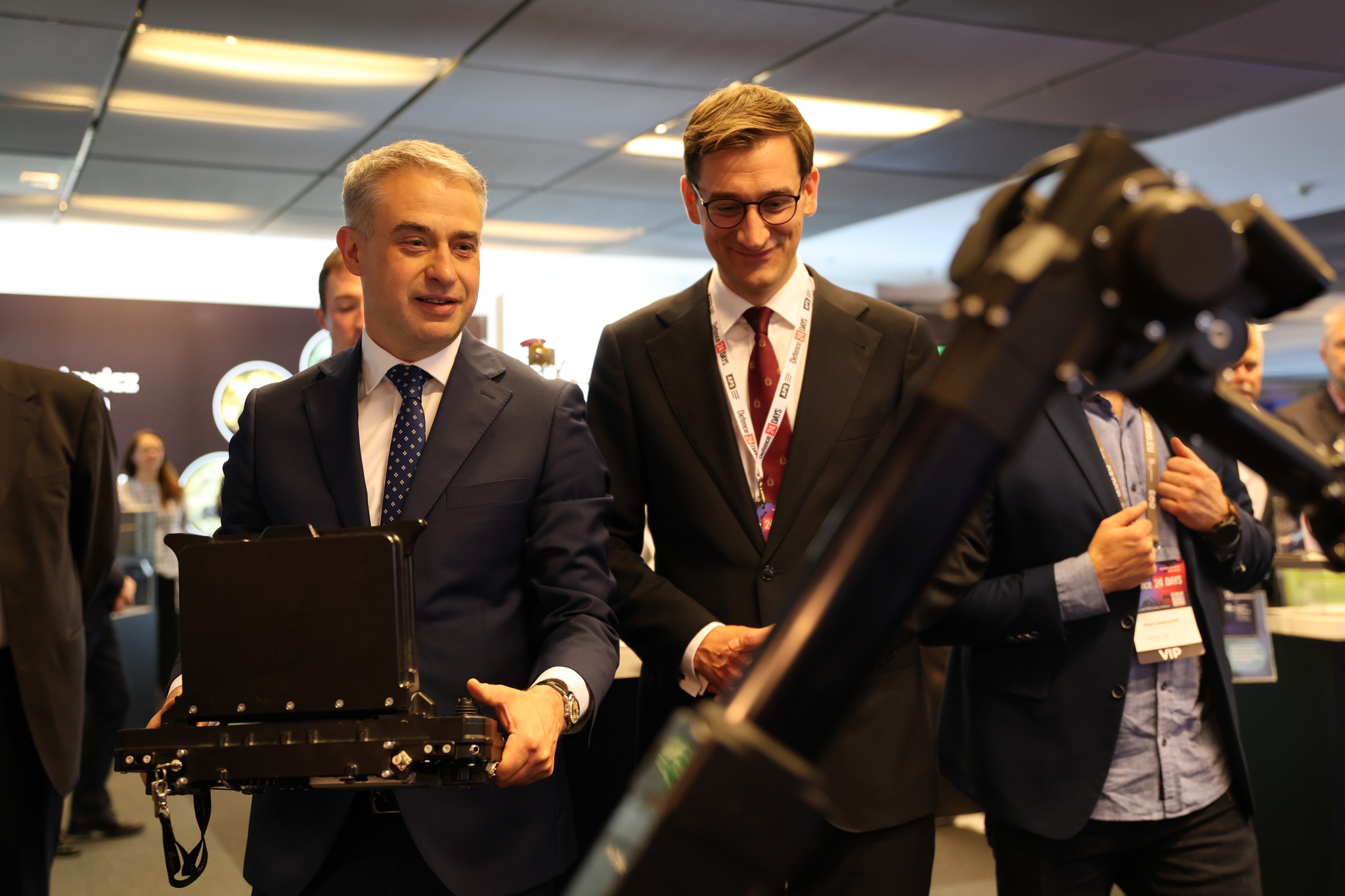
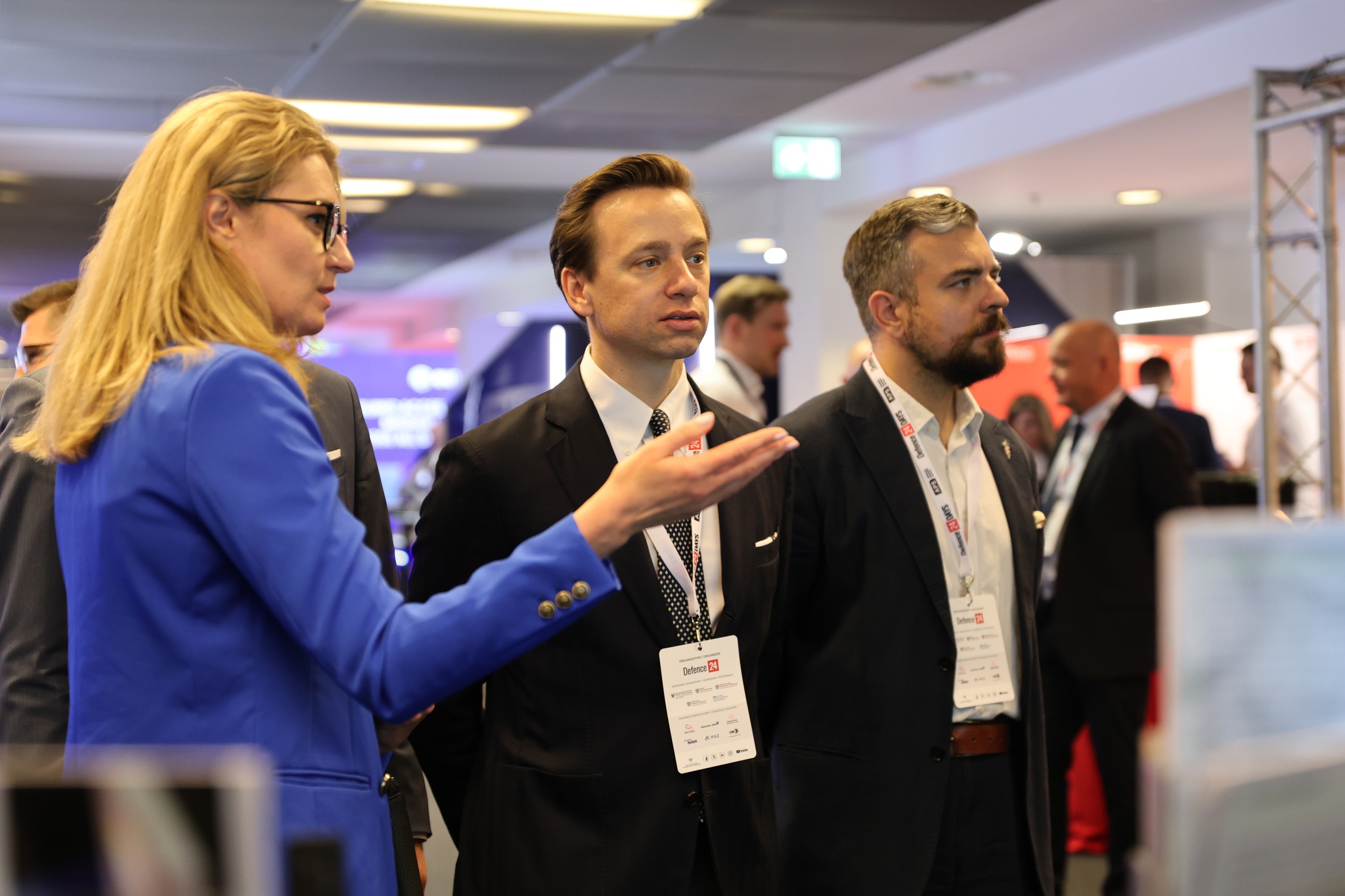
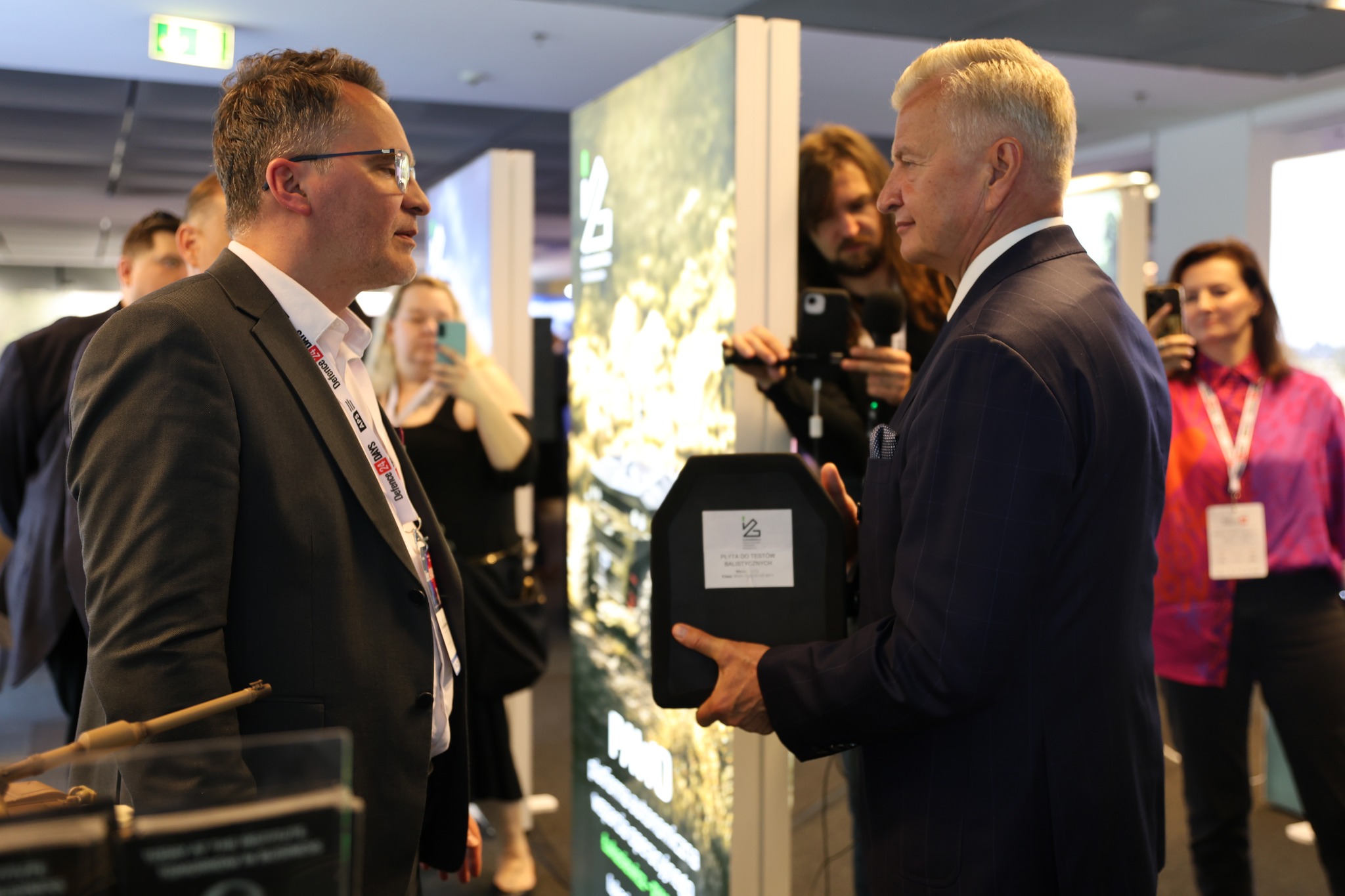
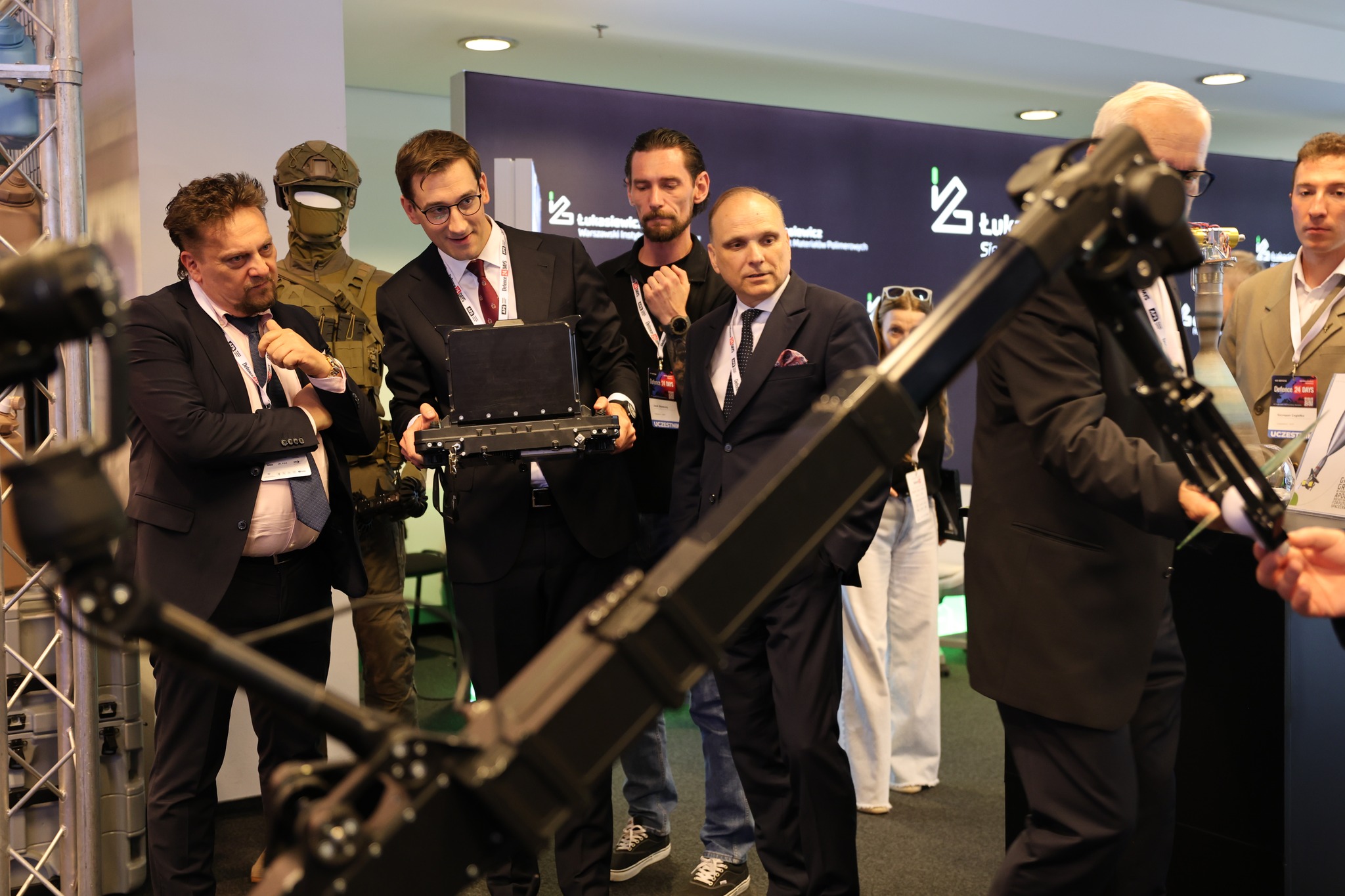
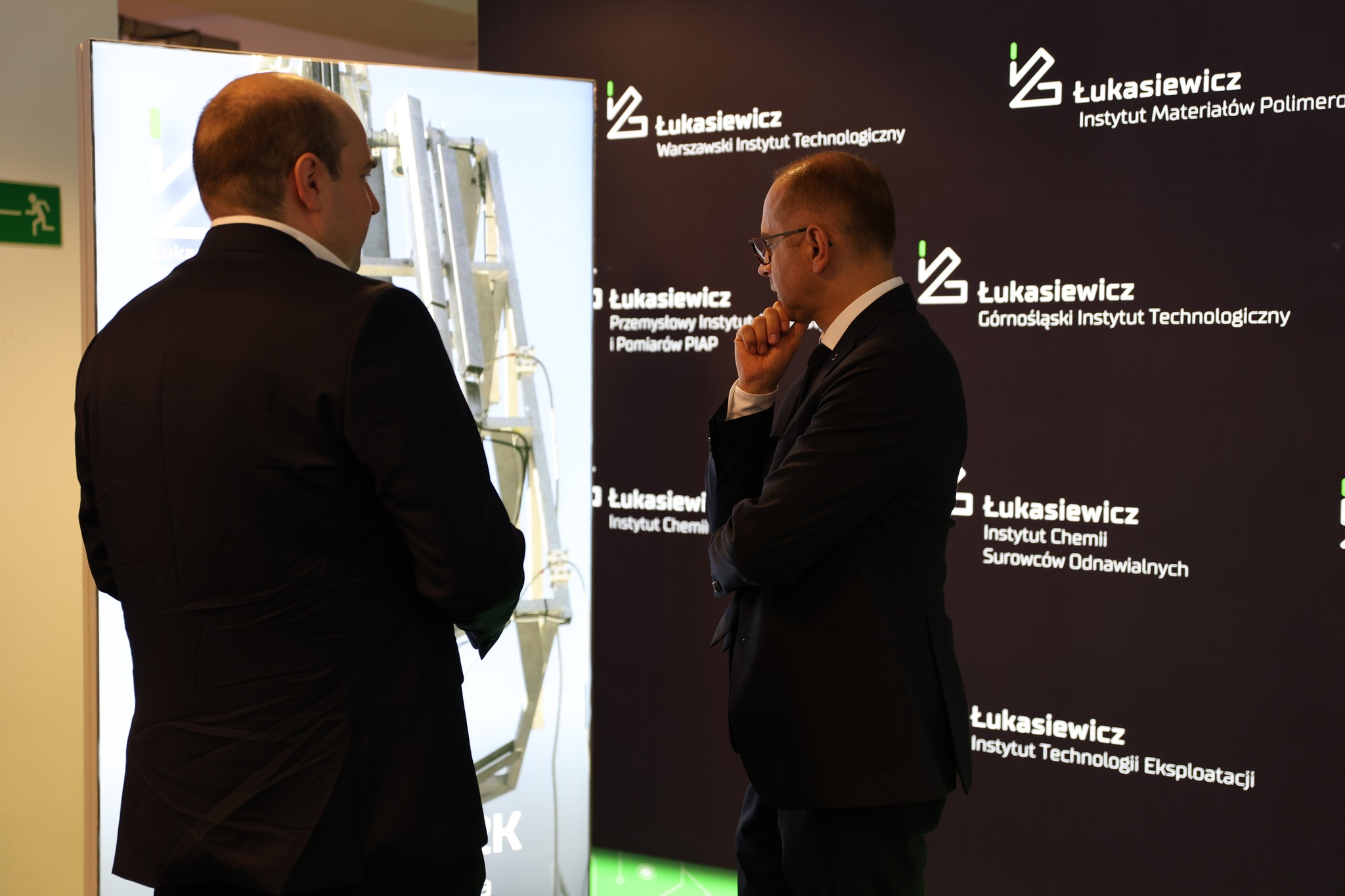
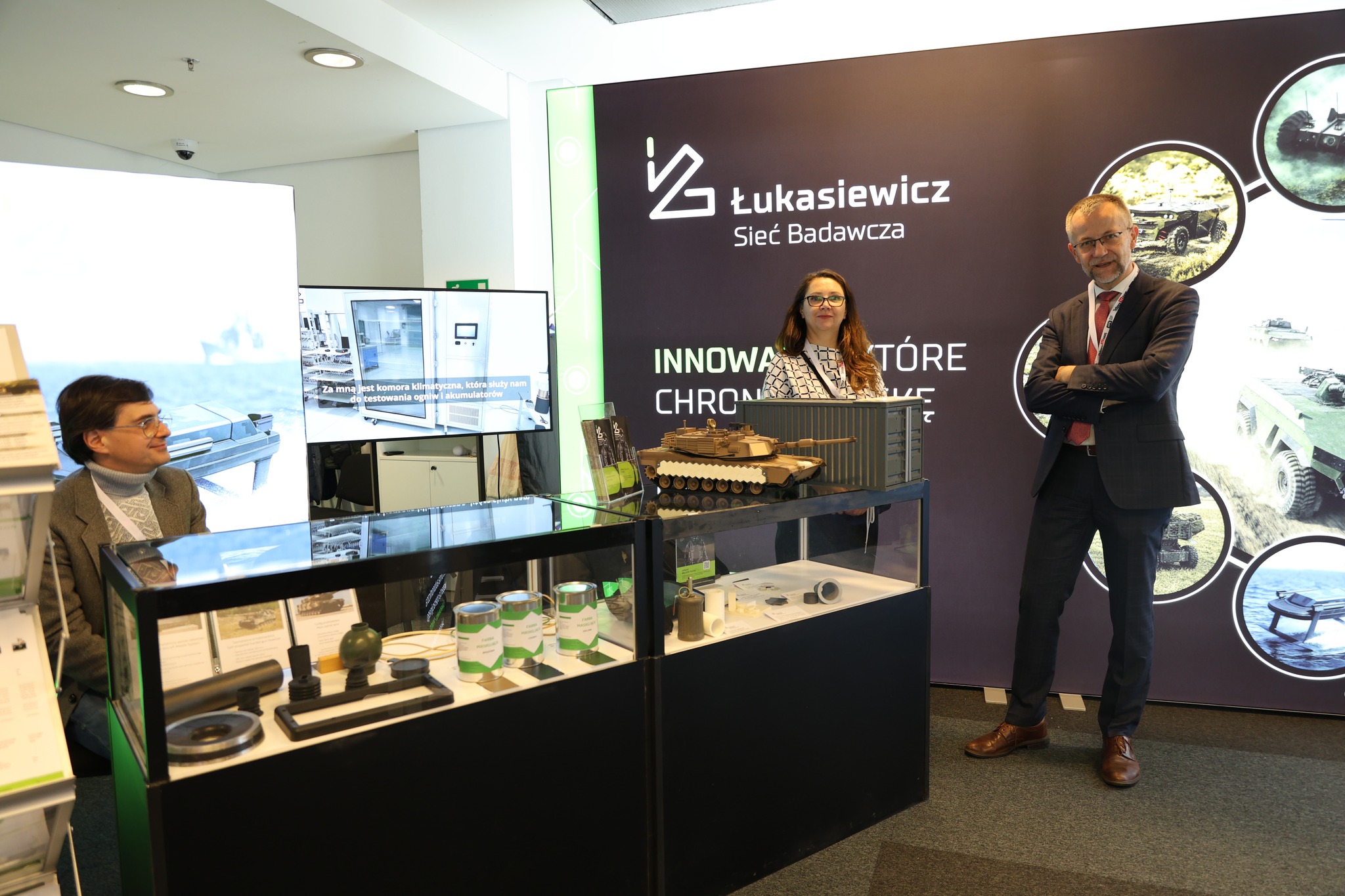
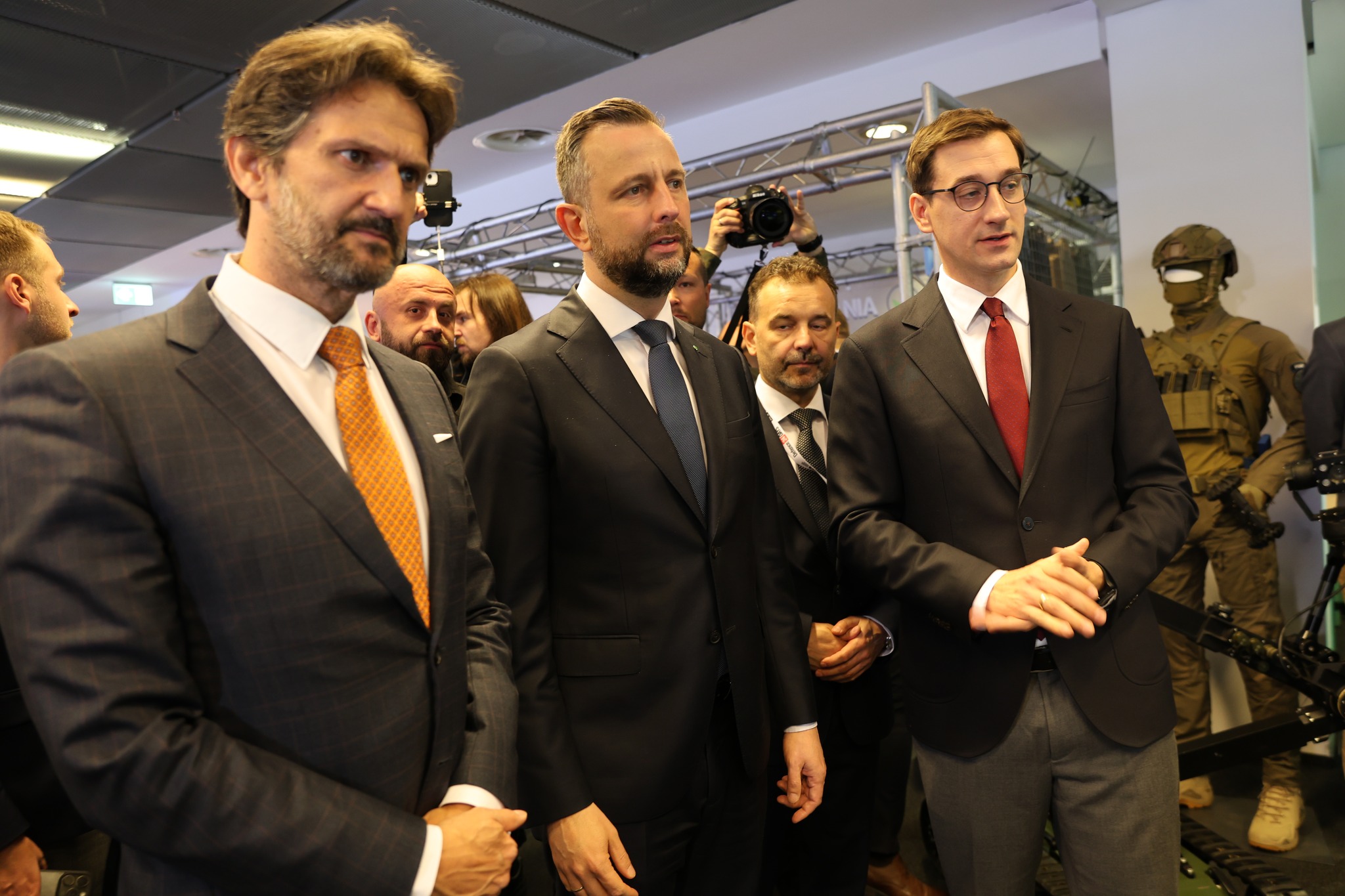
In addition to attending the speeches and debates, participants of the event could also visit the Łukasiewicz Research Network stand. Our experts presented defence solutions developed by 14 institutes. In addition to scientists, soldiers and military enthusiasts, we hosted key decision-makers. Among those who visited the stand were Deputy Prime Minister and Minister of National Defence Władysław Kosiniak-Kamysz, as well as Deputy Prime Minister and Minister of Defence of Slovakia Robert Kaliňák. Representatives of the Network also met with Deputy Speaker of the Sejm of the Republic of Poland Krzysztof Bosak.
On the second day, we hosted Krzysztof Gawkowski, Deputy Prime Minister and Minister of Digital Affairs; Stanisław Wziątek, Undersecretary of State at the Ministry of National Defence; and MEP Michał Szczerba. In addition, Łukasiewicz signed a cooperation agreement with Farada Group in the field of maritime unmanned systems.