Authors
Longina Madej-Kiełbik, Karolina Gzyra-Jagieła, Piotr Czarnecki, Wiesław Adamiec, Jagoda Jóźwik-Pruska, Łukasiewicz – Łódź Institute of Technology,
email to the corresponding authors: longina.madej-kielbik@lit.lukasiewicz.gov.pl, karolina.gzyra-jagiela@lit.lukasiewicz.gov.pl
Aim of the project
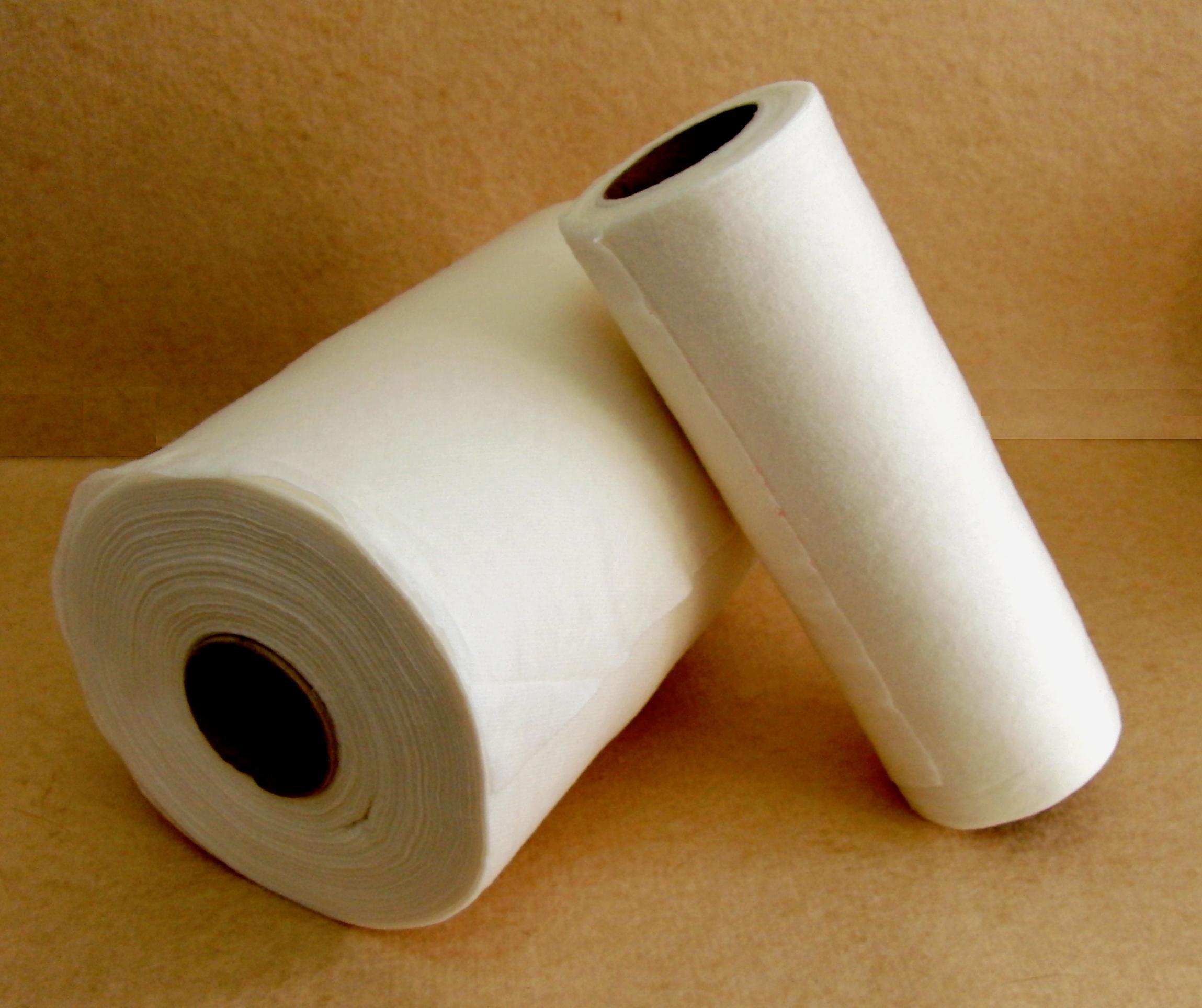
This study aimed to prepare biodegradable nonwoven fabric with an active layer based on chitosan. Chitosan has antibacterial and antiviral properties so it can be used as an active layer in various products. The use of chitosan as an active layer on a biodegradable nonwoven fabric allowed us to obtain a material that limits the growth of pathogenic bacteria, fungi, and viruses responsible for many diseases. To obtain a biodegradable nonwoven fabric, a spun-bonded technique was used. Two variants of the active layer based on polymers from the polysaccharide group were prepared. After application of the active layer to the nonwoven fabric the antibacterial and antifungal effect of the prepared composites was compared. The produced material with an active layer was also subjected to cytotoxicity and biodegradability tests.
Short description of the problem addressed by this project
Nonwoven fabric industry has grown significantly and now presents a broad array of engineered fiber and polymer-based products. The real challenge for the nonwoven fabrics industry where large volume production also means large volume of waste is the usage of biodegradable polymers. Environmental consciousness is one of the key requirements in designing and developing new products. The solution in this regard are biodegradable or compostable nonwoven fabrics which are the answer to the circular economy, especially in a long-term perspective. The use of biodegradable biopolymers such as polylactide (PLA), polyhydroxyalkanoate (PHA), polyhydroxybutyrate (PHB) and mixtures thereof has become increasingly popular in recent years. Nonwoven fabrics belong to one of the fastest-growing textile sectors. They are flat, porous plastics made by mechanical, thermal, or chemical entangling of fibers. These nonwoven fabrics can be produced from synthetic and natural fibers or directly from polymers/biopolymers by various techniques involving web creation and bonding. Such solutions are applied mainly in the cosmetics, medical, and agricultural industries.
Main results and achievements
According to the project, the result of the activities carried out was the production of:
– biodegradable nonwoven fabric,
– active layer,
– biodegradable nonwoven fabric with an active layer.
All prepared samples (after sterilization) were tested for antibacterial activity. Selected microorganisms such as Escherichia coli (ATCC 11229) and gram-positive Staphylococcus aureus ATCC 6538 were used for the study. In addition, the active layer material was tested for cytotoxic and antifungal properties.
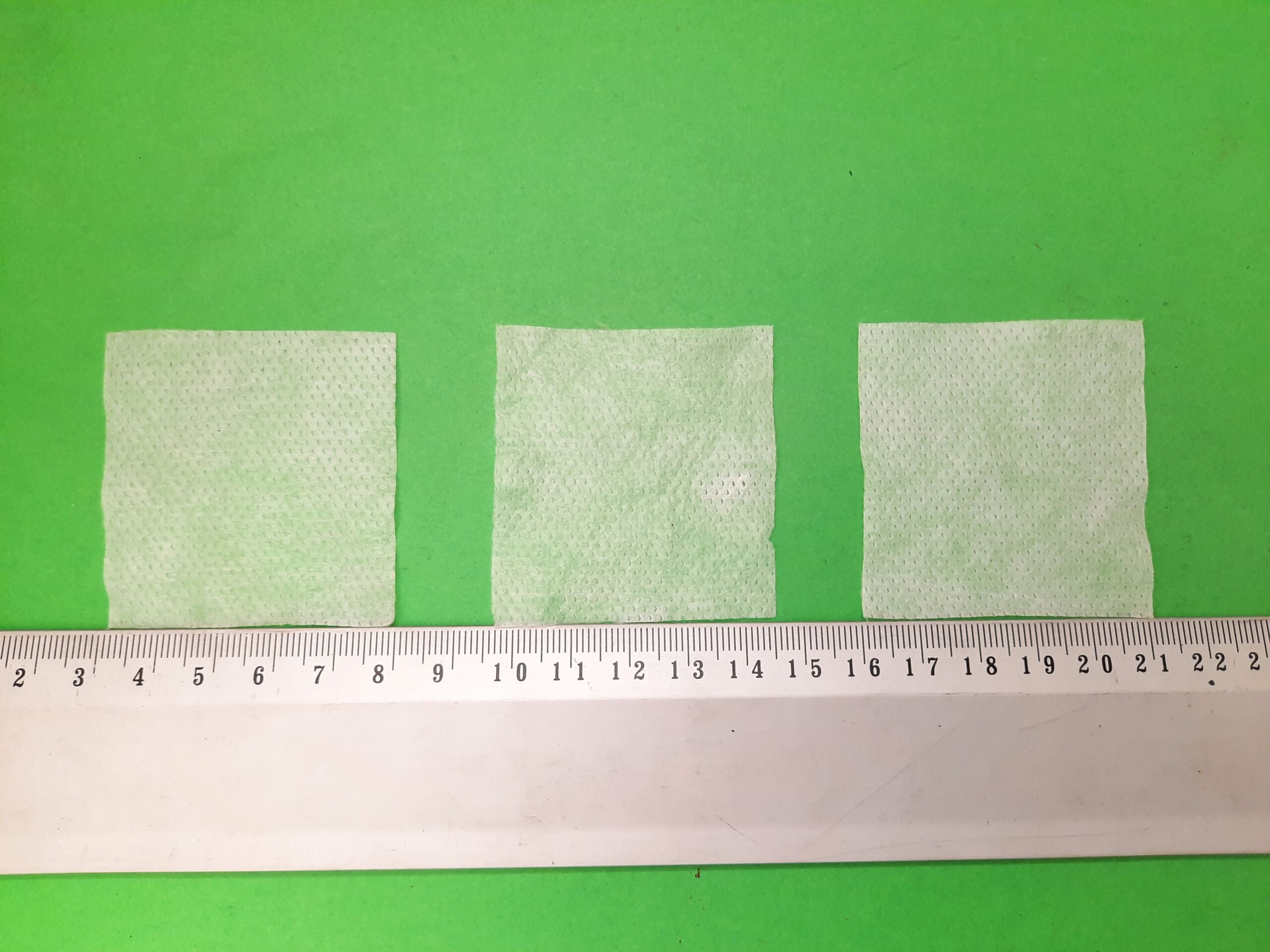
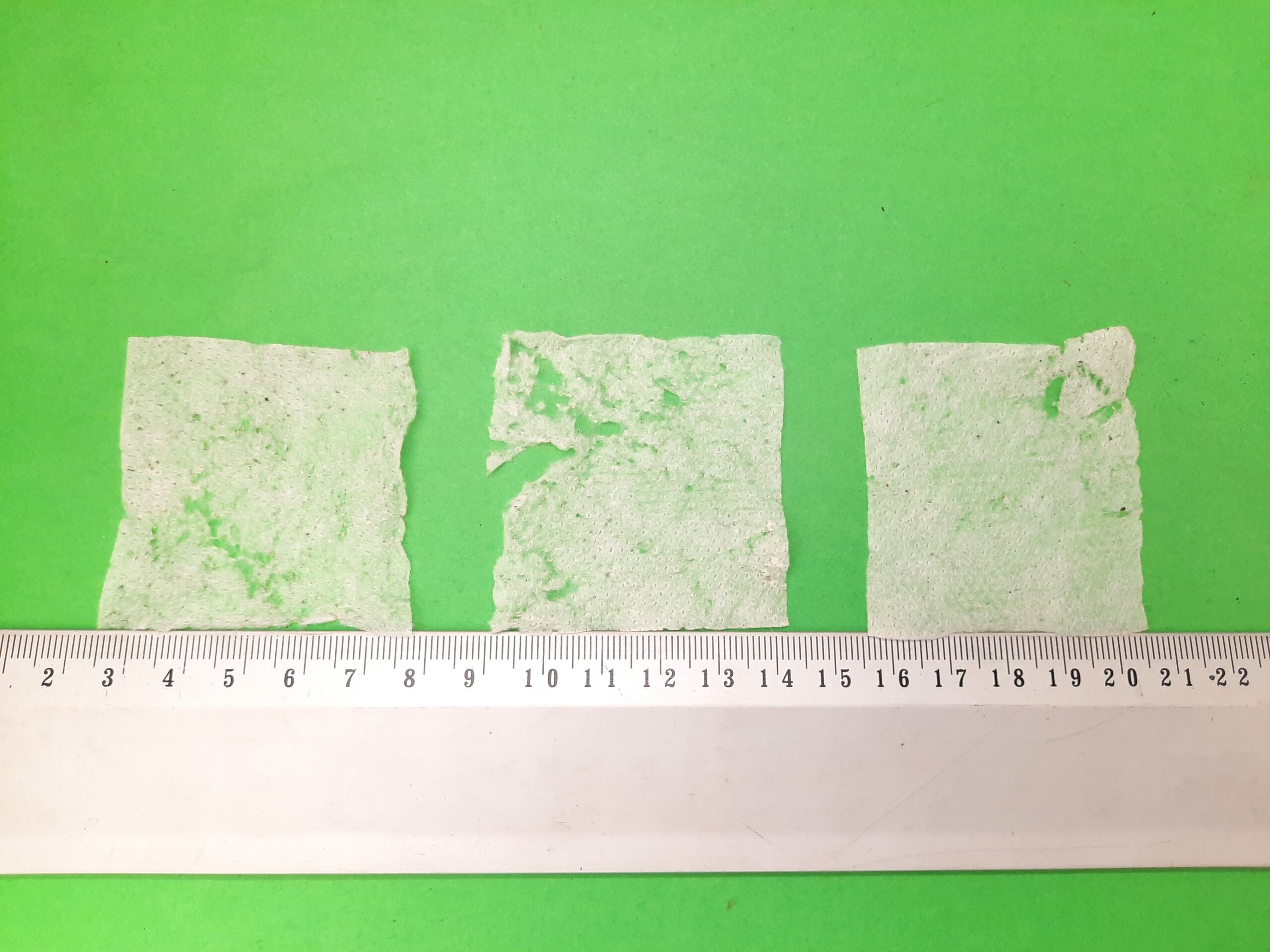
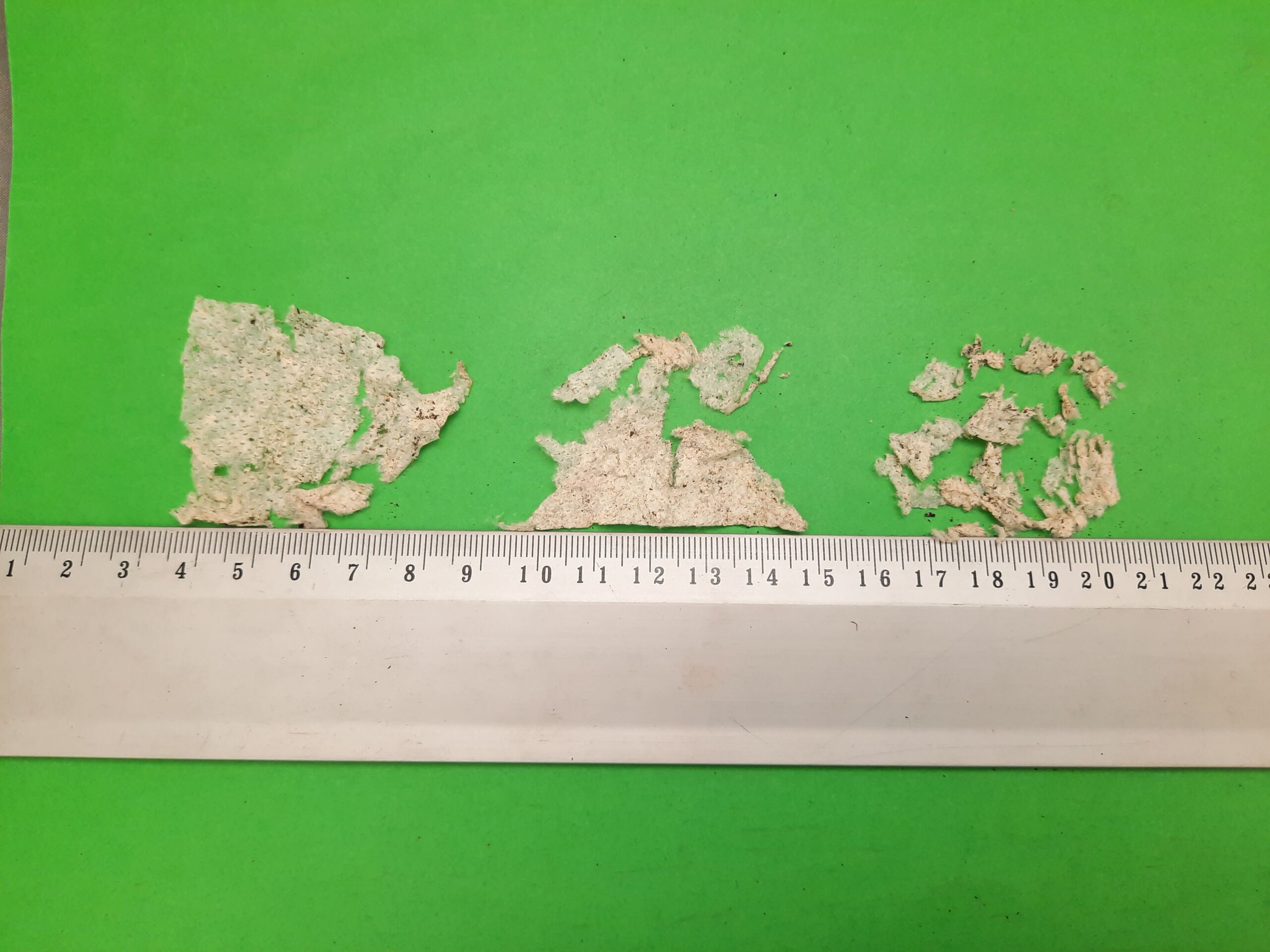
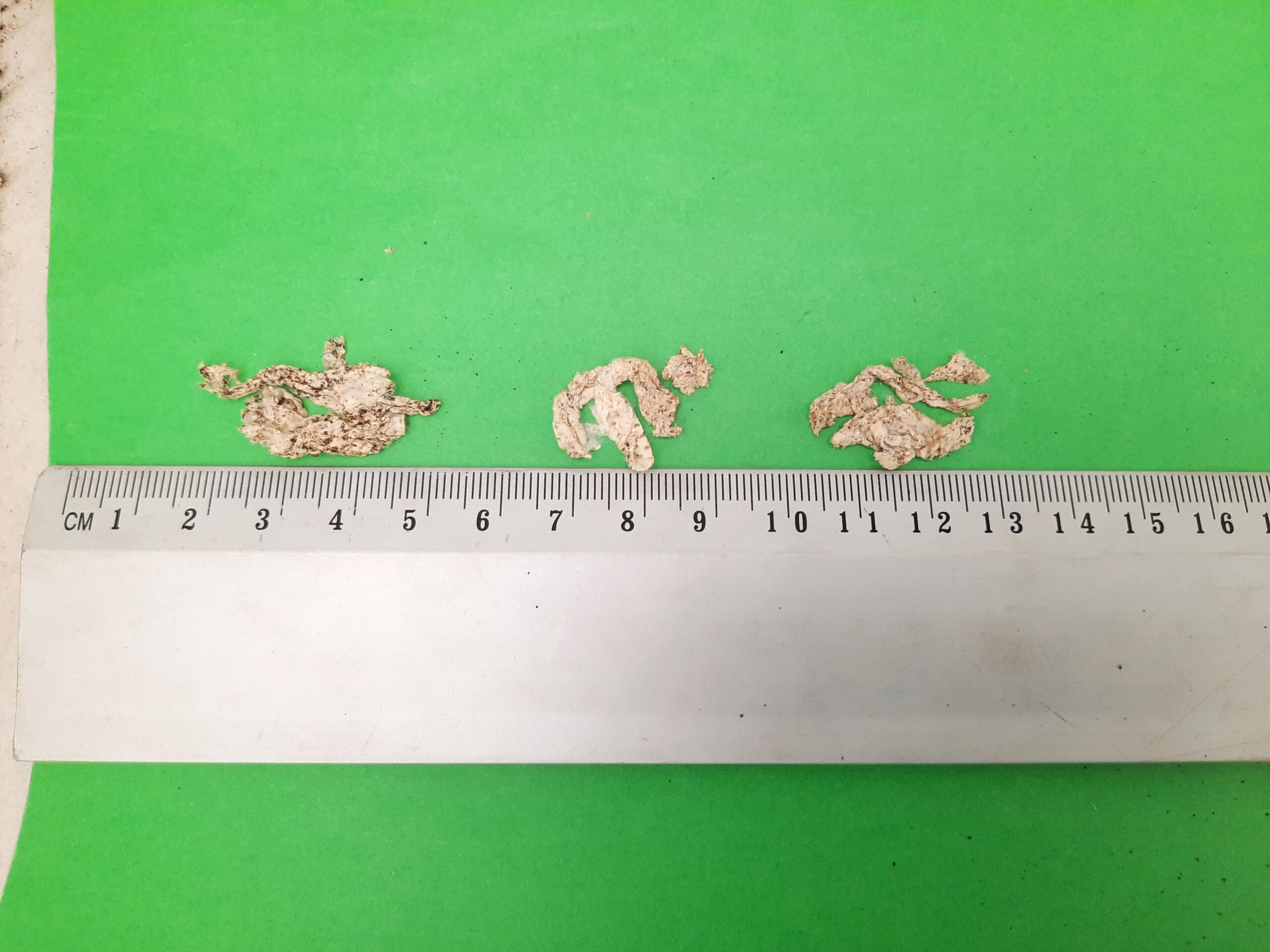
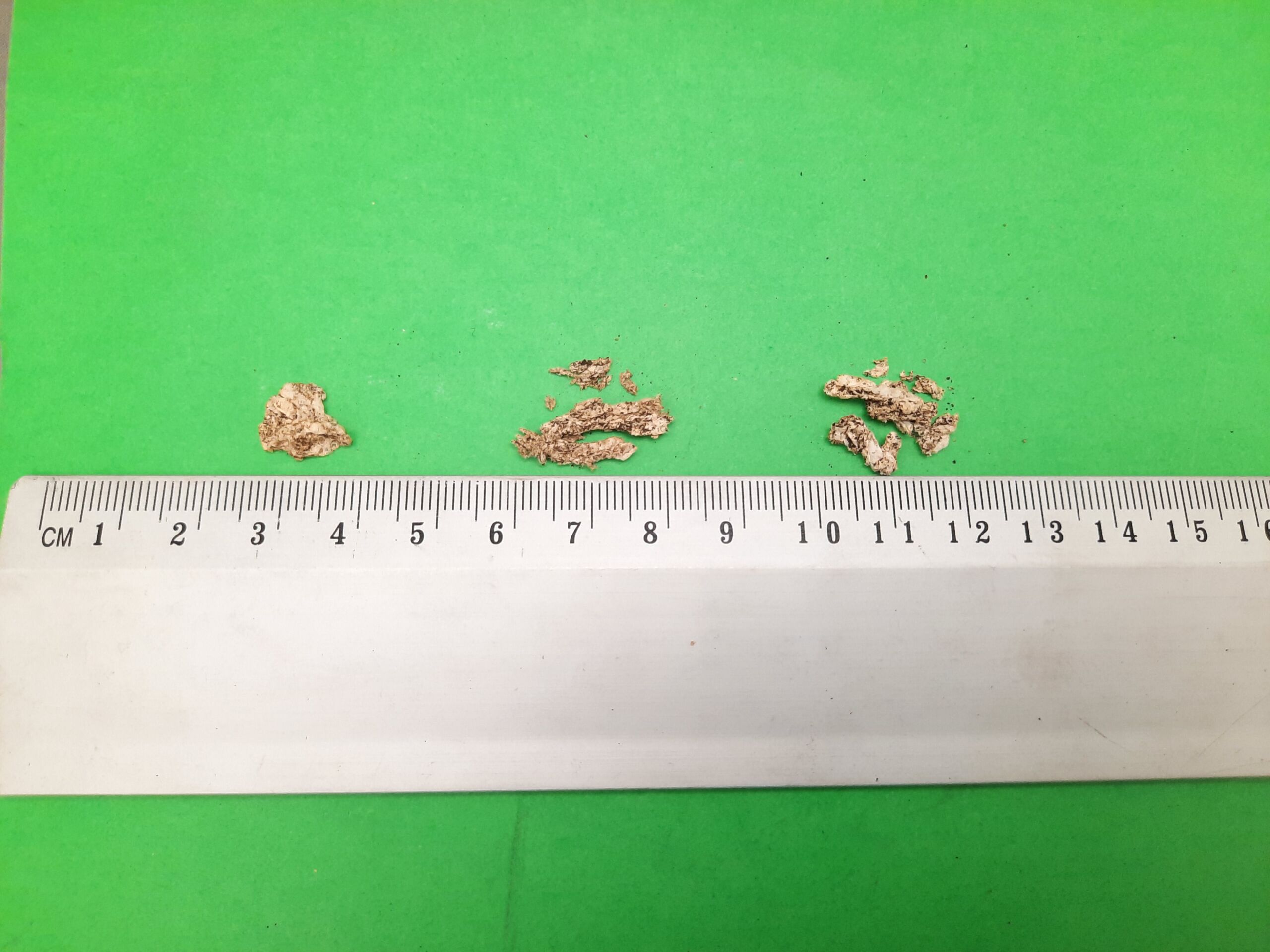
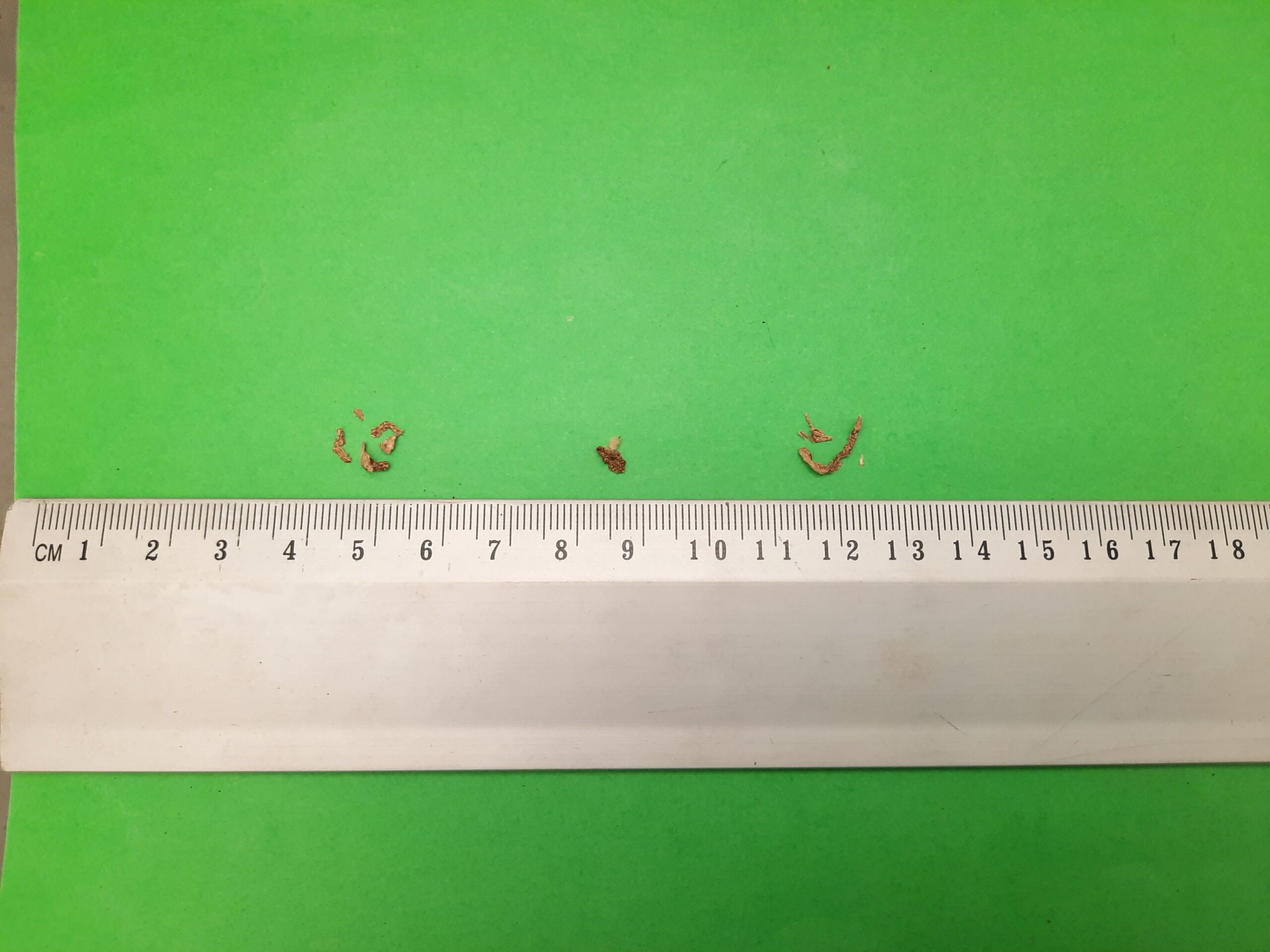
The obtained material was subjected to biodegradation tests in the compost environment. As a result of the work carried out, after 24 weeks a mass loss of 91% was confirmed, which made it possible to conclude that the tested material is biodegradable.
Conclusion
The obtained nonwoven fabric without the active layer does not have any antibacterial effect. Nonwoven fabric with an active layer has a strong antibacterial effect against S. aureus and E. coli bacteria. Moreover, nonwoven fabric with an active layer does not have cytotoxic properties.
Acknowledgements
This research was funded by the state budget, project of the President of Łukasiewicz Center, grant number 2/Ł-IBWCH/ZP/2021.