Authors
Konrad Małek, Łukasiewicz Research Network – Automotive Industry Institute (Łukasiewicz-PIMOT), Research Group for New Automotive Technologies, Jagiellońska 55, 03-301 Warsaw, Poland, konrad.malek@pimot.lukasiewicz.gov.pl
Aim of the project
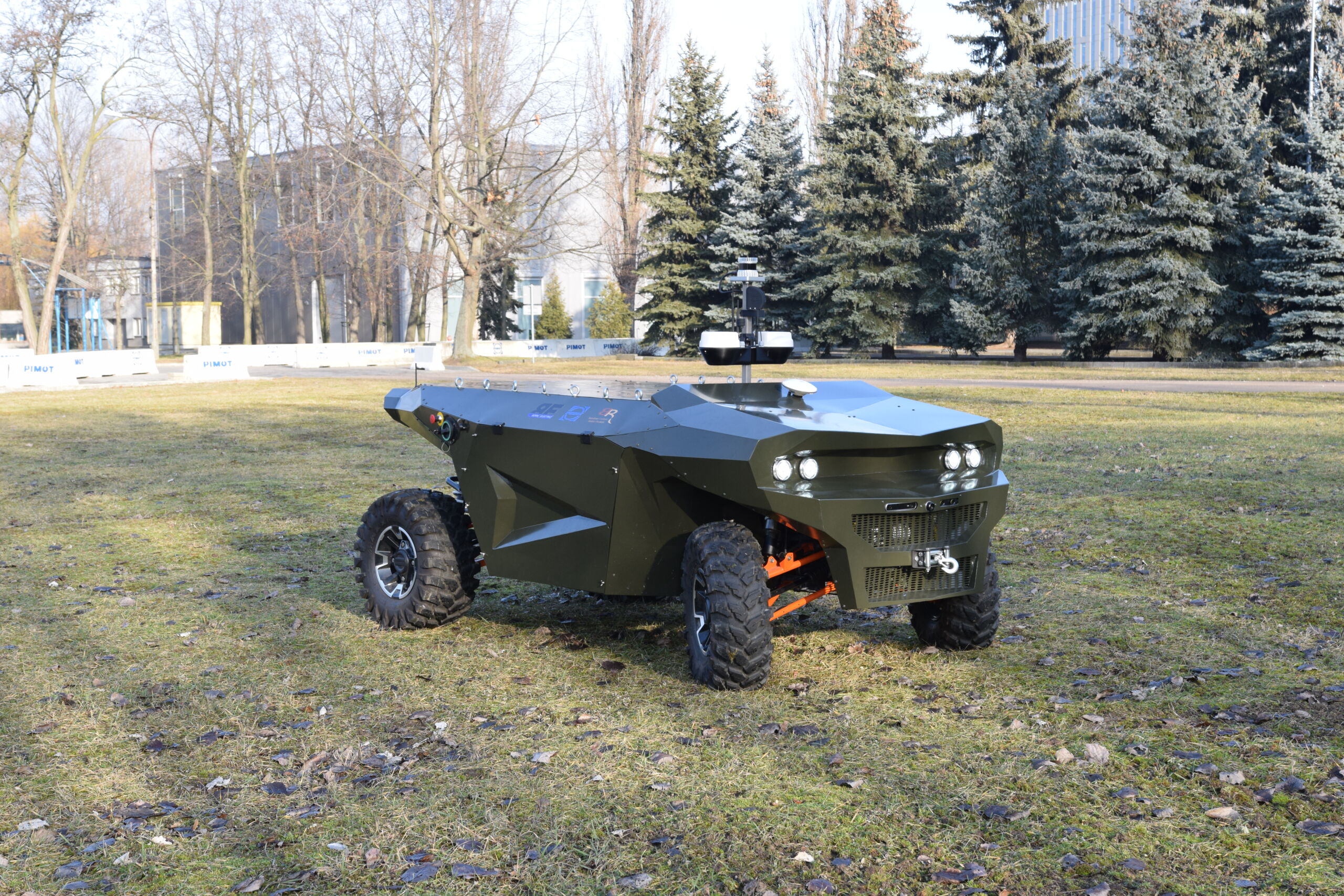
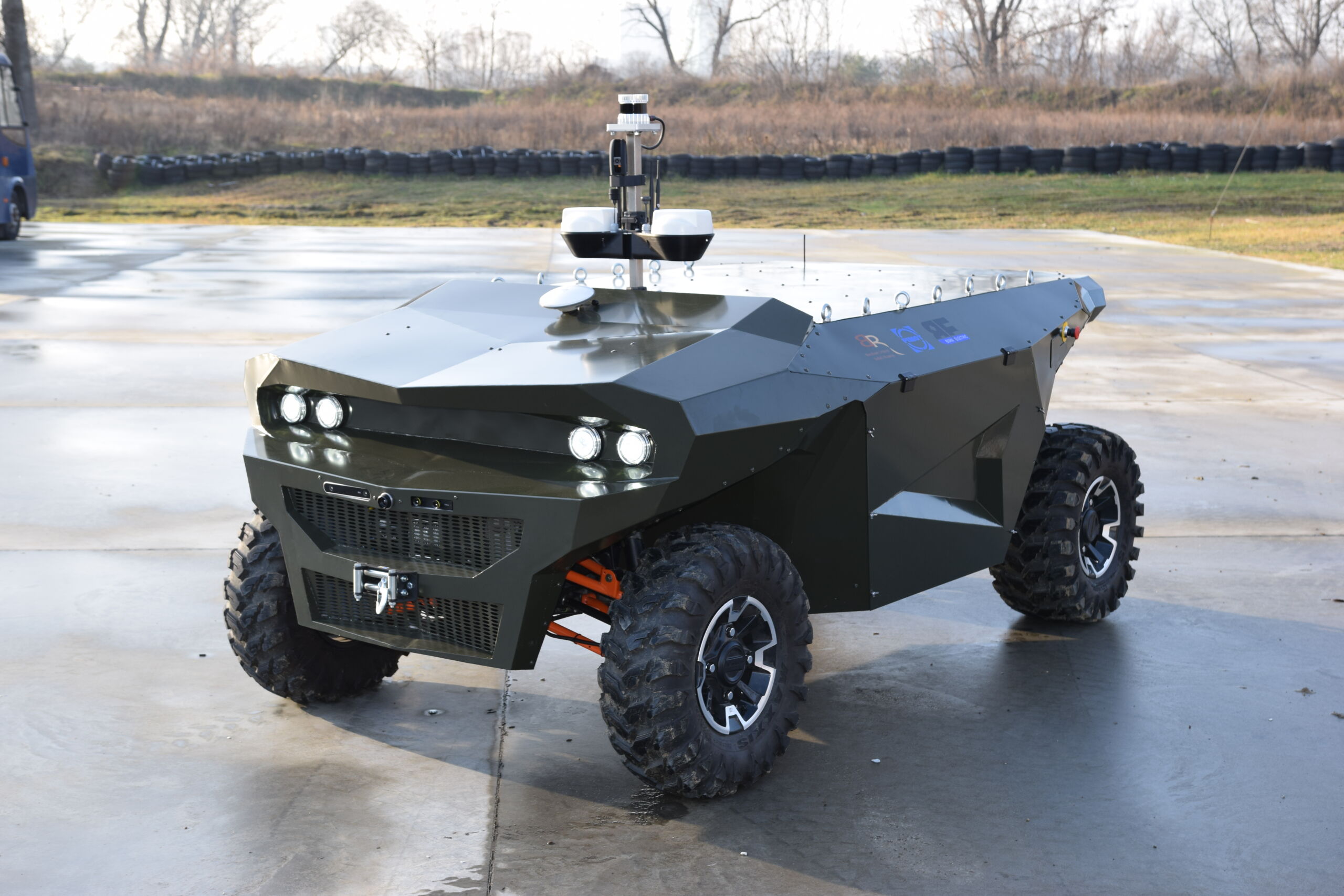
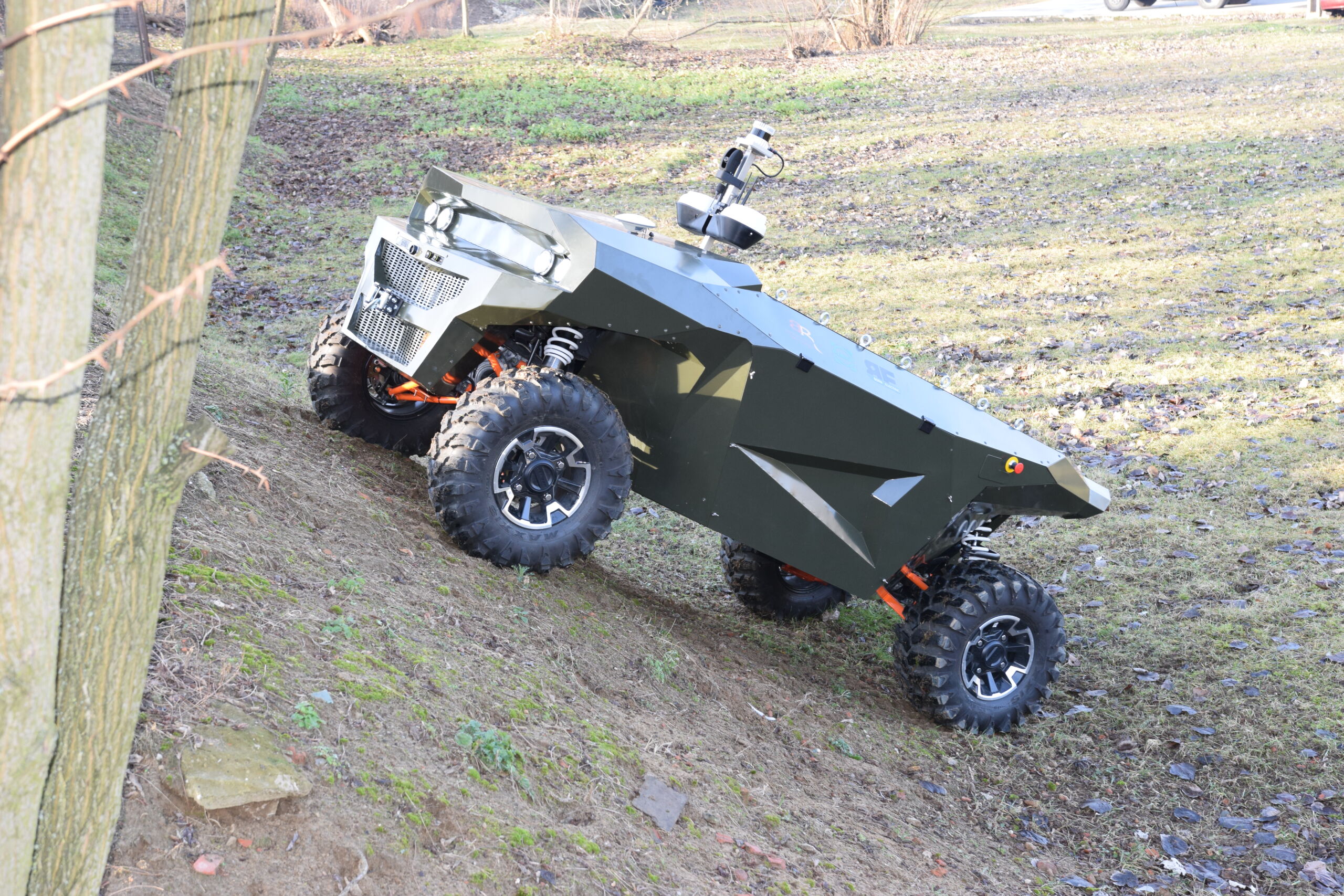
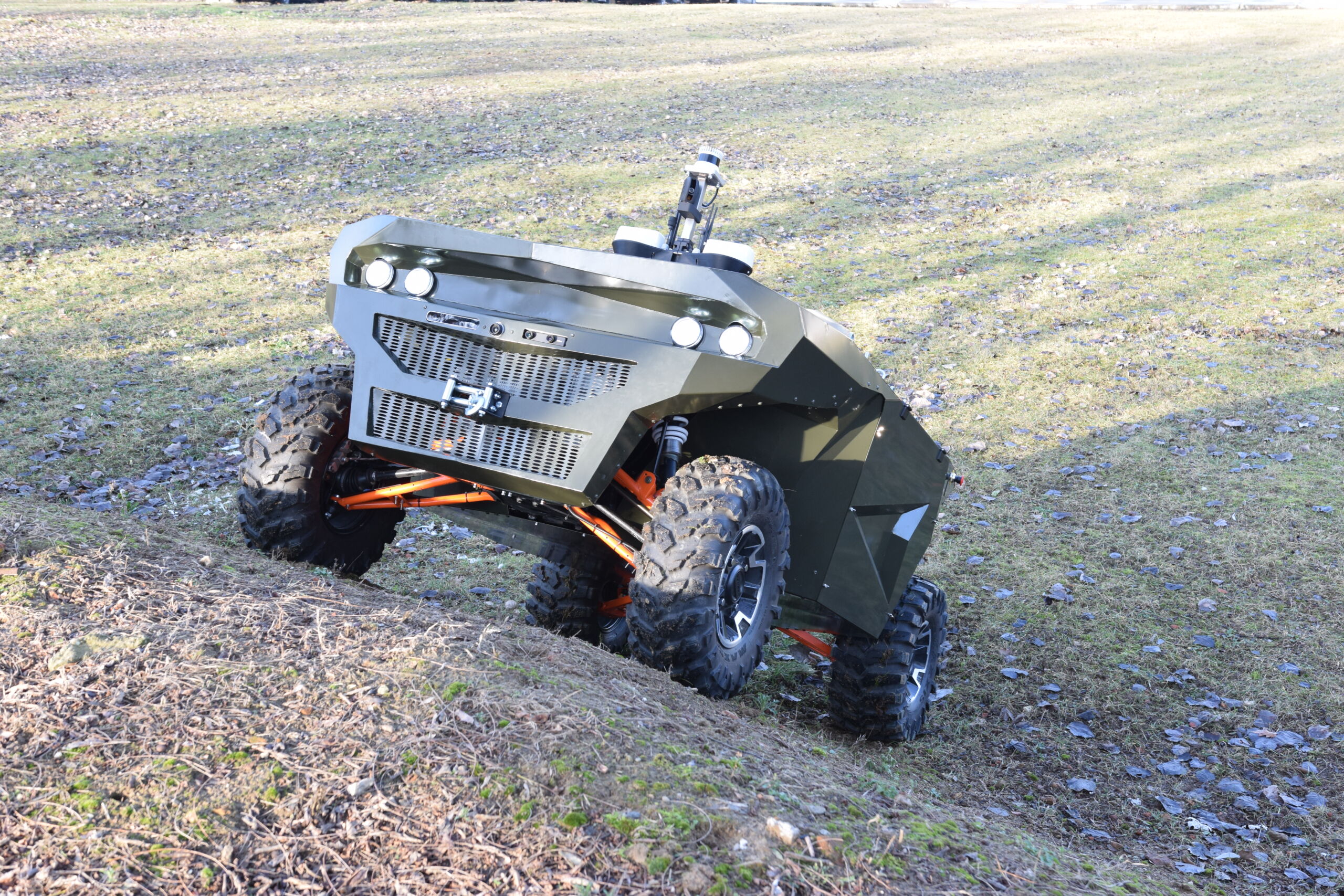
The primary objective of the project was to create a cutting-edge unmanned ground vehicle, attaining level 6 of technological readiness (TRL). This vehicle, tailored for use by uniformed services, stands out for its ability to operate in both remote control mode and autonomous driving. A pivotal aspect of the project was the integration of an electric drive that distributes torque to all wheels of the vehicle, a feature that sets it apart from other vehicles in its class.
Short description of the problem addressed by this project
The project’s central challenge was to devise a vehicle control system that could facilitate autonomous or remote operation. This necessitated the creation of an autonomy system with a wide range of capabilities, including terrain mapping, vehicle localization, route planning, and identification and detection of surrounding objects. The successful development of this system was a testament to the project’s technical expertise.
Main results and achievements
- Development of a construction project for an unmanned electric vehicle achieving nearly 100 km range on a single battery charge.
- Development of drive-by-wire systems.
- Development of software for controlling key vehicle components.
- Development of the autonomy systems enabling safe vehicle movement from point A to point B in confined spaces, utilizing integrated satellite and inertial navigation, daylight cameras, thermal imaging cameras, and lidar.
- Conducting comprehensive research of the vehicle and its subsystems in the laboratory and real-world-like conditions.
Conclusion
The assumed goals and indicators were achieved in the PAWO project. It reached level 6 of Technological Readiness (TRL) with the unmanned vehicle prototype. An unmanned electrically powered vehicle was developed within the project scope and adapted for autonomous and remote operation. Throughout the project execution, research was conducted in laboratory conditions and simulated real-world scenarios, confirming the proper functionality of the vehicle’s systems.
Acknowledgments
The National Center for Research and Development financed the project as a part of the competition for Young Scientists for National Defense and Security.