Authors
Mariusz Walkowiak, Łukasiewicz Research Network – Institute of Non-Ferrous Metals, e-mail: mariusz.walkowiak@imn.lukasiewicz.gov.pl
Waldemar Sołopa, Łukasiewicz Research Network – Institute of Non-Ferrous Metals, e-mail: waldemar.solopa@imn.lukasiewicz.gov.pl
Aim of the project
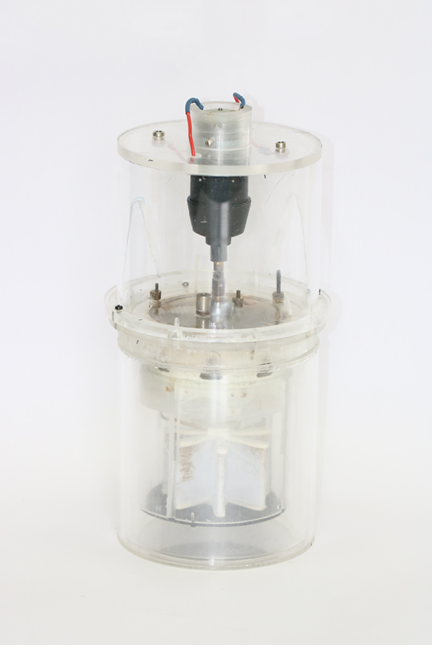
The project aims to optimize and improve a prototype of an energy storage unit based on innovative Zinc-Air technology. The technology is expected to reach TRL6. Some critical subsystems of the module are being redesigned, and the battery is being tested electrically to assess its performance in realistic operation conditions.
Short description of the problem addressed by this project
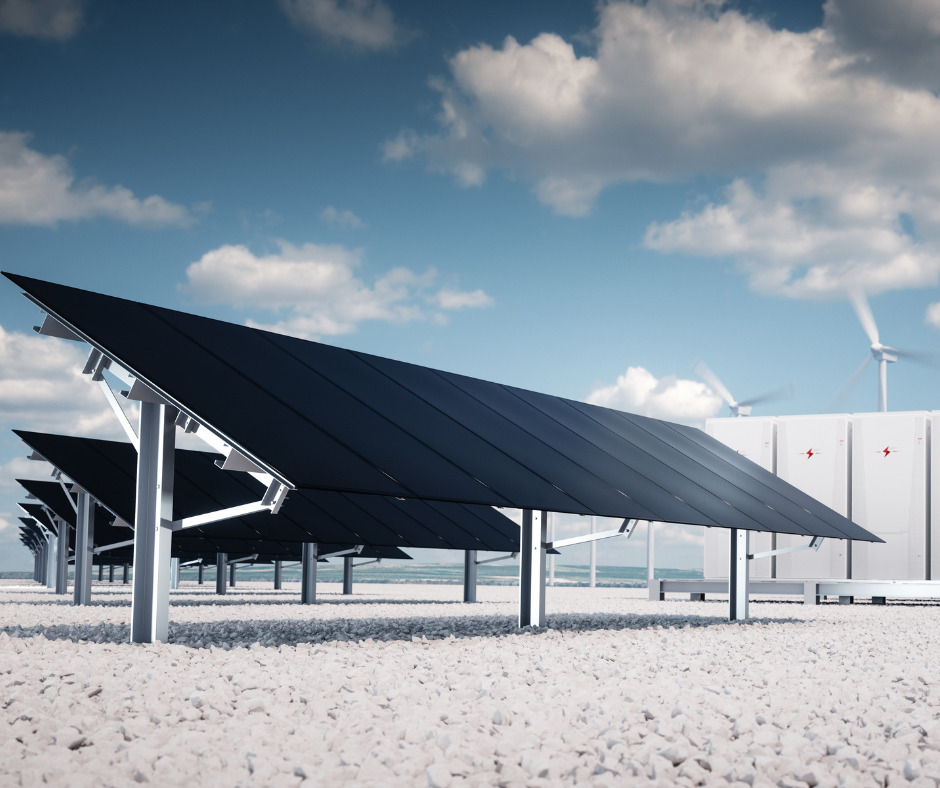
Stationary energy storage is based on Li-Ion battery technologies that are known to be reaching the physical limits of further development. They are also not ideally suited to stationary applications such as buffering electrical grids or providing energy to individual households due to safety issues and relatively short duration of the power delivery. They also utilize many expensive and critical elements. Because of this, there is an urgent need to develop innovative stationary energy storage technologies based on inexpensive and abundant raw materials that are intrinsically safe and able to be manufactured in Europe.
Main results and achievements
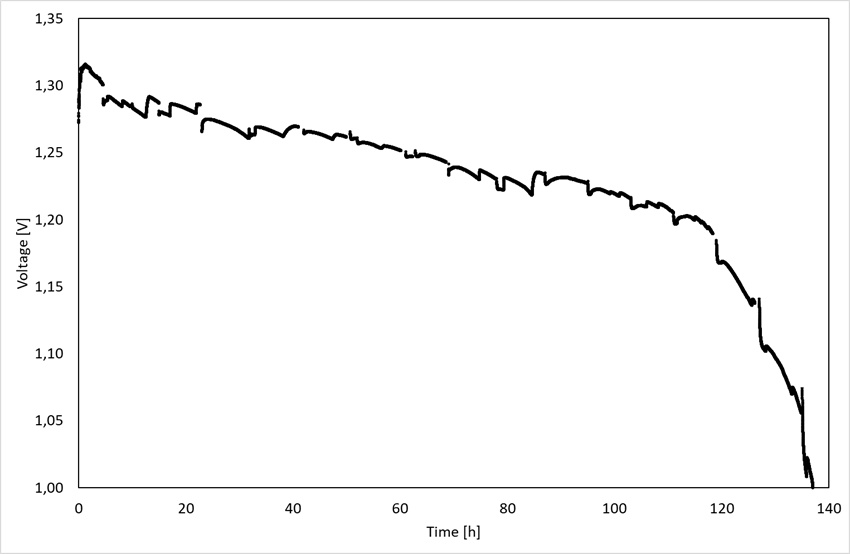
The project has reached significant milestones, resulting in the development of a prototype single electrochemical cell using an innovative Zn-Air technology. This breakthrough overcomes previous limitations of the concept by using two separate electrical circuits for charging and discharging, as well as an innovative mechanical subsystem for zinc recovery. The module has been equipped with a unique, dedicated electronic battery management system that optimizes the battery charging efficiency. Electrolyte composition has been optimized for higher storage capacity. Critical components of the battery have been redesigned and improved, including a gas exchange electrode based on porous carbon tape, a magnesium electrode for zinc deposition, and a nickel electrode for oxygen evolution. The module has been shown to work properly over a long period of time without visible deterioration. The registered discharge curves provide evidence of effective electrochemical processes and favorable operational parameters. The module is easily scalable and can be regarded as a promising concept for large-scale energy storage units complementing the renewable energy systems and operating as prosumer batteries, especially in remote locations.
Conclusion
- The project’s result is an improved prototype of a novel energy storage unit based on an innovative Zn-Air concept.
- Critical operational parameters of the system have been confirmed by electrical tests, demonstrating favorable characteristics.
- The developed technology can be regarded as a promising alternative to the current state-of-the-art technologies of stationary energy storage, offering low cost, enhanced safety, and strategic independence of the European economy in terms of critical raw materials or batteries.
Acknowledgments
The Optimization and Development of Stationary Zinc-Air Energy Storage System project was implemented with financing from the subsidy of the Polish Ministry of Education and Science.