Authors
Anna Arendarczyk, PhD
Łukasiewicz Research Network – Institute of Industrial Organic Chemistry Branch Pszczyna
e-mail: anna.arendarczyk@ipo.lukasiewicz.gov.pl
Aim of the project
Static mesocosm systems are not just used to assess the risk posed by the introduction of chemicals into water and soil matrix. They are carried out in the field and mimic natural ecosystems, providing a comprehensive assessment of the effects of a chemical on selected, closely related aquatic ecosystem parameters. This approach allows us to include relevant aspects such as indirect effects, biological compensation, recovery time, and ecosystem resilience, ensuring a thorough and comprehensive understanding of the chemical’s impact.
Short description of the problem addressed by this project
The market for ecotoxicological testing, which verifies the risks posed by the use of plant protection products, pharmaceuticals, and cosmetics, is highly specialized and regulated by international guidelines. Current approach strategy for assessing the risk of chemical emissions into the environment aims to assess the impact of the aforementioned products on complex biological systems. Our project not only clearly responds to the expectations of chemical industry companies but also positions the Łukasiewicz Research Network-Institute of Industrial Organic Chemistry Branch Pszczyna as a leading research unit in this area. We are the only research center in Poland that offers unique mesocosm studies testing in accordance with the Good Laboratory Practice standard, providing a level of expertise and capability that is unmatched in the country.
Main results and achievements
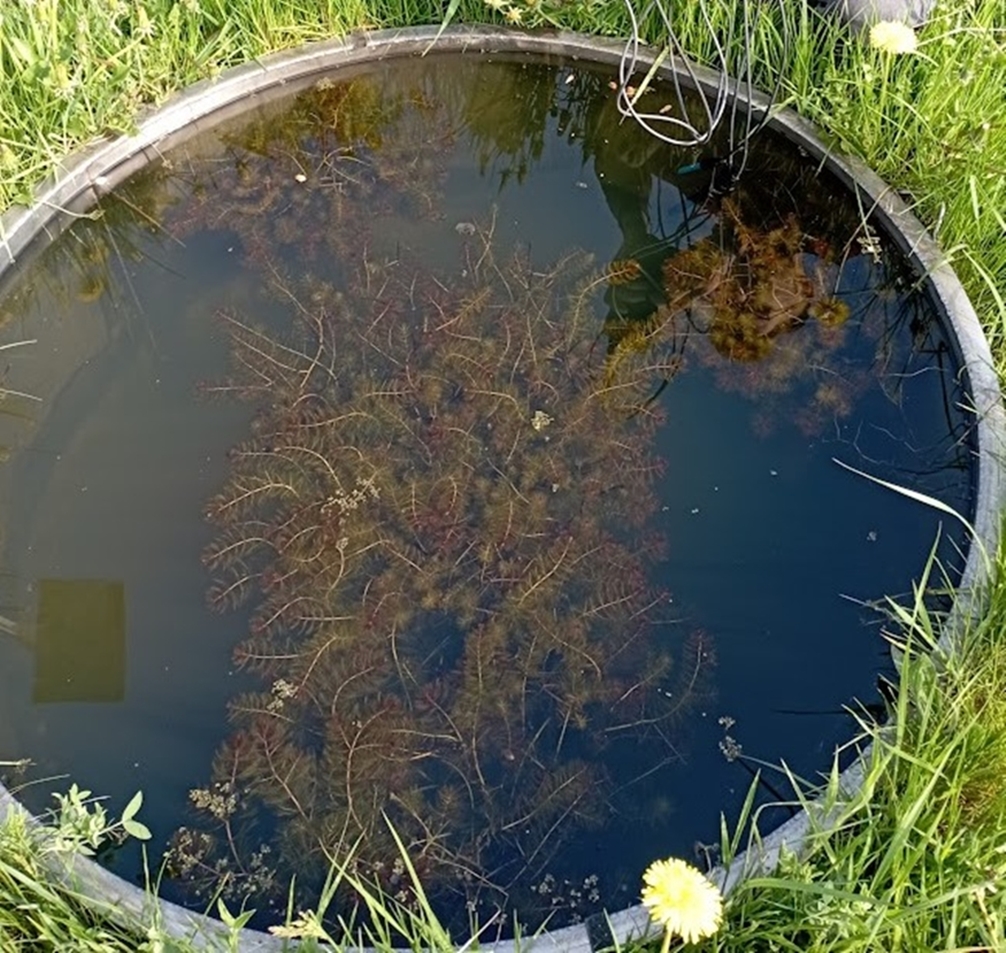
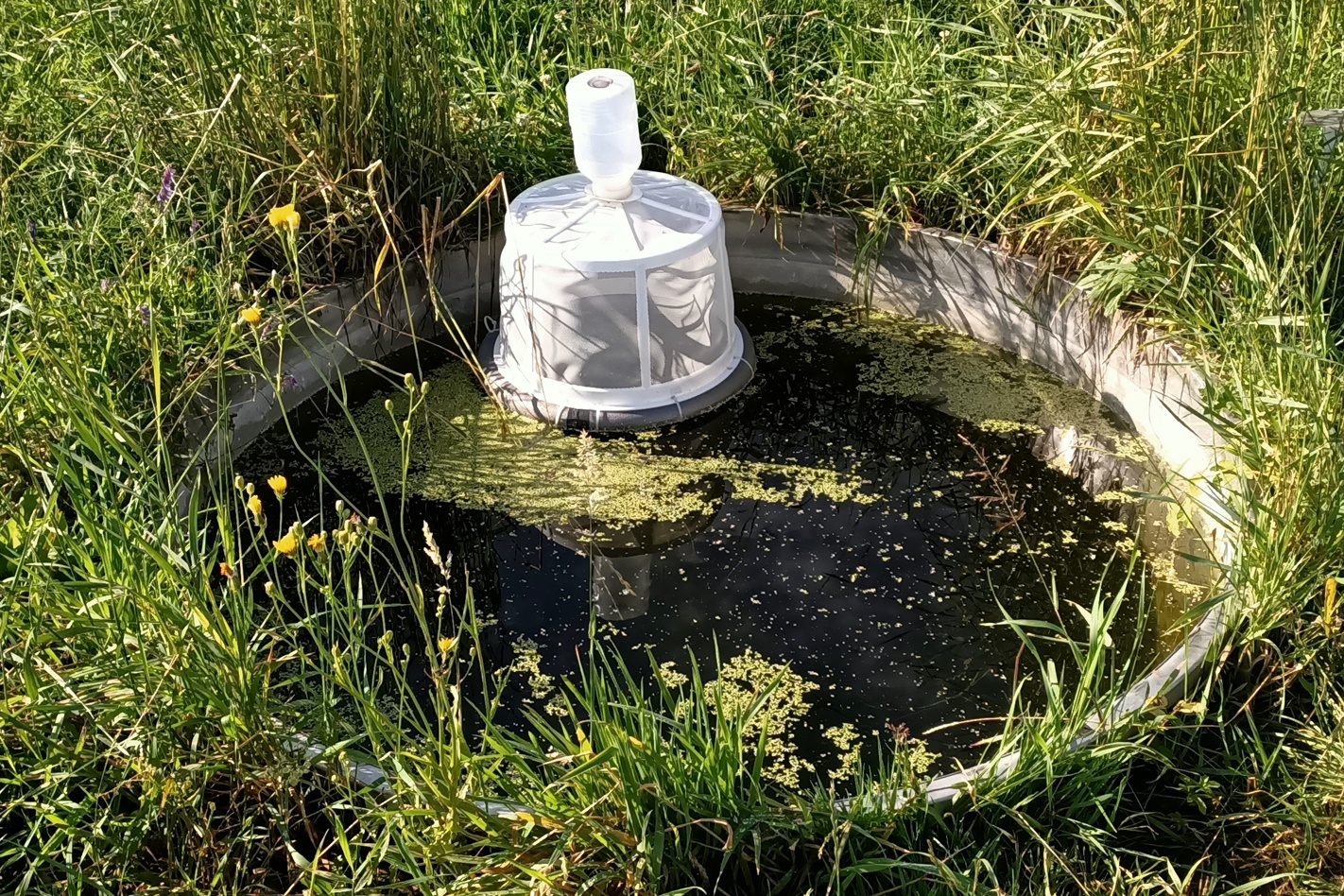
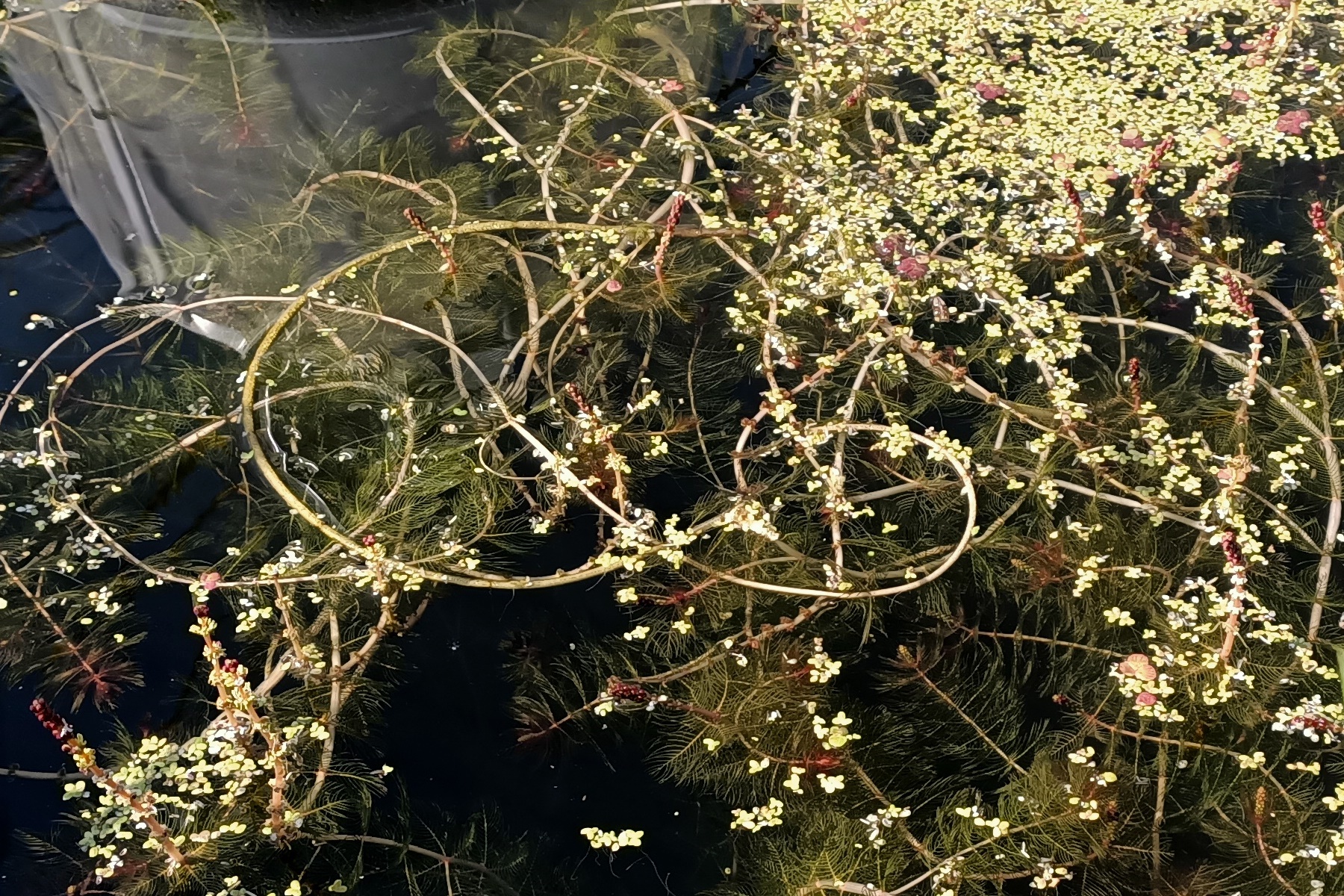
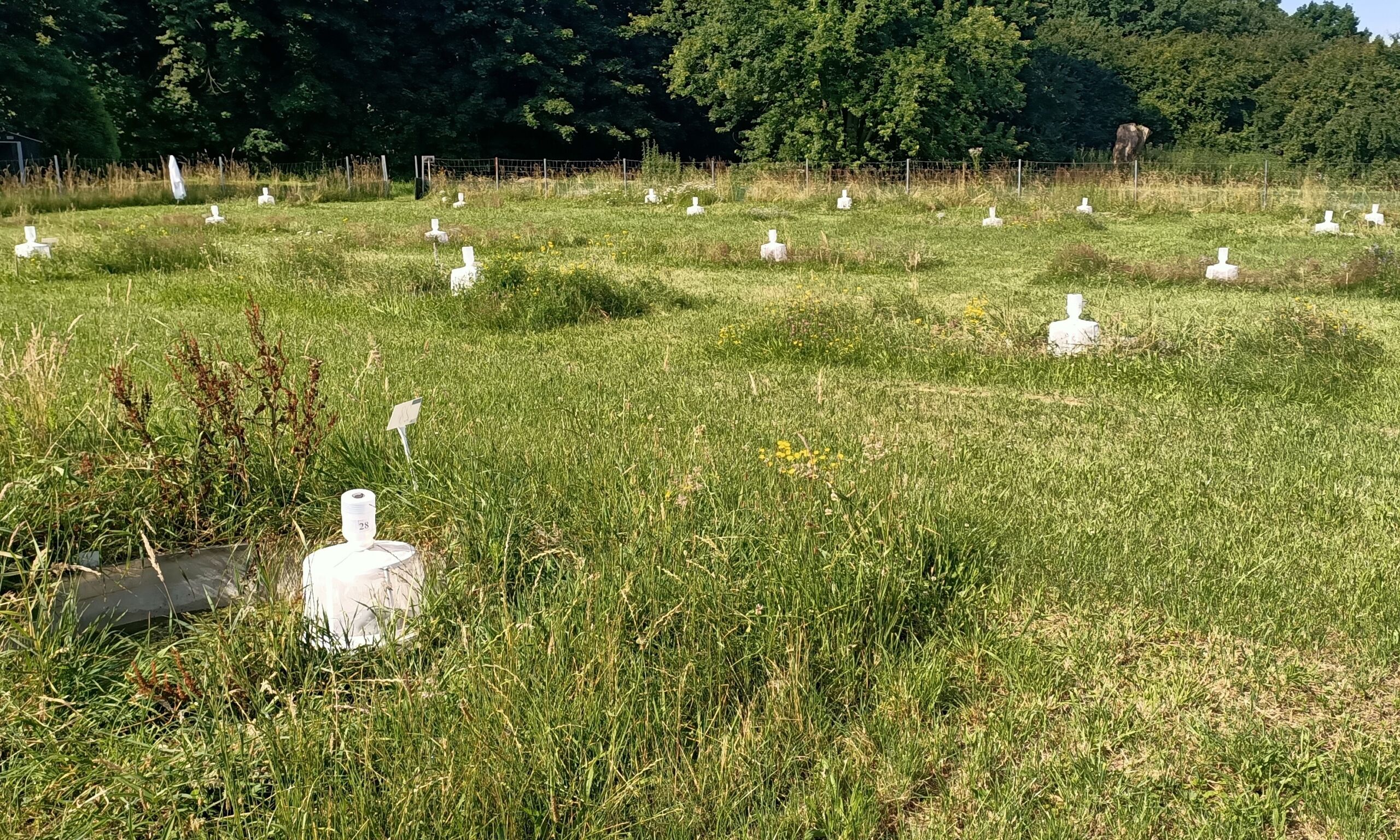
Mesocosm studies are performed in acid-resistant, stainless-steel tanks settled in the ground. The total water volumes used in the test are about 1000 or 1800 L with a 12–15 cm sediment layer provided in each tank. In addition to the natural colonization, to develop communities suitable to meet the study objectives, organisms (macrophytes and invertebrates) from external sources are added. Testing equipment is used to determine the physico-chemical parameters of the water and concentrations of applied pesticides. Water and sediment samples for biological determinations are taken before and during the entire exposure period. Biological analysis includes:
- analysis of chlorophyll a in water,
- qualitative and quantitative (biomass) analysis of phytoplankton,
- qualitative and quantitative (number of individuals) analysis of zooplankton,
- qualitative and quantitative (number of individuals) analysis of benthos,
- qualitative and quantitative (number of individuals) analysis of insects (diving and flying imago forms),
- quantitative (number of individuals) analysis of periphyton.