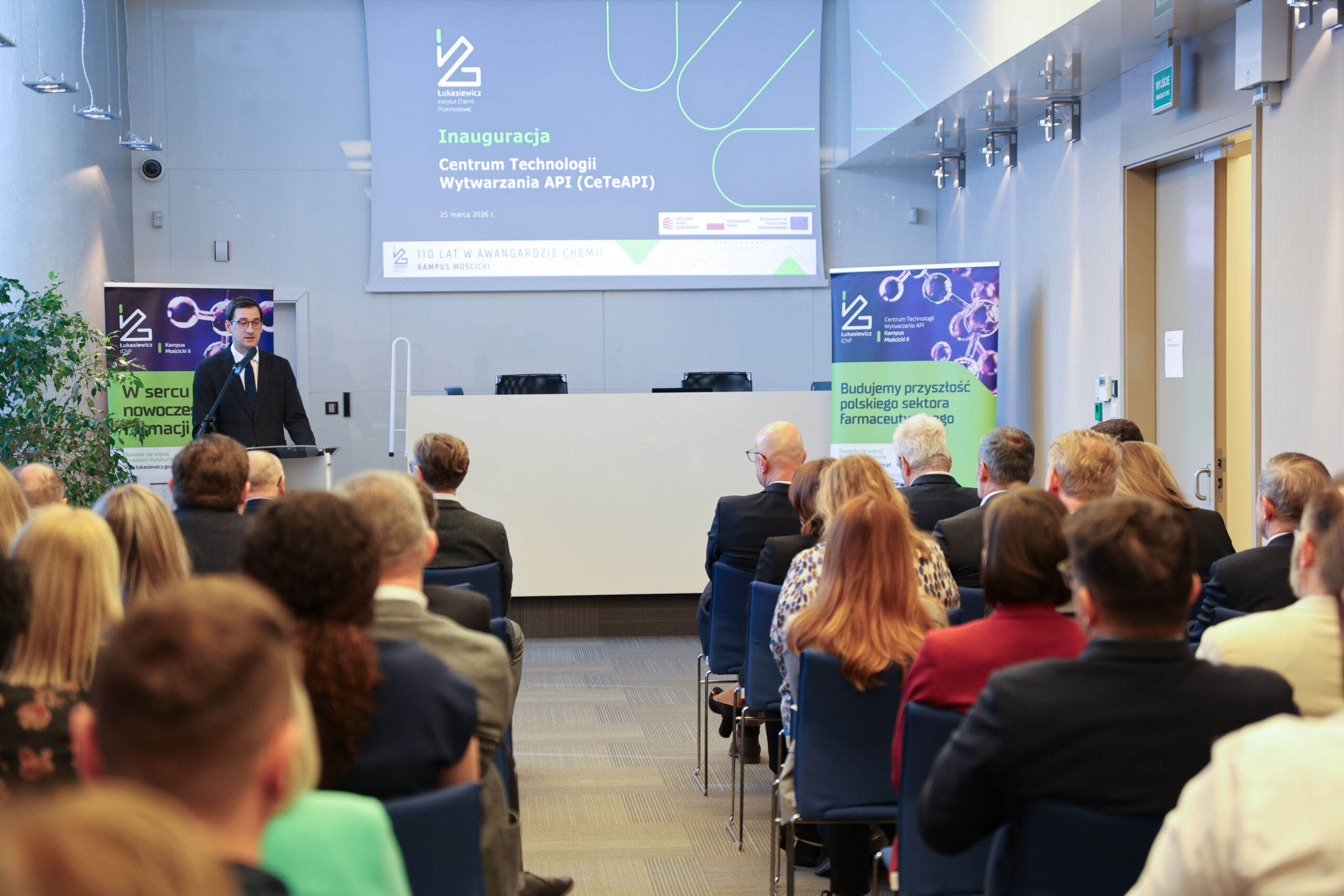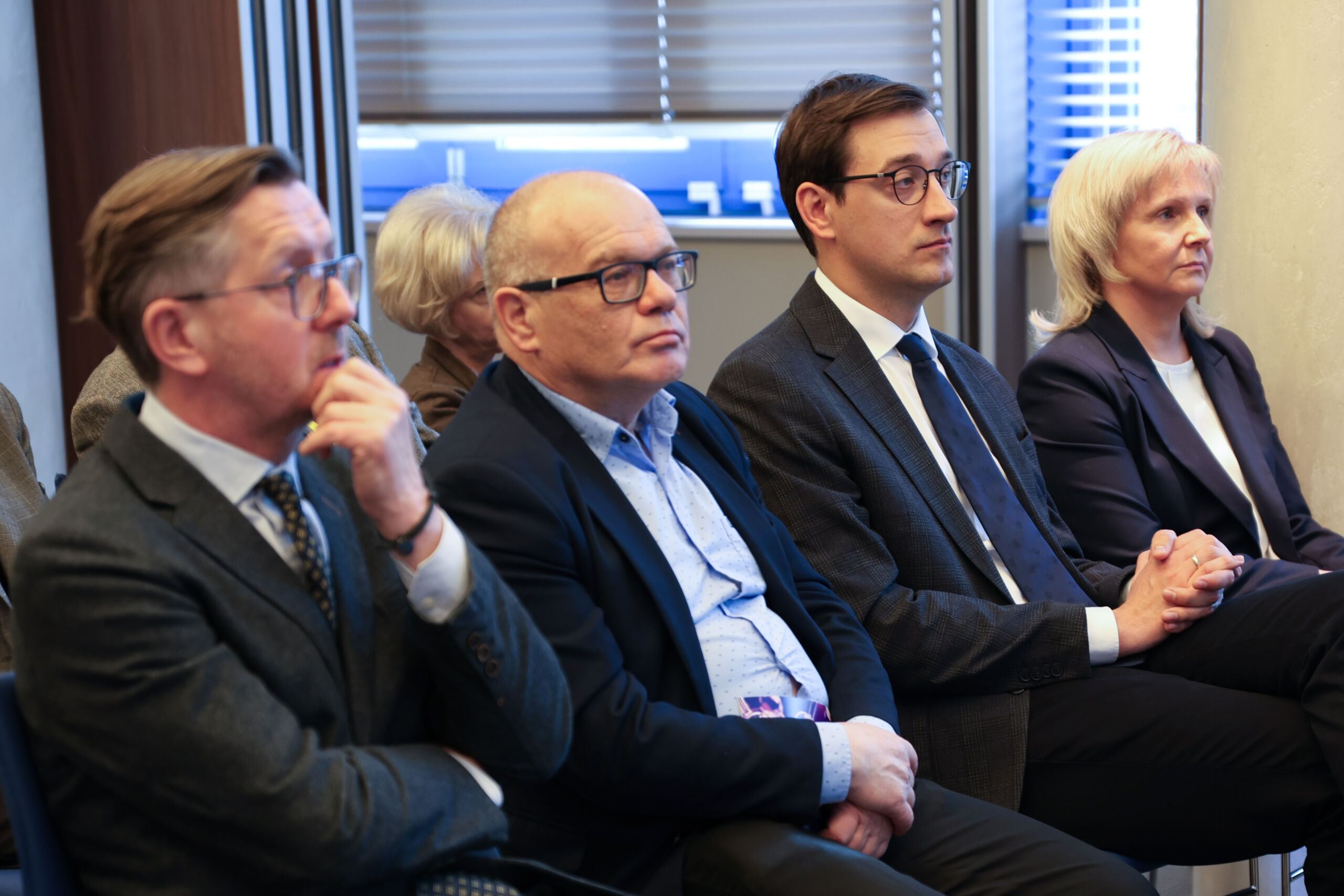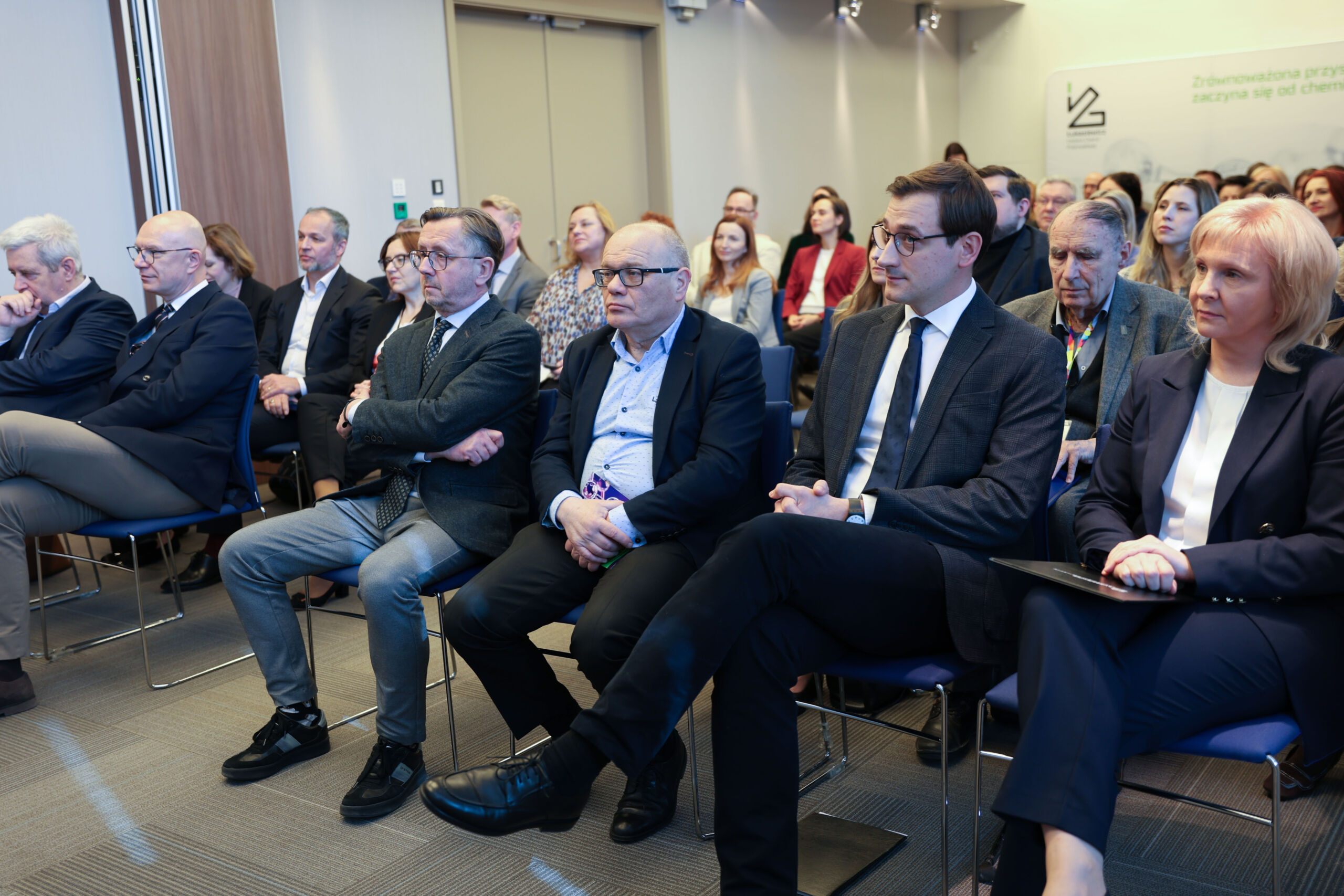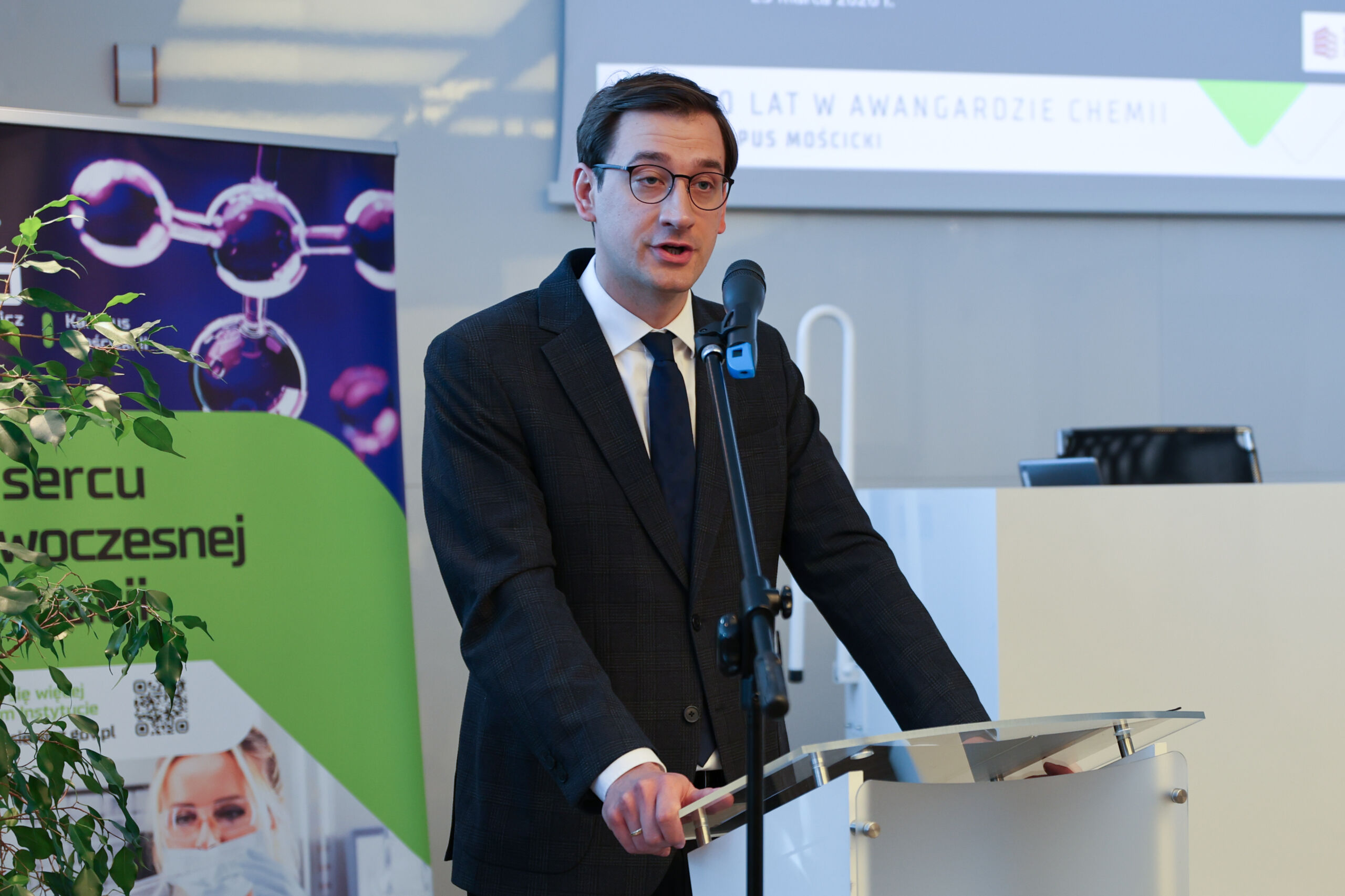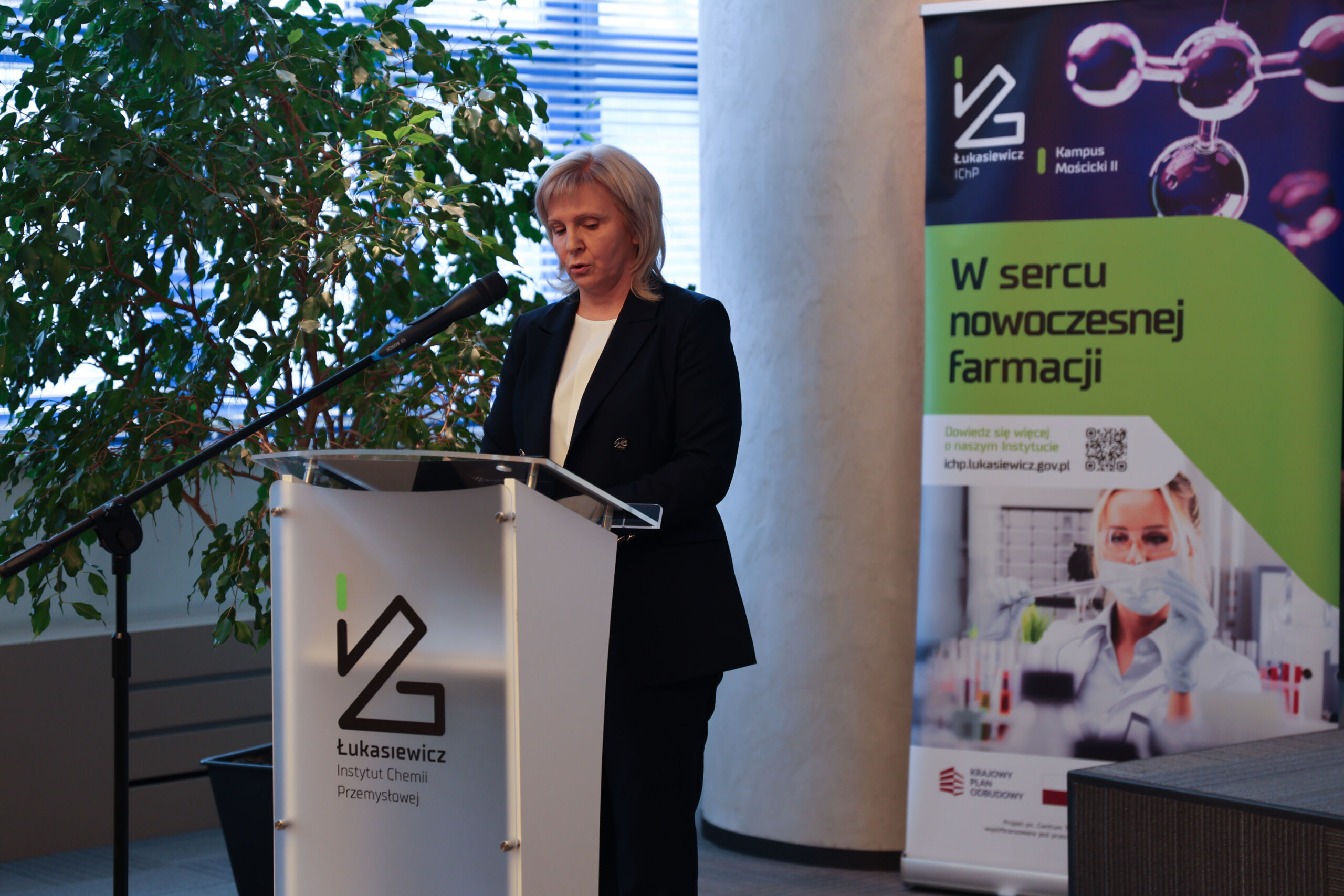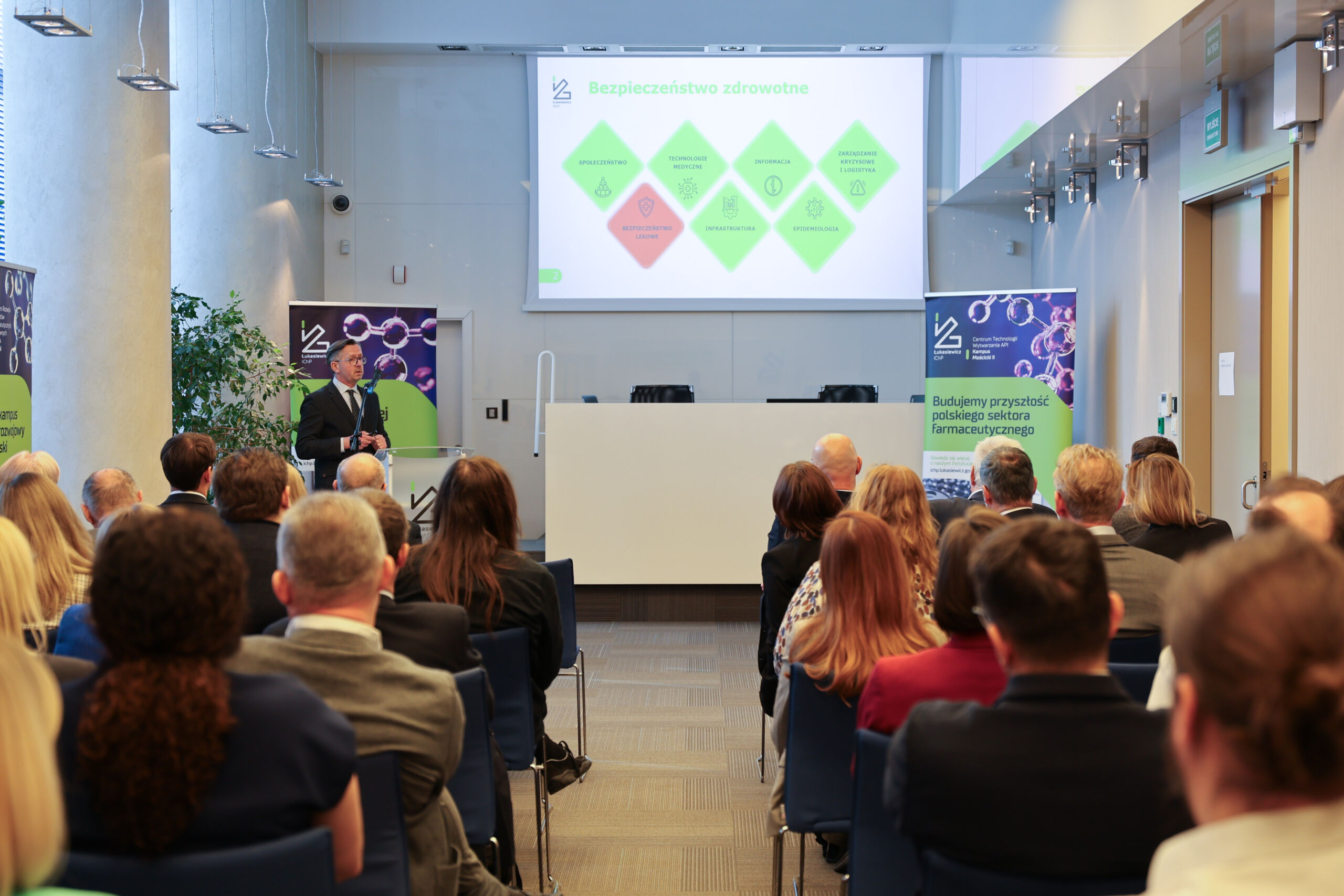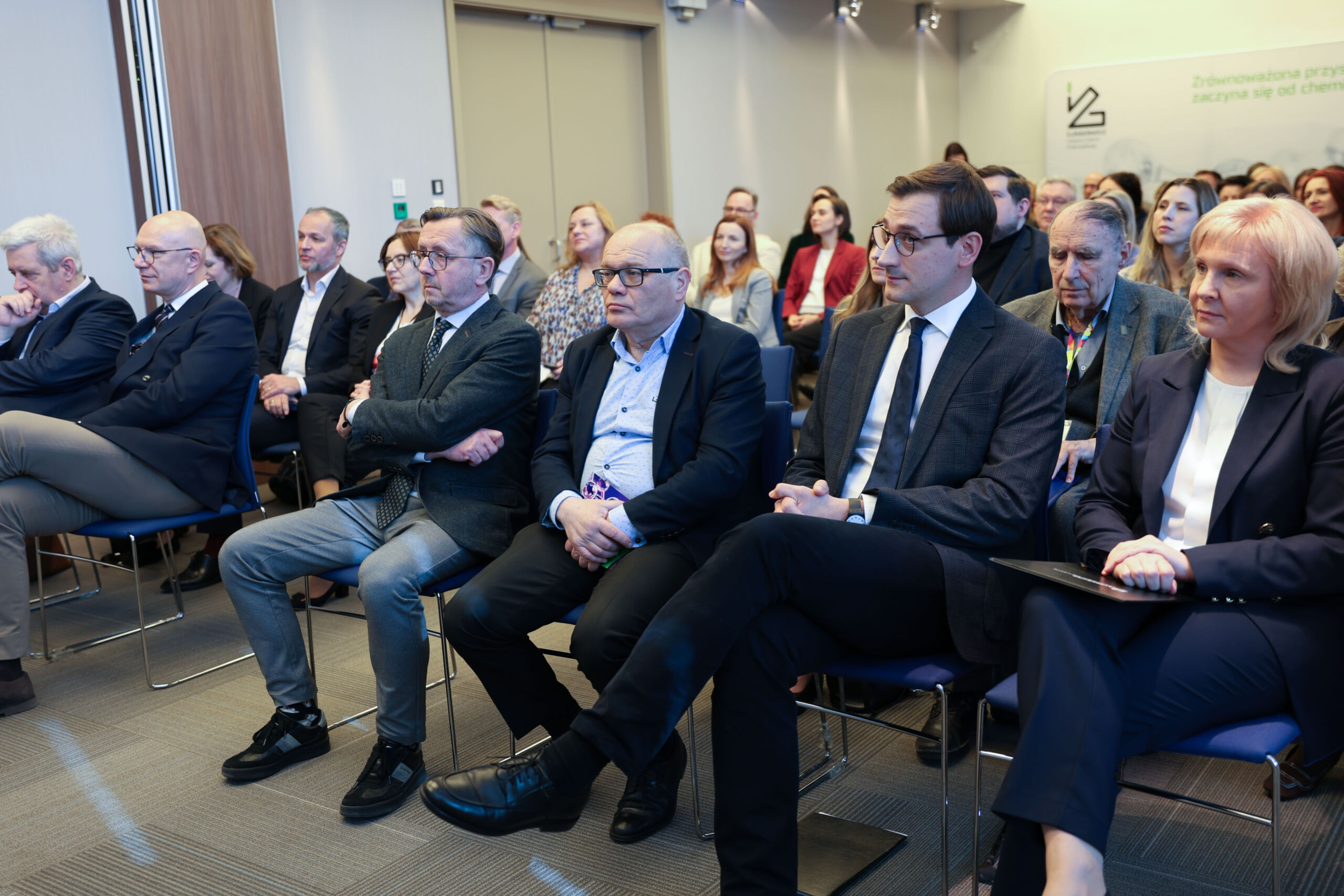
Łukasiewicz – Institute of Industrial Chemistry (Łukasiewicz – IChP) has inaugurated CeTeAPI, one of the few centres in Europe which combine research on active pharmaceutical ingredients with their manufacture in the GMP standard. The investment, funded by the National Recovery and Resilience Plan (KPO), answers the problem of Europe’s growing dependence on Asian medicine suppliers.
API Manufacturing Technology Centre (CeTeAPI) is a modern research and production centre where active pharmaceutical ingredients will be developed from the first laboratory synthesis through to a product ready for industrial implementation. It is located on the Mościcki Campus of Łukasiewicz – IChP.
CeTeAPI, together with the Centre for the Development of Pharmaceutical and Related Products (CeProFarm), which is being developed as part of the Mościcki Campus project, creates a coherent ecosystem: from the active ingredient to the finished medicinal product. The importance of the unit is emphasised by Dr Hubert Cichocki, President of the Łukasiewicz Research Network:
“Building technological sovereignty is now one of the most important tasks for the state. Łukasiewicz Research Network now gains a unit unique on a national scale. The Institute is becoming a bridge between science and actual pharmaceutical production. Poland needed a place like this.”
Europe without its own medicines
More than 60% of the active pharmaceutical ingredients used in European medicine production come from Asia, mainly China and India. In 2000, Europe accounted for 42% of global API production; today, it accounts for less than 10%. The COVID-19 pandemic, the war in Ukraine and geopolitical tensions have shown that Europe’s healthcare system is powerless without its own sources of active pharmaceutical ingredients.
In March 2025, the European Commission proposed the Critical Medicines Act, a regulation intended to rebuild Europe’s pharmaceutical production capacity. CeTeAPI fits directly into this direction.
Poland: many medicine factories, too few sources of API
Poland has numerous manufacturers of finished dosage forms, but dramatically few producers of active pharmaceutical ingredients, meaning companies capable of synthesising APIs from scratch. Only 33 companies in Poland manufacture APIs, compared with 180 in Italy and 147 in France. From the emerging list of critical medicines, Poland has manufacturing capacity for only 19 substances.
Although Łukasiewicz – Institute of Industrial Chemistry is a research unit, it is among the largest API producers in Poland. In the case of some substances, it operates within a very narrow group of global suppliers.
“In some cases, we are among the very top producers. There are situations where only two or three manufacturers of a given substance exist worldwide,” notes Wojciech Maszewski, Director of the Department of Pharmaceutical Products at Łukasiewicz – IChP.
A laboratory and a factory under one roof
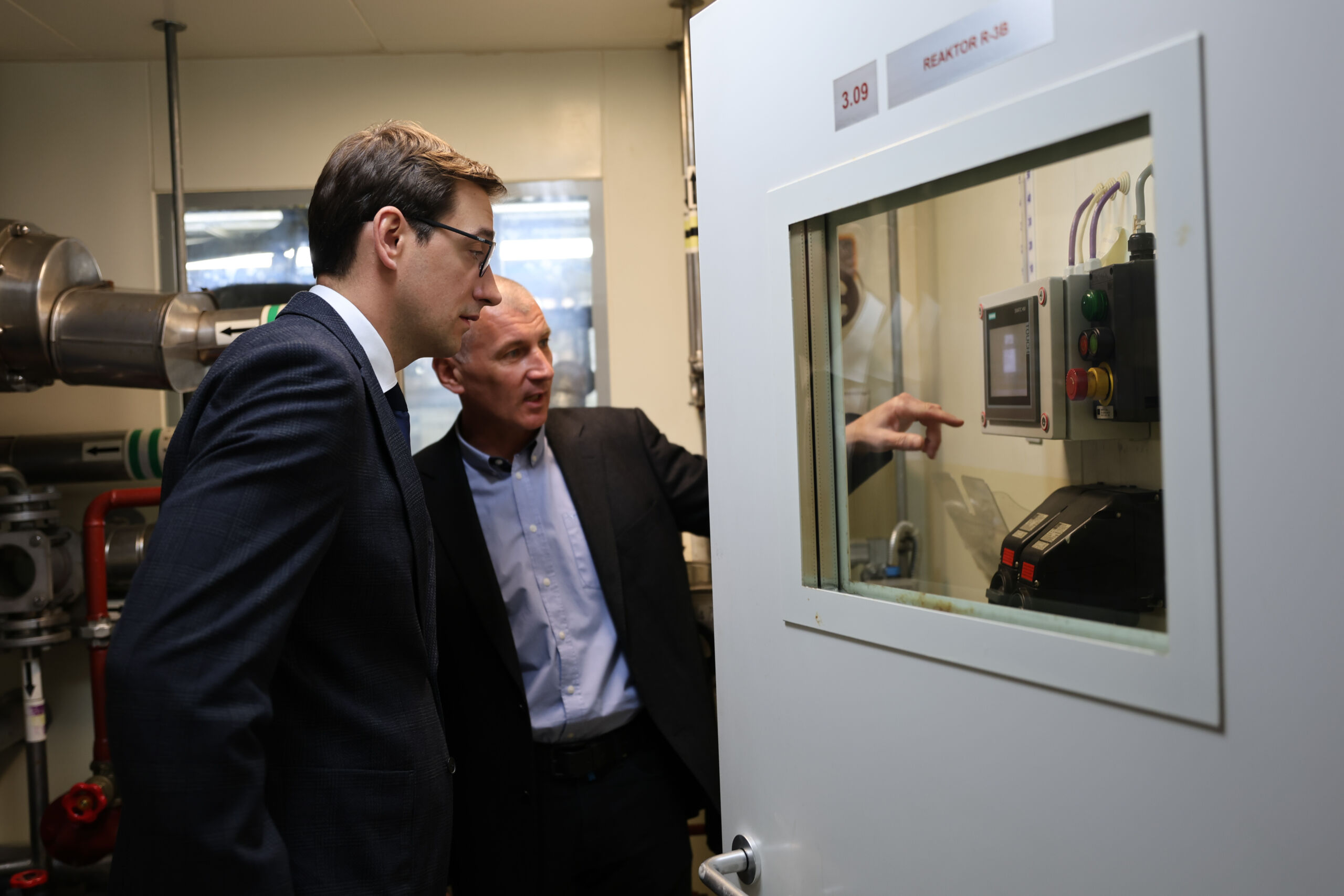
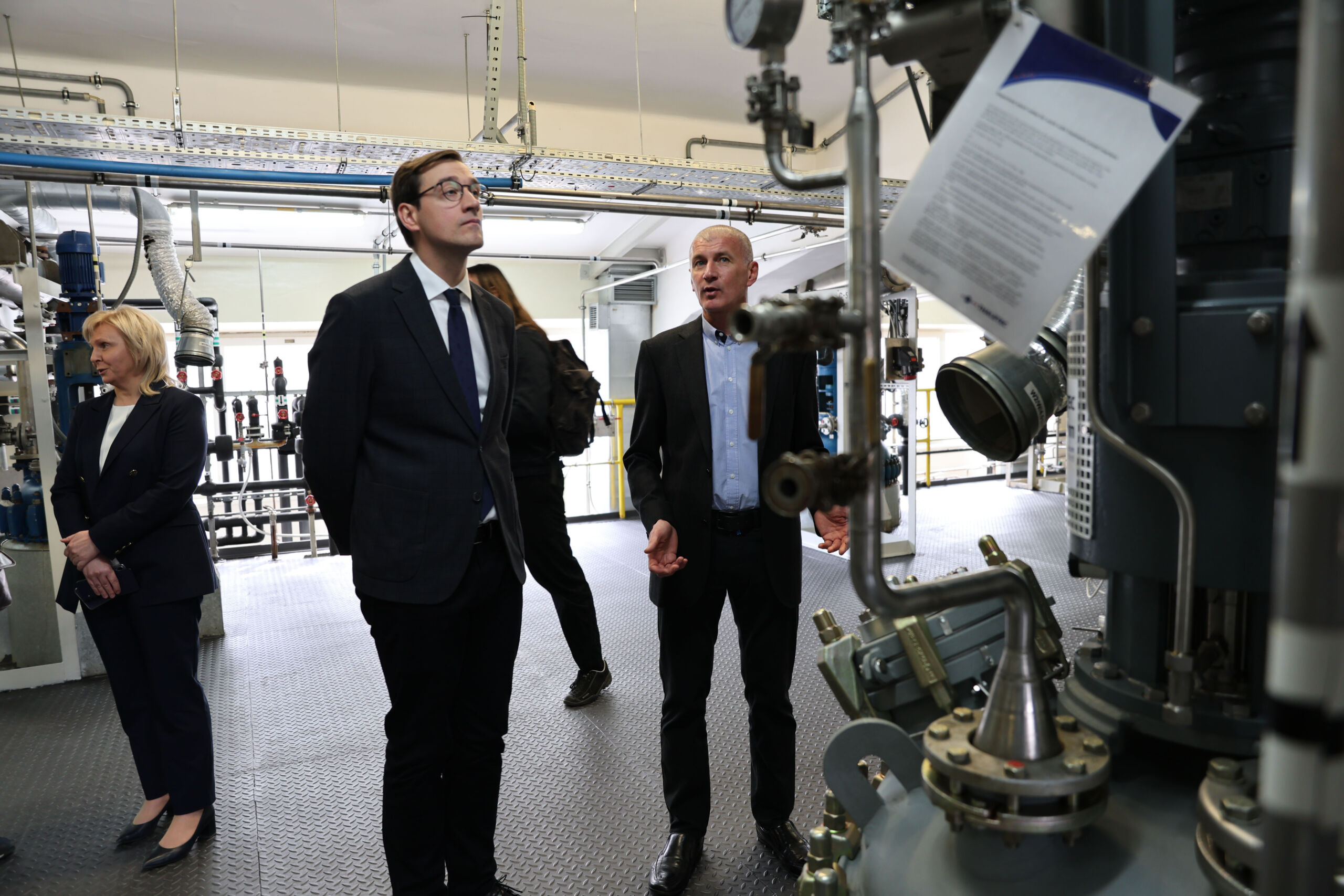
At CeTeAPI modern research workstations are directly linked with pharmaceutical manufacturing in the GMP standard, which ensures the high quality and safety of pharmaceutical products. In practice, this means that an active pharmaceutical ingredient can go through the full development pathway in one place: from laboratory synthesis, through scale-up on a pilot installation, to the finished product.
CeTeAPI will allow us to carry out processes on a pilot scale without leaving the Institute, validate technologies under auditable conditions, transfer them more efficiently into routine manufacturing and, very importantly, increase the availability of our facilities for external industrial partners. For patients, the effect is simple: medicines which might otherwise be unavailable or imported from Asia can be produced locally, predictably and with repeatable quality.
The investment is funded through the National Recovery and Resilience Plan, used for the refurbishment of production space and the provision of additional research equipment. CeTeAPI will operate in two models: developing its own portfolio of active substances critical to pharmaceutical security, and contract development of API technologies commissioned by medical companies.
“We are shortening the distance between the research stage and the production stage. Development work does not end with a report; it is prepared to move into process, validation and manufacturing,” says Wojciech Maszewski.
110 years — and a new chapter
The opening of CeTeAPI coincides with the 110th anniversary of Łukasiewicz – Institute of Industrial Chemistry, founded in 1916 in Lviv, then Lwów, as the METAN company by Professor Ignacy Mościcki. For more than a century, the Institute has responded to successive needs of the state: from industrial chemistry in the interwar period, through antibiotic production in the 1960s, the proprietary anti-leukaemia drug Biodribin in the 1990s, to GENSULIN, the first Polish insulin produced using genetic engineering.
“Mościcki understood one thing that remains relevant today: science makes sense when it changes reality. The Mościcki Campus is the implementation of that philosophy in the 21st century,” says Dr Ewa Śmigiera, Director of Łukasiewicz – Institute of Industrial Chemistry.
Łukasiewicz – Institute of Industrial Chemistry in Warsaw has been part of the Łukasiewicz Research Network for seven years.